Best for mapping and navigation
Garmin fenix 8 Pro
5.0 attribute score
Highest scored product for this attribute based on supporting review evidence.

Highest scored product for this attribute based on supporting review evidence.
Balances the attribute score, supporting reviews, and overall product strength.
Has the broadest review evidence for this attribute.
Strongest overall product among items with scored evidence for this attribute.
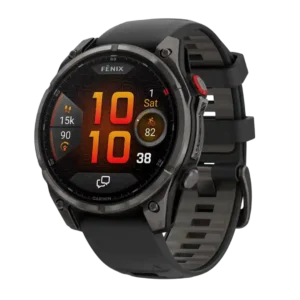
Mapping and navigation were repeatedly described as among Garmin’s best strengths, with strong maps, routing, and navigation tools.
Pros: LTE connectivity, battery life
Cons: value for money, safety features
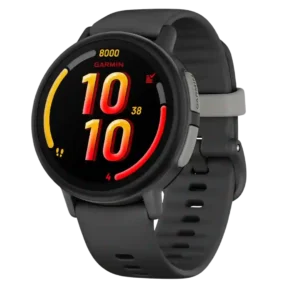
LiveTrack can show both a child’s current position and route in real time, which is extremely helpful once the connection activates.
Pros: smartwatch features, safety features
Cons: value for money, call handling

Mapping and navigation were praised in both scored reviews, especially for wrist-based maps, route display, and Google Maps usefulness.
Pros: software smoothness, comfort
Cons: battery life, GPS accuracy
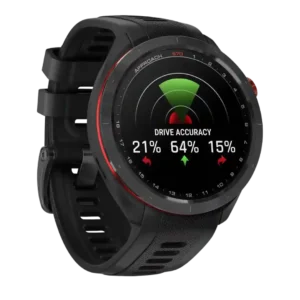
Mapping and navigation are major strengths, with detailed hole maps, PinPointer, dispersion views, and wrist-based planning repeatedly praised.
Pros: display quality, value for money
Cons: charging convenience, smartphone notifications
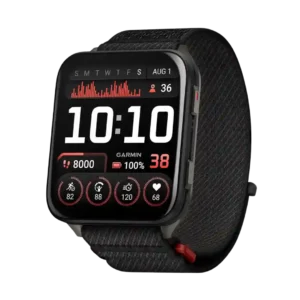
Mapping and navigation were a major strength, with reviewers praising full-color maps, route guidance, golf maps, and the larger square display.
Pros: display quality, comfort
Cons: battery life, value for money
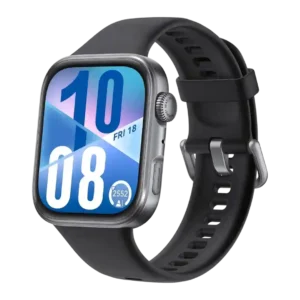
Mapping and navigation were standout features for the price, especially offline maps, route-back support, and wrist-based map screens.
Pros: value for money, battery life
Cons: companion app quality, contactless payments
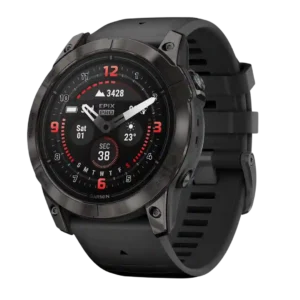
Mapping and navigation are standout strengths, with detailed maps, GPX loading, routing, and on-watch navigation repeatedly praised.
Pros: battery life, GPS accuracy
Cons: user interface, fit

Navigation support is strong when paired with iPhone or third-party apps, with wrist directions and run maps praised as useful.
Pros: battery life, value for money
Cons: coaching features, recovery insights

Offline mapping is one of the strongest reasons to buy the Nomad, with fast rendering, useful street and trail detail, and easy zooming. Navigation is less complete than Garmin’s deepest...
Pros: mapping and navigation, value for money
Cons: smartwatch features, contactless payments
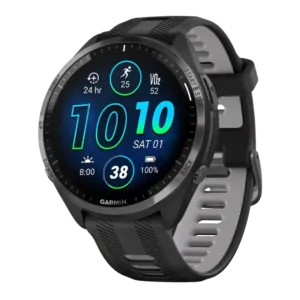
Mapping and navigation were major strengths, with detailed AMOLED maps, turn prompts, trail help, and strong route-following support.
Pros: battery life, GPS accuracy
Cons: smartwatch features, charging convenience
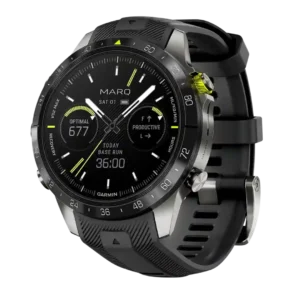
Mapping and navigation were major strengths, with praise for TOPO maps, golf maps, turn-by-turn guidance, and route handling.
Pros: display quality, battery life
Cons: value for money, smartphone notifications
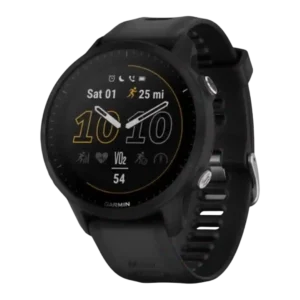
Mapping and navigation were repeatedly praised for clear maps, turn-by-turn directions, route planning, and trail usefulness.
Pros: GPS accuracy, battery life
Cons: onboard music storage, charging convenience
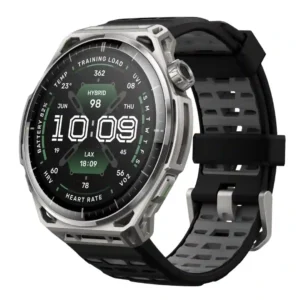
Offline maps, route creation, POI search, turn-by-turn guidance, and automatic rerouting form a genuinely strong navigation package. The large display makes routes usable, though one first-look reviewer still found phone...
Pros: battery life, brightness
Cons: fit, third-party app support
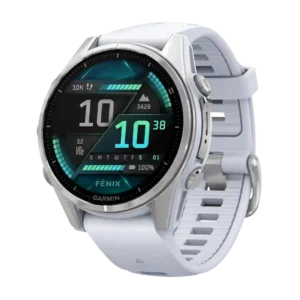
Mapping and navigation were strongly praised overall for topo maps, routing, rerouting, on-watch navigation, and backcountry usefulness despite some lag.
Pros: battery life, GPS accuracy
Cons: value for money, call handling
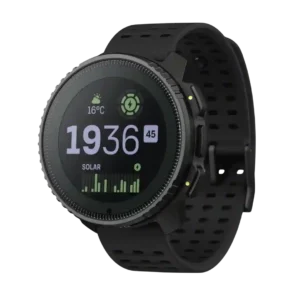
Mapping and navigation were a core strength, praised for offline maps, app route planning, trail use, and real-world navigation.
Pros: battery life, GPS accuracy
Cons: heart rate accuracy, value for money

Mapping and navigation were praised for walking directions, Google Maps usefulness, and richer workout maps.
Pros: battery life, button controls
Cons: size options, ECG functionality

Mapping and navigation feedback was positive, with reviewers appreciating the on-watch GPS display and turn-by-turn directions.
Pros: battery life, display quality
Cons: voice assistant quality, sleep tracking accuracy
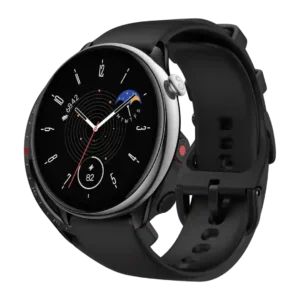
Mapping and navigation had limited but positive evidence, with one reviewer showing the watch could map a run without carrying a phone.
Pros: battery life, workout tracking variety
Cons: call handling, smartphone notifications
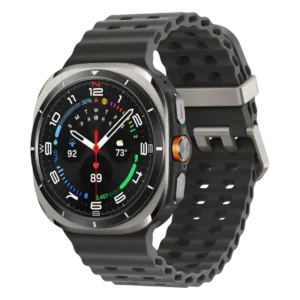
Mapping and navigation benefit from larger storage for offline maps and route-related use, especially for outdoor users.
Pros: battery life, display quality
Cons: value for money, antioxidant index
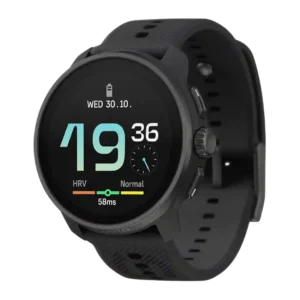
Mapping and navigation are standout strengths, with repeated praise for offline maps, route planning, responsiveness, and trail usefulness, despite setup and routability limits.
Pros: value for money, battery life
Cons: heart rate accuracy, onboard music storage
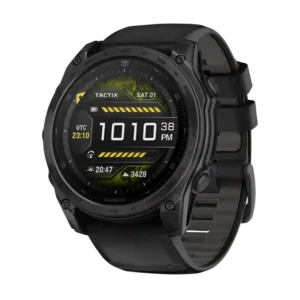
Mapping and navigation were praised for precise routes, excellent navigation, and useful map experiences, but one hunter said it cannot replace onXhunt.
Pros: battery life, durability
Cons: value for money, band quality
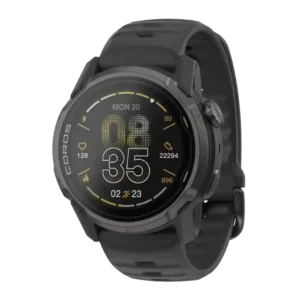
Mapping and navigation are major strengths thanks to fast rendering, richer labels, and useful routing alerts, though one reviewer found navigation-related GPS problems.
Pros: GPS accuracy, battery life
Cons: display quality, brightness
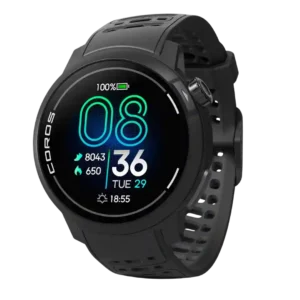
Mapping and navigation were major strengths thanks to bright offline topo maps, easy route following, and quick map rendering, though reviewers noted missing routable maps, labels, and some workflow polish.
Pros: battery life, GPS accuracy
Cons: heart rate accuracy, smartwatch features
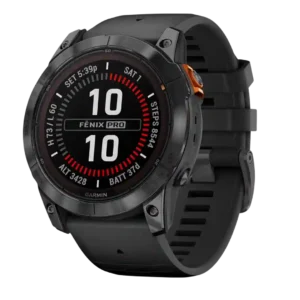
Mapping and navigation were widely praised as class-leading, but reviewers also noted screen size, weather-overlay placement and phone-map comparisons as limitations.
Pros: battery life, mapping and navigation
Cons: value for money, score tracking
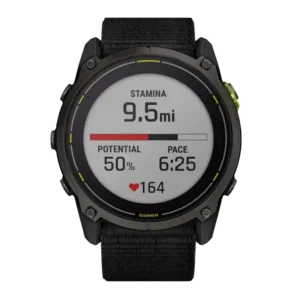
Mapping and navigation were a major strength, especially route following, off-course alerts, ClimbPro, and backcountry use, though some UI flow remains clunky.
Pros: battery life, value for money
Cons: smartwatch features, size options
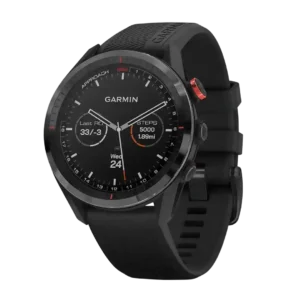
Mapping and navigation were major strengths, especially hazard views, hole maps, PinPointer, layup targeting, and on-watch course planning.
Pros: mapping and navigation, value for money
Cons: coaching features, smartphone notifications
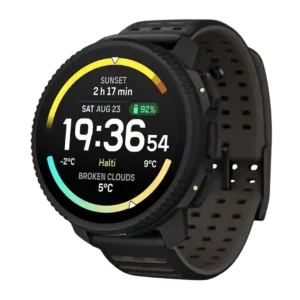
Mapping and navigation were usually praised for clear, useful offline maps and route guidance, but reviewers noted setup friction, manual toggles, route limits, or Garmin’s easier experience.
Pros: battery life, flashlight usefulness
Cons: companion app quality, onboard music storage

Mapping and navigation are highly valued for offline routes, POIs, and phone-free use, but reviewers also note slow downloads and feature differences versus pricier T-Rex models.
Pros: value for money, battery life
Cons: heart rate accuracy, third-party app support
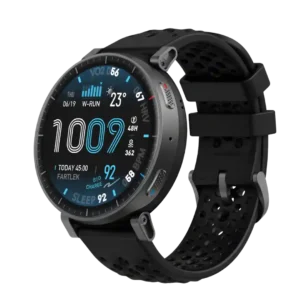
Mapping and navigation were a standout for the price, especially offline maps, but reviewers noted limits such as basic detail, preloaded routes, or weaker implementation than Garmin.
Pros: battery life, value for money
Cons: companion app quality, heart rate accuracy
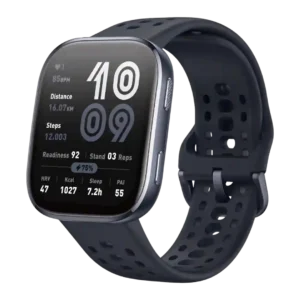
Offline maps and navigation were a standout for the price, though reviewers noted setup, storage, and refinement limitations.
Pros: value for money, battery life
Cons: voice assistant quality, sleep tracking accuracy
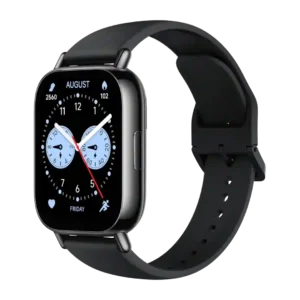
Mapping and navigation were helpful for route and workout review, but one reviewer framed it more as general route guidance than precise navigation.
Pros: display quality, battery life
Cons: sleep tracking accuracy, voice assistant quality
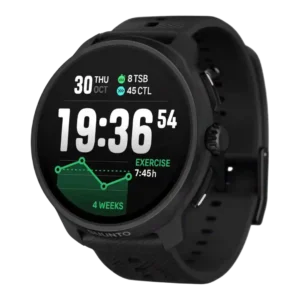
Mapping and navigation were a major strength once maps were loaded, but reviewers also noted non-routable maps, slow downloads, and missing labels or POIs.
Pros: GPS accuracy, heart rate accuracy
Cons: smartwatch features, recovery insights
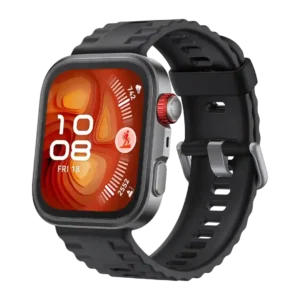
Mapping and navigation were strong for workouts, golf, offline maps and route-back features, but limited outside workout contexts.
Pros: battery life, value for money
Cons: contactless payments, sleep tracking accuracy
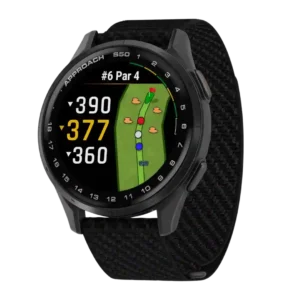
Mapping and navigation helped golfers make better decisions, but reviewers repeatedly noted that richer maps, green details, and touch targeting were better on the S70 or behind a subscription.
Pros: value for money, comfort
Cons: fit, band quality
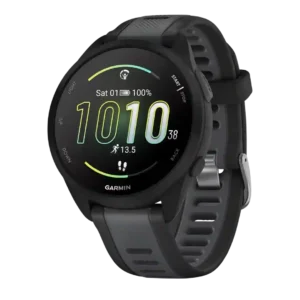
Mapping and navigation were useful for breadcrumb routes and GPX/course following, but the lack of full maps was a repeated limitation.
Pros: value for money, GPS accuracy
Cons: recovery insights, onboard music storage
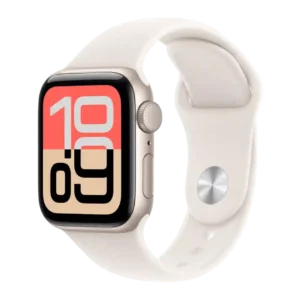
Navigation evidence was limited but positive, with offline Apple Maps presented as helpful when away from the phone.
Pros: display quality, value for money
Cons: ECG functionality, battery life
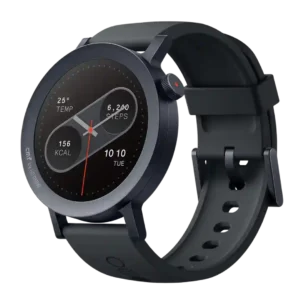
Mapping evidence was limited but positive, with one reviewer noting improved, coherent GPS route displays after workouts.
Pros: value for money, battery life
Cons: GPS accuracy, sleep tracking accuracy
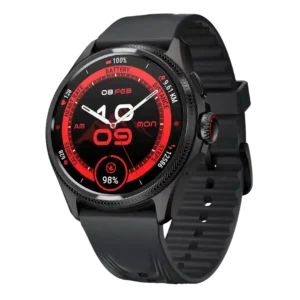
Navigation support was useful, especially Google Maps and crown-based zooming, though it was not treated as a headline feature.
Pros: battery life, value for money
Cons: operating system experience, voice assistant quality
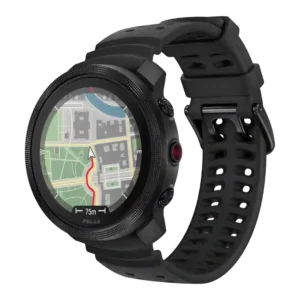
Mapping and navigation are strong for the price, with offline maps widely praised, though Garmin still leads detail and Polar has workflow/compass friction.
Pros: value for money, GPS accuracy
Cons: heart rate accuracy, companion app quality
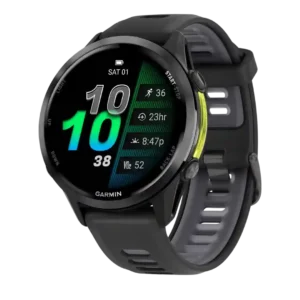
Mapping and navigation were powerful and detailed, but reviewer sentiment was split by laggy map rendering and failed round-trip rerouting in some tests.
Pros: heart rate accuracy, GPS accuracy
Cons: battery life, value for money
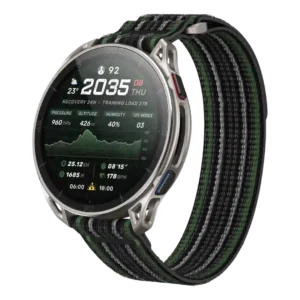
Mapping and navigation are powerful and fast overall, but visual rerouting and return routing remain important weaknesses.
Pros: battery life, value for money
Cons: reliability
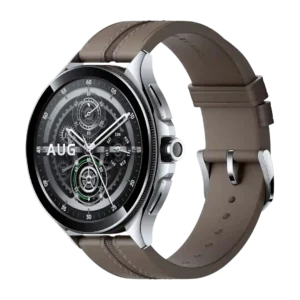
Mapping and navigation were good for Google Maps and turn-by-turn use, but weak for sports users who wanted route loading during training.
Pros: app ecosystem, battery life
Cons: size options, comfort

GPX routes, turn-by-turn guidance, off-route warnings and Google Maps make navigation genuinely useful for hikes and runs. Route loading, missing map labels, limited rerouting and the lack of a full...
Pros: battery life, comfort
Cons: value for money, charging speed
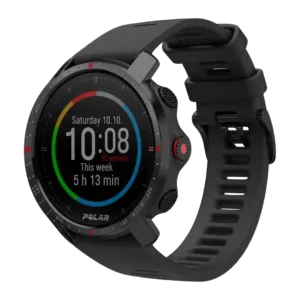
Mapping and navigation were useful but imperfect: reviewers liked routing, elevation profiles, backtrack, and turn prompts, while noting no full maps and clunky setup.
Pros: battery life, mapping and navigation
Cons: onboard music storage, value for money
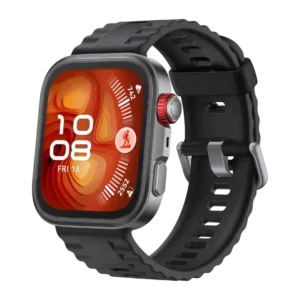
Mapping and navigation were polarizing: golf and offline maps were praised, but reviewers complained about lag, non-routable maps, or awkward route creation.
Pros: battery life, value for money
Cons: third-party app support, onboard music storage
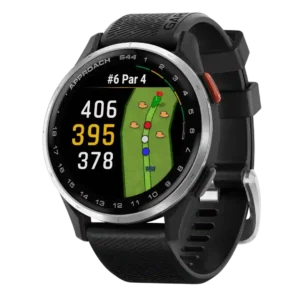
Mapping and navigation were useful but divisive: reviewers liked clearer maps, layup data, PinPointer, and strategic shot planning, while criticizing paywalled details and S70-level map gaps.
Pros: display quality, value for money
Cons: smartwatch features, coaching features
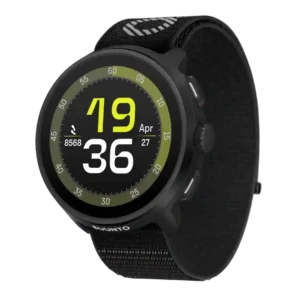
Mapping and navigation were useful for breadcrumb routes and staying on track, but reviewers consistently noted the absence of full offline maps as the main limitation.
Pros: GPS accuracy, battery life
Cons: onboard music storage, charging convenience

Mapping and navigation were useful, especially offline Google Maps and wrist guidance, but reviewers criticized the lack of integrated workout navigation and weaker responsiveness than Apple.
Pros: battery life, display quality
Cons: GPS accuracy, charging convenience
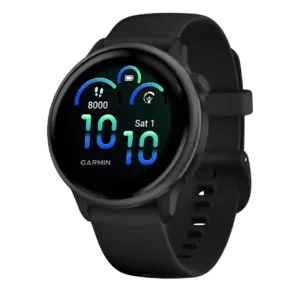
Mapping and navigation are useful for breadcrumb routes and course following, but reviewers warn that there are no full maps and trail navigation remains limited.
Pros: battery life, comfort
Cons: heart rate accuracy, sleep tracking accuracy
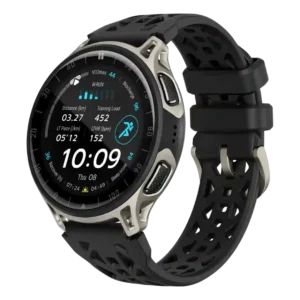
Mapping and navigation were useful and feature-rich, but map smoothness, readability, rerouting and polish were repeated limitations.
Pros: GPS accuracy, battery life
Cons: band quality, smartwatch features