Best for health tracking accuracy
Garmin Lily 2 Active
5.0 attribute score
Highest scored product for this attribute based on supporting review evidence.

Highest scored product for this attribute based on supporting review evidence.
Balances the attribute score, supporting reviews, and overall product strength.
Has the broadest review evidence for this attribute.
Strongest overall product among items with scored evidence for this attribute.

One review gives the broader health-tracking package a very strong assessment, describing fitness tracking as excellent within Garmin’s health ecosystem.
Pros: battery life, GPS accuracy
Cons: onboard music storage, mapping and navigation
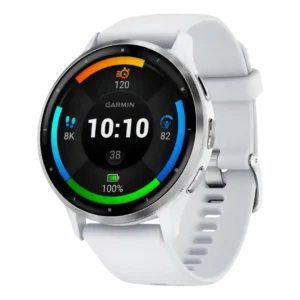
Review evidence supports strong overall health tracking, with one reviewer calling the health tracking precise and comprehensive.
Pros: battery life, GPS accuracy
Cons: smartwatch features, smartphone notifications
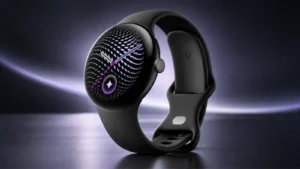
Overall health tracking is strong, with one scientific-style test calling the watch highly reliable across daily health, sleep and fitness use.
Pros: software smoothness, style and design
Cons: value for money, wellness insights
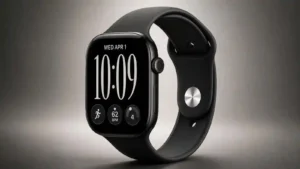
Health tracking is one of the Series 12’s clearest strengths. More frequent sensing and better presentation make day-to-day health data feel substantially more useful.
Pros: value for money, heart rate accuracy
Cons: data privacy
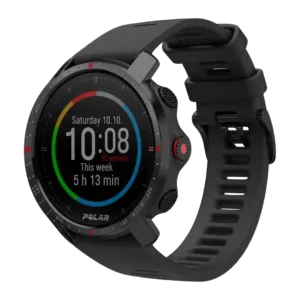
Reviewers who discussed HRV and broader health data found the Grit X Pro unusually accurate and useful, especially for recovery-oriented health tracking.
Pros: battery life, mapping and navigation
Cons: onboard music storage, value for money
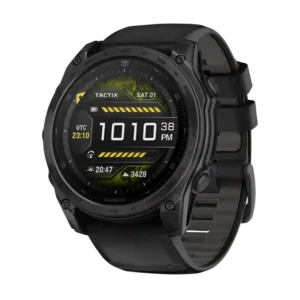
One experienced Tactix-series user judged the newer sensor package as noticeably more accurate for overall health tracking than the prior model.
Pros: battery life, durability
Cons: value for money, band quality
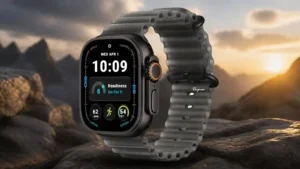
The new sensing system is broadly regarded as a meaningful health upgrade, delivering denser measurements and more useful longitudinal data. Accuracy is generally praised, though not every metric has independent...
Pros: battery life, value for money
Cons: data privacy, comfort
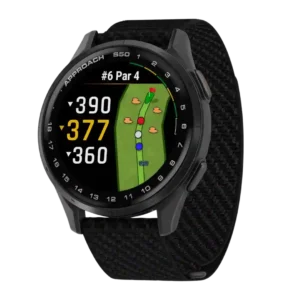
Health tracking accuracy was supported by the Body Battery feedback, which one reviewer said closely matched how they felt during the day.
Pros: value for money, comfort
Cons: fit, band quality
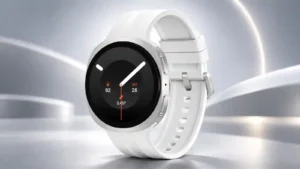
Core health measurements compare well with reference devices in several tests. Body-composition and broader health readings are useful for trends, though they should not be treated as medical-grade conclusions.
Pros: software smoothness, wellness insights
Cons: battery life, charging speed
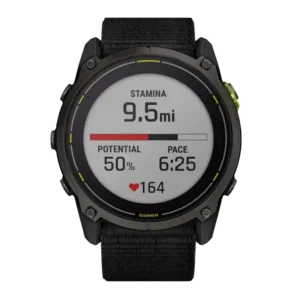
Reviewers found the Enduro 3’s health metrics credible and useful, with one noting it flagged underlying illness signs before the reviewer noticed them.
Pros: battery life, value for money
Cons: smartwatch features, size options
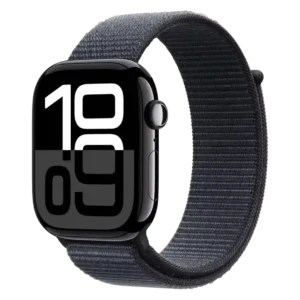
One review characterized the broader health and fitness tracking as strong, with the Series 10 continuing to perform well as a health-focused watch.
Pros: charging speed, display quality
Cons: battery life, water resistance
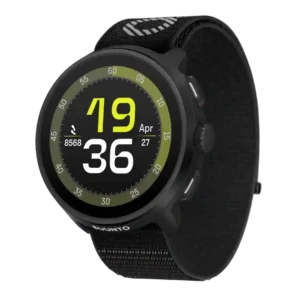
One reviewer found overall activity, step, and sleep tracking to work very well, but this broader accuracy attribute is supported by limited evidence.
Pros: GPS accuracy, battery life
Cons: onboard music storage, charging convenience
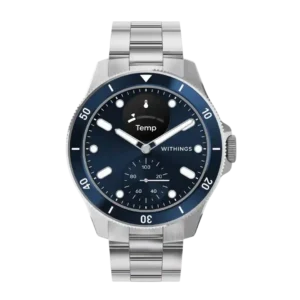
Health tracking accuracy was one of the most praised areas, with reviewers describing accurate sensors, useful health data, and results comparable to other devices.
Pros: battery life, style and design
Cons: value for money, charging convenience
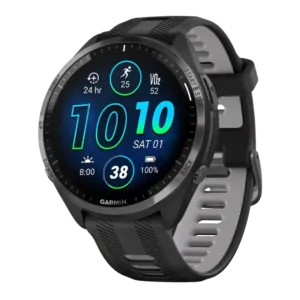
Health tracking was praised for the breadth and quality of Garmin’s metrics, especially for active users.
Pros: battery life, GPS accuracy
Cons: smartwatch features, charging convenience
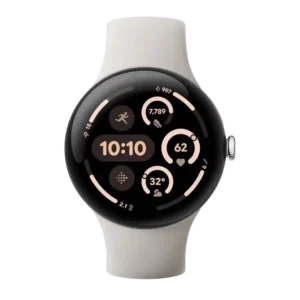
Reviewers found the health suite broadly accurate and useful, with Fitbit-backed data often matching rival wearables; the strongest praise centered on heart-rate, sleep, and holistic health dashboards.
Pros: battery life, display quality
Cons: GPS accuracy, charging convenience
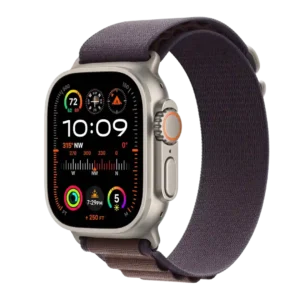
Reviewers found the Ultra 2’s health tracking credible for sleep-related disturbances and general health metrics, with heart-rate-linked data repeatedly described as accurate.
Pros: battery life, voice assistant quality
Cons: value for money, mapping and navigation
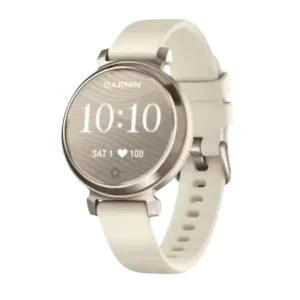
General health tracking is praised as reliable across basics such as sleep, steps, heart rate, calories, SpO2, and wellness metrics.
Pros: battery life, style and design
Cons: sleep tracking accuracy, workout tracking variety
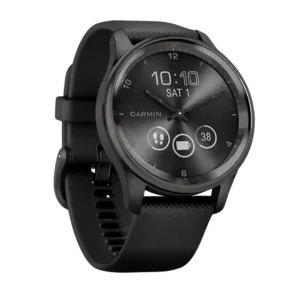
Reviewers who addressed broad health tracking were positive overall, describing everyday health tracking as better than its workout flaws and one reviewer comparing it favorably with Apple and Samsung watches.
Pros: style and design, charging convenience
Cons: battery life, charging speed
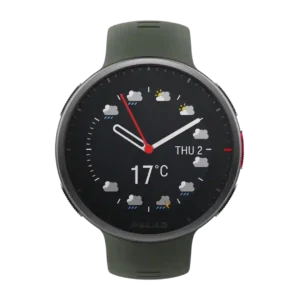
Reviewers who discussed overall health/wellness monitoring saw the V2 as reliable and top-notch, especially when paired with sleep and recovery data.
Pros: recovery insights, heart rate accuracy
Cons: mapping and navigation, value for money
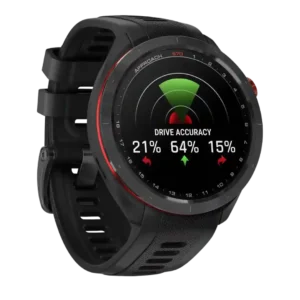
Review evidence supports Garmin-level sensor confidence overall, with health tracking described as accurate for a high-end Garmin watch.
Pros: display quality, value for money
Cons: charging convenience, smartphone notifications
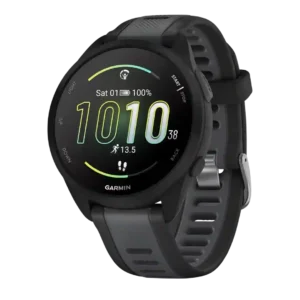
Reviewers described the Forerunner 165 as having reliable sensors and detailed data collection for general health and fitness tracking.
Pros: value for money, GPS accuracy
Cons: recovery insights, onboard music storage

Heart-rate and walking data align well with comparison devices in controlled tests. The overall health picture is dependable for everyday fitness use.
Pros: battery life, value for money
Cons: mapping and navigation, smartwatch features
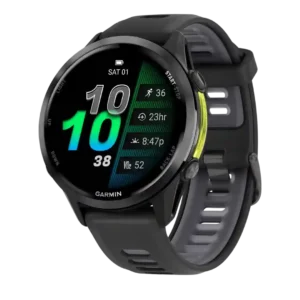
Health tracking evidence was limited but positive, with one reviewer saying the watch accurately reflected stress, temperature, heart-rate changes, and period timing.
Pros: heart rate accuracy, GPS accuracy
Cons: battery life, value for money
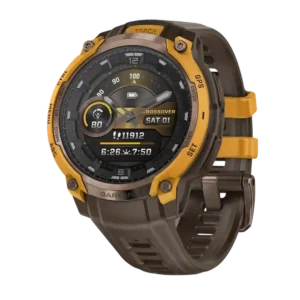
Health tracking was viewed positively where Body Battery matched how the reviewer actually felt.
Pros: style and design, flashlight usefulness
Cons: value for money, mapping and navigation
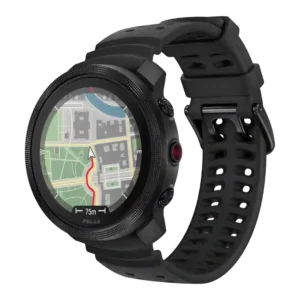
Review evidence is positive but limited; one reviewer says the watch excels at health tracking.
Pros: value for money, GPS accuracy
Cons: heart rate accuracy, companion app quality
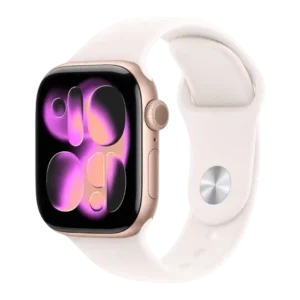
Reviewers describe the health suite as broad, reliable, and health-focused, with comprehensive sensors and useful monitoring; no reviewer found the core health tracking weak.
Pros: battery life, value for money
Cons: coaching features, recovery insights
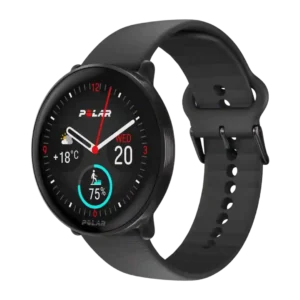
Reviewers who judged overall health tracking were positive, grouping heart rate, sleep, steps, location, and wellness insight as accurate enough to trust.
Pros: display quality, coaching features
Cons: value for money, battery life
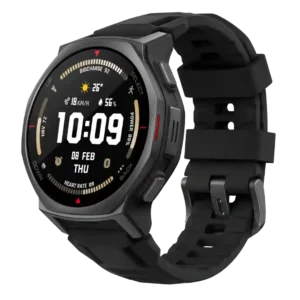
Health tracking accuracy is generally positive in the evidence, with reviewers reporting close alignment with chest straps, comparison watches, Oura data or HRV expectations.
Pros: battery life, value for money
Cons: mapping and navigation, user interface
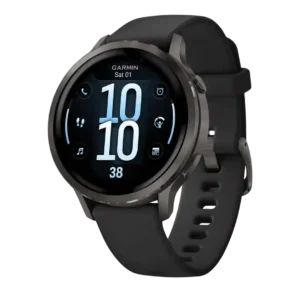
Reviewers generally trusted the Venu 4's broader health signals, especially Health Status and HRV-style trend alerts, while treating them as wellness guidance rather than medical proof.
Pros: battery life, GPS accuracy
Cons: value for money, voice assistant quality
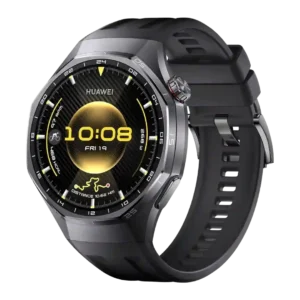
Reviewers generally found the health suite broad and accurate, though one early CNET impression had not tested it yet.
Pros: battery life, GPS accuracy
Cons: contactless payments, app ecosystem
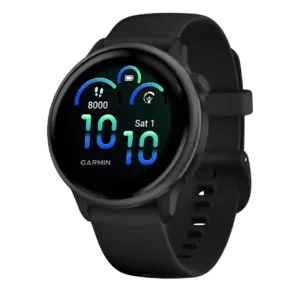
Reviewers found core health metrics broadly accurate when compared with other trackers, with one review describing the health suite as impressively accurate overall.
Pros: battery life, comfort
Cons: heart rate accuracy, sleep tracking accuracy
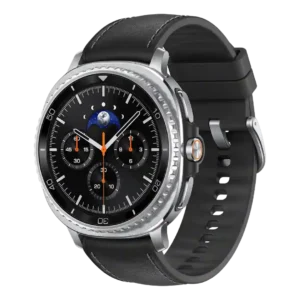
Reviewers generally found health tracking solid, with strong Samsung Health breadth and close-enough or very accurate results, though not every metric was treated as medical-grade.
Pros: comfort, voice assistant quality
Cons: battery life, antioxidant index
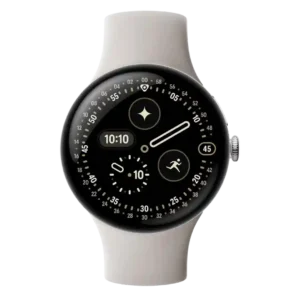
General health tracking was usually described as accurate, comprehensive, or aligned with comparison wearables.
Pros: battery life, charging speed
Cons: band quality, button controls
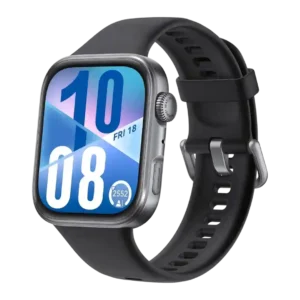
Health tracking accuracy was broadly positive for everyday use, especially heart-rate and sensor reliability, while still framed as non-medical.
Pros: value for money, battery life
Cons: companion app quality, contactless payments
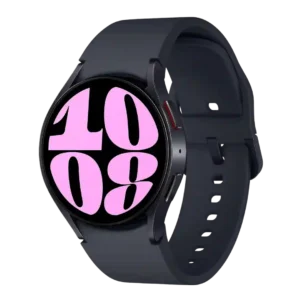
Health tracking accuracy was generally useful for body composition and overall health insights, but reviewers also noted awkward measurements and technology limits.
Pros: software smoothness, comfort
Cons: battery life, GPS accuracy
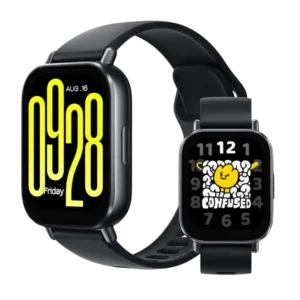
Reviewers generally found health tracking surprisingly capable for the price, with good sensors and benchmark-like readings, though the praise stayed focused on basics.
Pros: call handling, smartwatch features
Cons: display quality, value for money
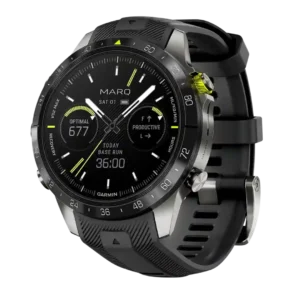
Reviewers saw broad health metrics as generally realistic when compared with daily reality, though detailed evidence appeared in only one review.
Pros: display quality, battery life
Cons: value for money, smartphone notifications
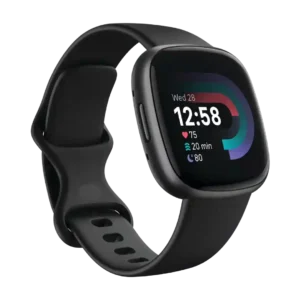
Reviewers who discussed broad health accuracy were mostly positive, saying health metrics felt solid or convincing, though this was distinct from specific workout heart-rate issues.
Pros: battery life, GPS accuracy
Cons: value for money, heart rate accuracy
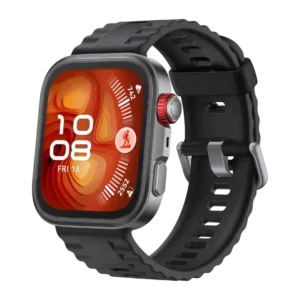
Health tracking accuracy was generally positive, with reviewers saying health metrics were effective, admirable, or impressively accurate overall.
Pros: battery life, value for money
Cons: third-party app support, onboard music storage
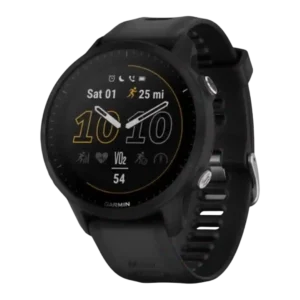
Reviewers generally trusted the broader health data, citing consistent sensors, solid 24/7 tracking, and useful guidance, while still treating some metrics as wellness signals rather than medical-grade data.
Pros: GPS accuracy, battery life
Cons: onboard music storage, charging convenience
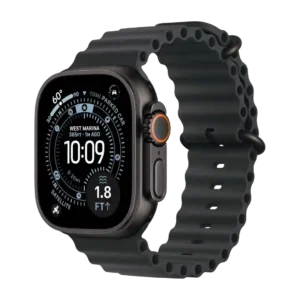
Hypertension-related health alerts were treated as meaningful preventive signals, though evidence was limited to one reviewer’s health-feature assessment.
Pros: battery life, heart rate accuracy
Cons: comfort, value for money
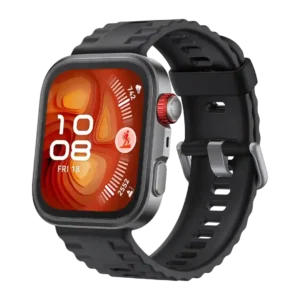
Reviewers generally found health tracking strong for the price, with broad sensor coverage and useful everyday readings, though some deeper analysis remained limited.
Pros: battery life, value for money
Cons: contactless payments, sleep tracking accuracy
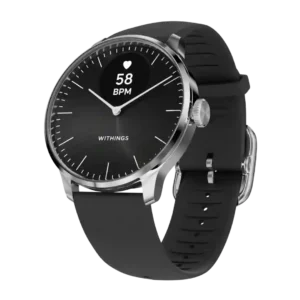
Health tracking is considered capable for basic use and near-perfect for the intended minimalist health-tracker audience.
Pros: style and design, battery life
Cons: charging convenience, smartphone notifications
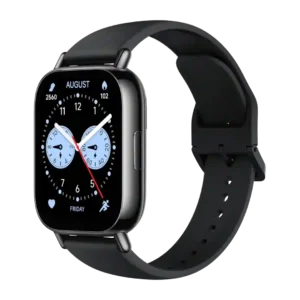
Reviewers generally found health readings useful and fairly reliable, though one cautioned they should be treated as reference data rather than medical-grade measurements.
Pros: display quality, battery life
Cons: sleep tracking accuracy, voice assistant quality
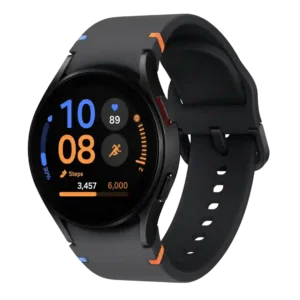
Reviewers generally found the health metrics useful and accurate enough, especially body composition and broad tracking, while one noted body fat/body composition can be less precise than a smart scale.
Pros: smartwatch features, health tracking accuracy
Cons: value for money, software smoothness
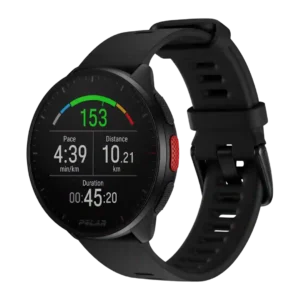
Health tracking evidence is limited but positive, with one reviewer saying the heart-rate and sleep data were accurate enough to support the watch’s assessments.
Pros: value for money, workout tracking variety
Cons: GPS accuracy, mapping and navigation
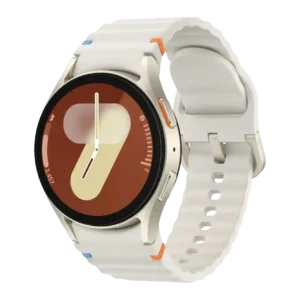
Health tracking accuracy is broadly strong but not perfect; reviewers praised the sensors and broad health data while warning body-composition and some values are only guidelines.
Pros: value for money, wellness insights
Cons: battery life, cross-platform compatibility
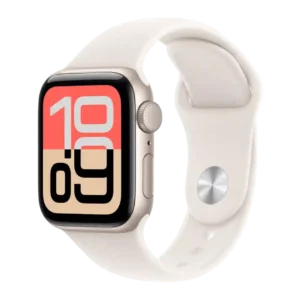
Reviewers described the core health basics as adequate or mostly complete, especially heart-rate alerts and general tracking, while noting that advanced sensors remain absent.
Pros: display quality, value for money
Cons: ECG functionality, battery life
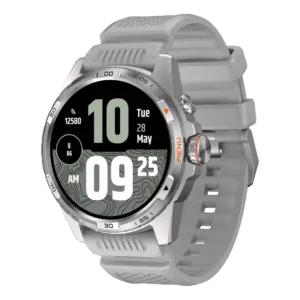
Overall health tracking is generally useful and often accurate, but heart-rate reliability and insight depth remain uneven.
Pros: battery life, display quality
Cons: operating system experience, voice assistant quality
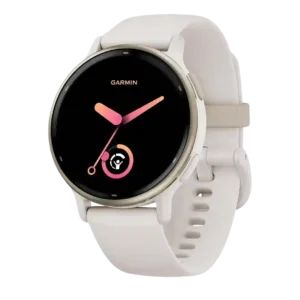
Health tracking accuracy was generally positive, with reviewers describing the health sensors and continuous monitoring as accurate or strong.
Pros: value for money, GPS accuracy
Cons: sleep tracking accuracy, recovery insights