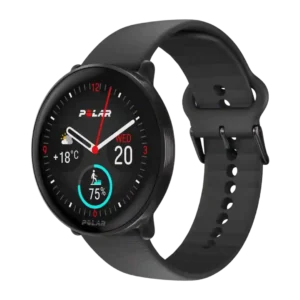
Reviewers who judged overall health tracking were positive, grouping heart rate, sleep, steps, location, and wellness insight as accurate enough to trust.
Pros: display quality, coaching features
Cons: value for money, battery life

Reviewers who judged overall health tracking were positive, grouping heart rate, sleep, steps, location, and wellness insight as accurate enough to trust.
Pros: display quality, coaching features
Cons: value for money, battery life
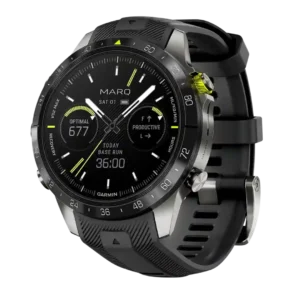
Reviewers saw broad health metrics as generally realistic when compared with daily reality, though detailed evidence appeared in only one review.
Pros: display quality, battery life
Cons: value for money, smartphone notifications
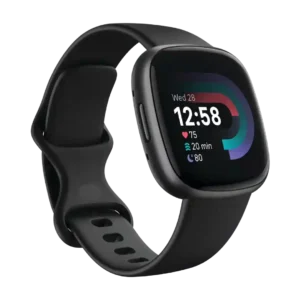
Reviewers who discussed broad health accuracy were mostly positive, saying health metrics felt solid or convincing, though this was distinct from specific workout heart-rate issues.
Pros: battery life, GPS accuracy
Cons: value for money, heart rate accuracy
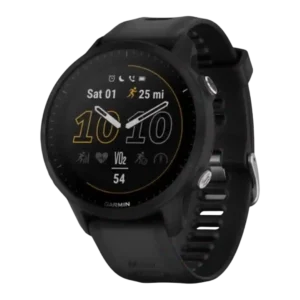
Reviewers generally trusted the broader health data, citing consistent sensors, solid 24/7 tracking, and useful guidance, while still treating some metrics as wellness signals rather than medical-grade data.
Pros: GPS accuracy, battery life
Cons: onboard music storage, charging convenience
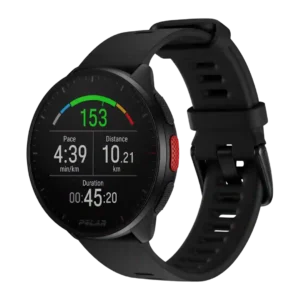
Health tracking evidence is limited but positive, with one reviewer saying the heart-rate and sleep data were accurate enough to support the watch’s assessments.
Pros: value for money, workout tracking variety
Cons: GPS accuracy, mapping and navigation
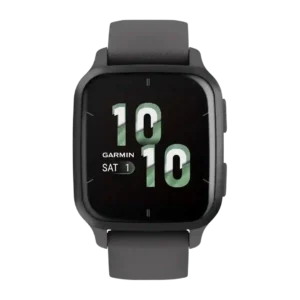
Reviewers found the health sensors broadly useful, though some noted the overall health-tracking layer is secondary to sports tracking and depends on Garmin’s sensor quality.
Pros: battery life, display quality
Cons: smartwatch features, style and design
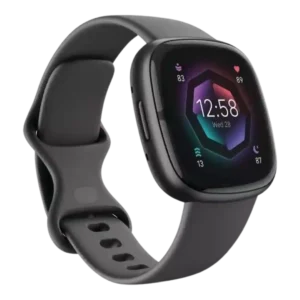
Health tracking accuracy is generally useful for trends and illness awareness, though reviewers note regional feature limits, Premium gates, and weaker performance in scientific testing.
Pros: battery life, stress tracking
Cons: value for money, GPS accuracy
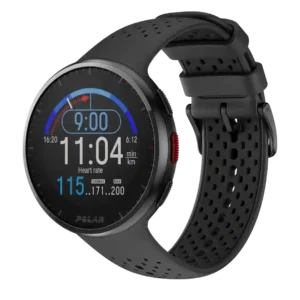
Reviewers split on broader health accuracy: ZDNet praised reliable all-day health and wellness data, while the scientific test review was much less impressed overall.
Pros: GPS accuracy, value for money
Cons: battery life, smartwatch features
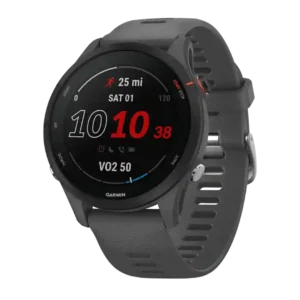
Health tracking was viewed as useful when it built an accurate day-to-day picture, but one reviewer flagged stair detection as clearly wrong.
Pros: GPS accuracy, battery life
Cons: smartphone notifications, mapping and navigation
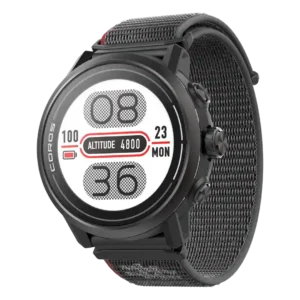
Health metrics were broadly useful for trends, but reviewer confidence was mixed because some HRV-style readings appeared unreliable or needed more testing.
Pros: value for money, GPS accuracy
Cons: mapping and navigation, onboard music storage
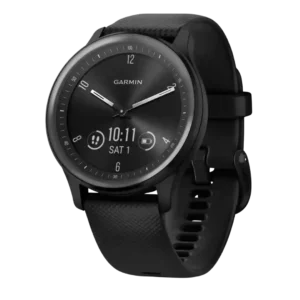
General health accuracy was mixed: one reviewer found supported metrics broadly accurate, while another was unimpressed because heart-rate problems weakened workout health data.
Pros: value for money, style and design
Cons: battery life, display quality
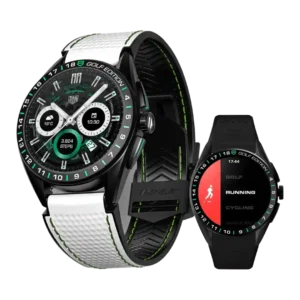
Reviewers treated health tracking as a weak point: useful for casual awareness, but not a strength for serious health or sports insight.
Pros: style and design, battery life
Cons: value for money, heart rate accuracy
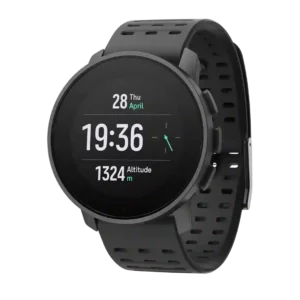
Reviewers were split on broad health accuracy: some found the generated insights useful, while others questioned whether Resources and sensor-based health readings reflected reality.
Pros: battery life, GPS accuracy
Cons: value for money, mapping and navigation