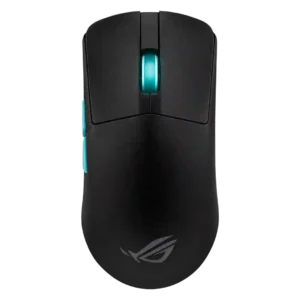
ROG ecosystem integration was praised because the Omni receiver could connect compatible ROG peripherals together.
Pros: weight, grip texture
Cons: software usability, profile switching

ROG ecosystem integration was praised because the Omni receiver could connect compatible ROG peripherals together.
Pros: weight, grip texture
Cons: software usability, profile switching
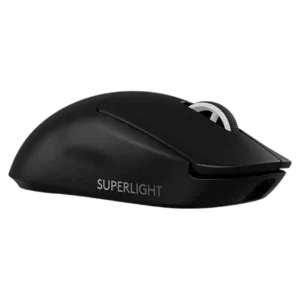
Ecosystem integration was praised for Logitech presets, backward compatibility, and community/profile support.
Pros: switch feel, polling rate
Cons: value for money, side button quality
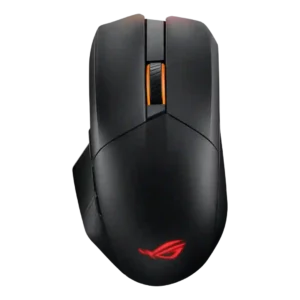
ROG ecosystem integration was praised for syncing the mouse with an ASUS desktop setup.
Pros: glide smoothness, scroll wheel quality
Cons: analog joystick usability, shape comfort
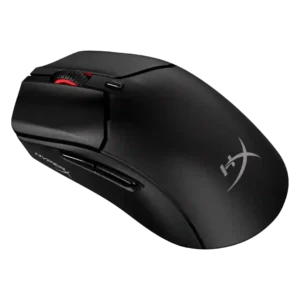
Ecosystem integration had limited but positive support, with one reviewer calling it a great addition to the HyperX ecosystem.
Pros: weight, value for money
Cons: side button quality, RGB features
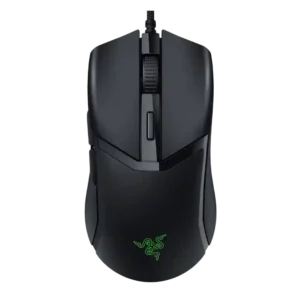
Synapse integration was described as seamless in one review, supporting the broader Razer accessory/software ecosystem.
Pros: value for money, shape comfort
Cons: onboard memory, side button quality
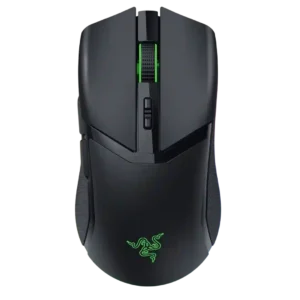
Ecosystem integration was a strength for Razer users, with multi-device dongles, Chroma sync, onboard profiles, and Razer accessory compatibility praised.
Pros: value for money, battery life
Cons: weight, balance and weight distribution
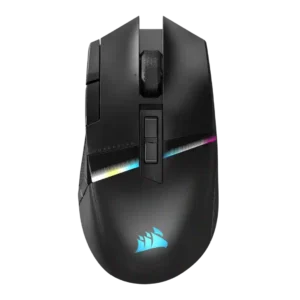
Ecosystem integration has limited but positive support, mainly around syncing multiple devices to one dongle.
Pros: tilt gesture controls, MMO gaming suitability
Cons: battery life, software usability
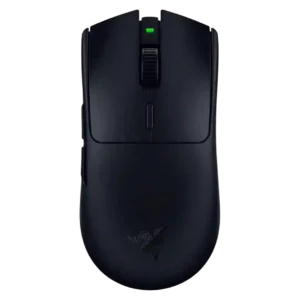
Ecosystem integration was positive but narrow, focused on HyperSpeed multi-device dongle sharing and saving USB ports.
Pros: value for money, grip texture
Cons: weight, charging convenience
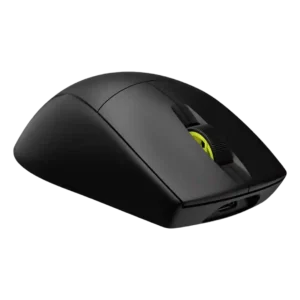
Ecosystem integration is modestly positive for users already invested in iCUE or Corsair wireless devices.
Pros: weight, battery life
Cons: value for money, profile switching