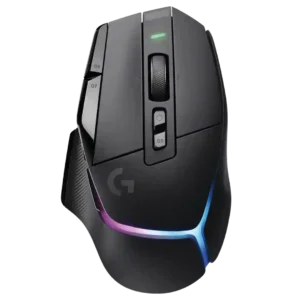
Ecosystem integration was a strength, with praise for shared receivers, G Hub device management, Lightsync, and Logitech peripheral syncing.
Pros: RGB features, weight
Cons: value for money, scroll wheel quality

Ecosystem integration was a strength, with praise for shared receivers, G Hub device management, Lightsync, and Logitech peripheral syncing.
Pros: RGB features, weight
Cons: value for money, scroll wheel quality
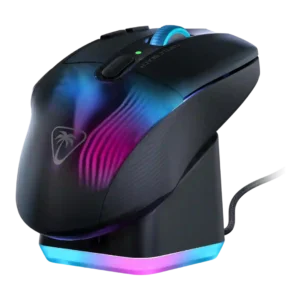
Ecosystem integration was positively supported by AIMO/RGB sync evidence for Roccat devices and dock syncing.
Pros: RGB features, battery life
Cons: value for money, scroll wheel quality
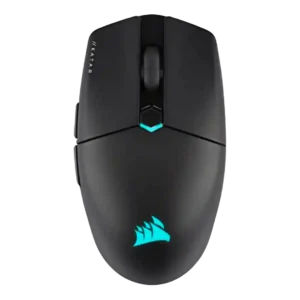
Ecosystem integration was positive for users with Corsair gear, especially iCUE synchronization and multi-device setup.
Pros: value for money, shape comfort
Cons: scroll wheel quality, left and right click quality

Ecosystem integration was praised when the G705 could share Aurora/Logitech receivers or pair with another LIGHTSPEED device on one dongle.
Pros: shape comfort, battery life
Cons: value for money, DPI range
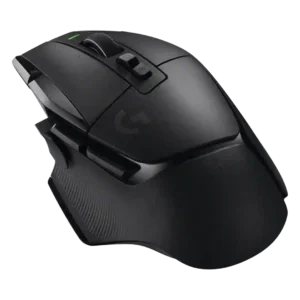
Ecosystem integration was positive, especially one-receiver pairing, Logitech-device syncing, and reduced cable or USB clutter.
Pros: shape comfort, programmable buttons
Cons: value for money, side button quality
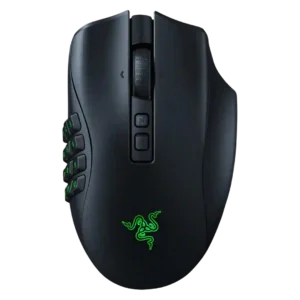
Ecosystem integration was useful for users already in Razer's Chroma/Synapse setup, especially RGB syncing.
Pros: button customization, scroll wheel quality
Cons: weight, value for money
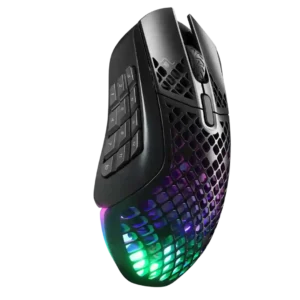
Ecosystem integration had limited support, mainly from RGB synchronization with other SteelSeries peripherals.
Pros: side button quality, MMO gaming suitability
Cons: value for money, claw grip comfort
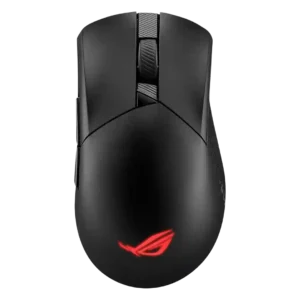
Ecosystem integration was mixed but present, with Armoury Crate centralizing ASUS devices while feeling overloaded for mouse-only use.
Pros: battery life, software usability
Cons: click noise, fingertip grip comfort