If you want better durability over time
Choose ASUS ROG Strix Impact III Wireless. It scores 4.6 vs 2.5 for durability over time, with a 4.2 overall score.

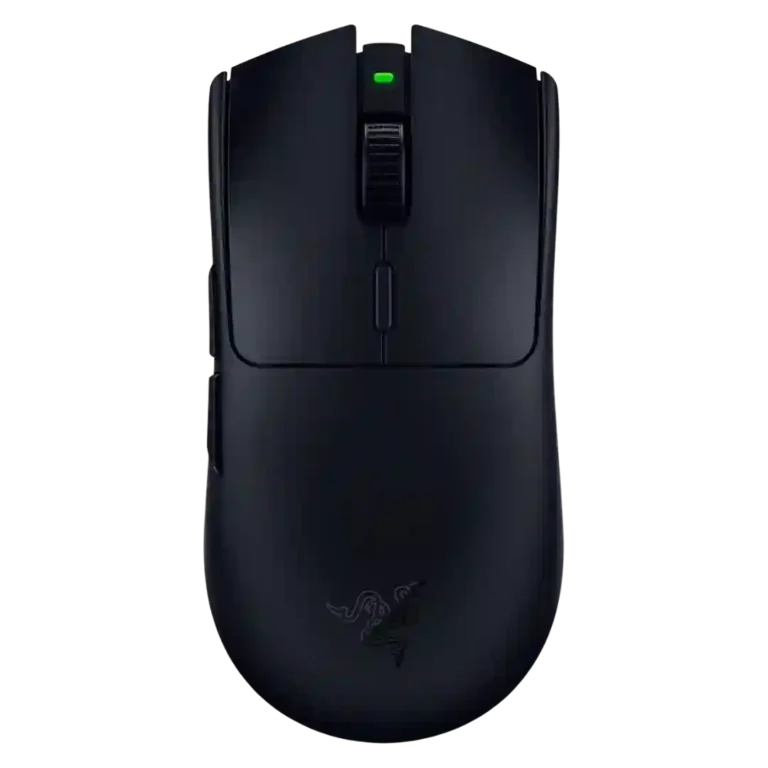
Choose the Razer Viper V3 HyperSpeed for strong wireless sensor performance, grippy comfort, and value. Skip it if AA batteries, extra weight, limited onboard profiles, or no Bluetooth/wired fallback bother you.
Best for FPS and general gaming users who want Razer’s strong sensor performance, dependable 2.4GHz wireless, a grippy shell, and premium-feeling side buttons at a lower price. It especially suits players comfortable with claw or palm-leaning grips and AA battery swaps.
Not for users who need Bluetooth, rechargeable convenience, multiple onboard profiles, RGB, a wired emergency mode, or the lightest possible esports mouse. Fingertip-only players and weight-sensitive competitive players may prefer lighter alternatives.
Across reviews, the Razer Viper V3 HyperSpeed lands as a high-value wireless gaming mouse with a premium sensor, grippy coating, smooth glide, and a more supportive shape than older flat Viper designs. Reviewers consistently liked its tracking, side buttons, and price-to-performance ratio. The tradeoff is that its AA-battery design creates weight, balance, and convenience concerns: some reviewers found the feel controlled, while others called it heavy, rear-biased, or a reason to wait for a Pro model. Its software and feature set are also intentionally simple, with limited onboard memory, no Bluetooth, no wired fallback, and no RGB. The result is a strong FPS-oriented pick for players who accept the battery compromise.
Compared with other Gaming Mice, this product is above average in weight tuning, side button quality, value for money, near average in sensor performance, glide smoothness, below average in charging convenience, onboard memory, weight.
| Attribute | This product | Category average | Difference |
|---|---|---|---|
| weight tuning | 4.8 | 2.7 | +2.0 |
| charging convenience | 2.5 | 4.0 | -1.5 |
| onboard memory | 2.3 | 4.0 | -1.7 |
| weight | 3.0 | 4.1 | -1.1 |
| durability over time | 2.5 | 3.9 | -1.4 |
| side button quality | 4.7 | 3.7 | +1.1 |
| value for money | 4.5 | 3.7 | +0.8 |
| Bluetooth support | 2.5 | 3.6 | -1.1 |
Choose ASUS ROG Strix Impact III Wireless. It scores 4.6 vs 2.5 for durability over time, with a 4.2 overall score.
Choose ROG Harpe Ace Extreme. It scores 4.6 vs 3.0 for weight, with a 4.0 overall score.
Choose Razer DeathAdder V3 HyperSpeed. It scores 5.0 vs 3.3 for balance and weight distribution, with a 4.3 overall score.
Choose Logitech G PRO X Superlight 2 DEX. It scores 4.7 vs 2.3 for onboard memory, with a 4.1 overall score.
Compared with Razer Viper V3 HyperSpeed
Yes. Reviewers repeatedly praised its sensor, wireless responsiveness, and tracking for shooters, though some noted that elite competitive players may want lighter or faster-clicking alternatives.
It depends on preference. Reviews praised the long battery life and easy swaps, but many disliked the added weight, rear-heavy feel, and lack of wired or rechargeable fallback.
Reviewers strongly agreed that the Focus Pro 30K sensor is accurate, responsive, and reliable across gaming scenarios and several surfaces.
No review evidence shows Bluetooth support, and reviewers specifically called out the lack of Bluetooth as a limitation, though not always a dealbreaker.
Most reviewers liked the redesigned hump and fuller support, especially for claw and palm-leaning grips. Fingertip comfort was more mixed because the mouse is larger and battery-weighted.
The mouse works out of the box, but reviewers noted Synapse is needed for deeper customization such as DPI stages, button remapping, lift-off settings, polling options, and power settings.
Reviewers generally saw it as excellent value because it brings premium sensor and wireless features to a lower price, with the battery system and simplified feature set as the main compromises.
These are a few of the reviews included in our analysis.


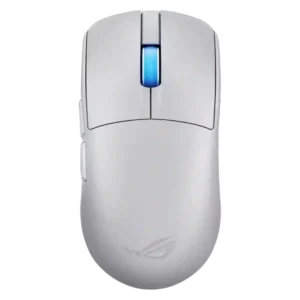
Choose the ROG Harpe II Ace for ultralight FPS play, precise tracking, smooth glide, and web-based tuning. Skip it if you need palm-grip support, MMO buttons, onboard profiles, or long...
Pros: glide smoothness, weight
Cons: handedness options
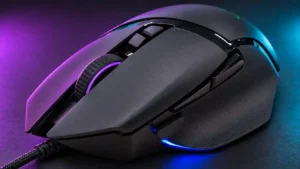
Excellent tracking, comfortable right-handed ergonomics and a versatile scroll wheel make the Basilisk V3 a strong gaming and productivity mouse. Its substantial weight, fixed cable and sometimes over-sensitive automatic scrolling...
Pros: scroll wheel quality, RGB features
Cons: weight, handedness options
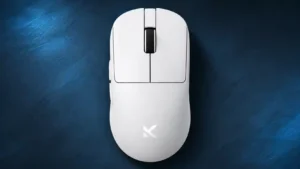
The L7 Pro delivers remarkably light handling, precise aiming and a grippy shell at a budget price. Stock skates are less impressive, and conflicting click-latency measurements warrant caution for latency-sensitive...
Pros: value for money, weight
Cons: wired connectivity
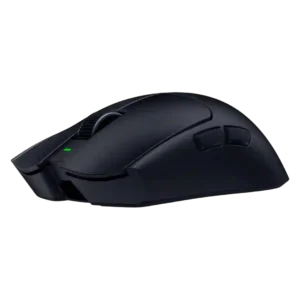
Best for ultra-light, competition-focused speed, precise tracking, stable wireless, and long battery life. Skip it if you need quieter clicks, left-handed support, Bluetooth, more buttons, or better value for casual...
Pros: value for money, weight
Cons: click noise, RGB features