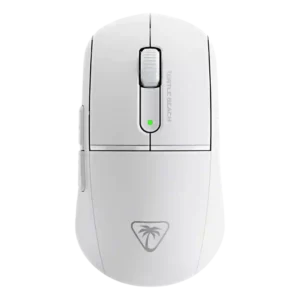
Ecosystem integration evidence was limited but positive, with existing Turtle Beach/ROCCAT settings moving over seamlessly.
Pros: weight, battery life
Cons: polling rate, RGB features

Ecosystem integration evidence was limited but positive, with existing Turtle Beach/ROCCAT settings moving over seamlessly.
Pros: weight, battery life
Cons: polling rate, RGB features
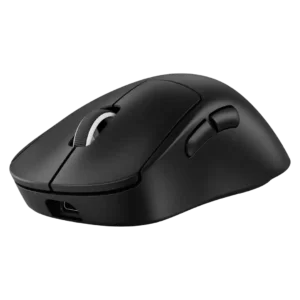
Ecosystem integration was strong where mentioned, especially G Hub plus Logitech hardware features that set the mouse apart.
Pros: weight, shape comfort
Cons: side button quality, value for money
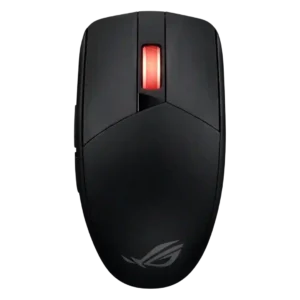
Ecosystem integration is positive thanks to the ROG Omni Receiver and SpeedNova compatibility with other ROG peripherals.
Pros: Accuracy and tracking precision, shape comfort
Cons: long-session comfort
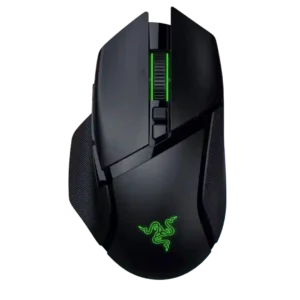
Razer ecosystem integration was liked for Chroma synchronization and multi-device setup polish.
Pros: scroll wheel quality, battery life
Cons: value for money, weight
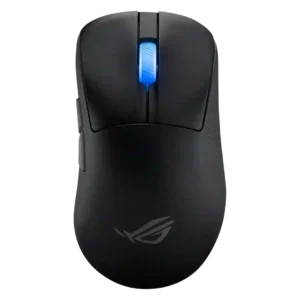
Ecosystem integration was praised where reviewers used the Omni receiver or Aura Sync-style setup without delays.
Pros: value for money, sensor performance
Cons: software usability, grip texture
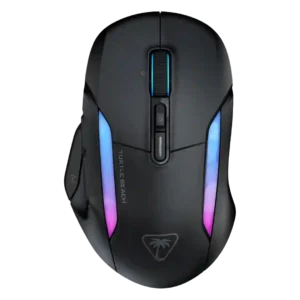
Ecosystem integration was praised in one review for syncing effects across Roccat/Turtle Beach devices.
Pros: battery life, software usability
Cons: weight, FPS gaming suitability
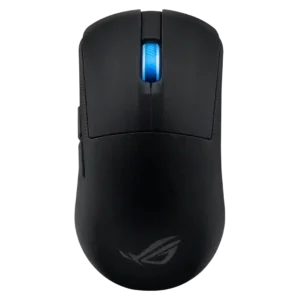
Ecosystem integration was positively received where reviewers mentioned the Omni receiver and multi-device ASUS setup support.
Pros: shape comfort, value for money
Cons: handedness options
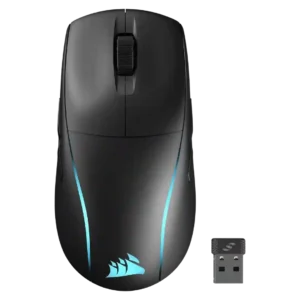
Ecosystem integration was supported by Corsair lighting-link syncing across multiple Corsair devices.
Pros: battery life, glide smoothness
Cons: side button quality, value for money

Ecosystem integration was supported by TechRadar's positive take on G Hub integration working as intended.
Pros: value for money, weight
Cons: premium feel, polling rate
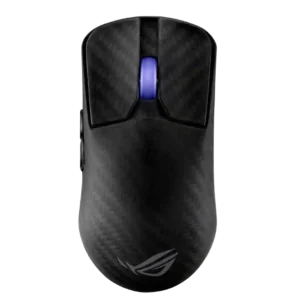
Ecosystem integration was seen as a useful bonus for users already invested in Asus gear, especially shared receiver support.
Pros: sensor performance, build quality
Cons: value for money, battery life
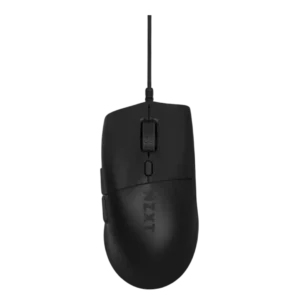
Ecosystem integration was mixed: one reviewer liked CAM’s NZXT-product menu, while another disliked the bloat for users without other NZXT gear.
Pros: value for money, ergonomic design
Cons: RGB features, portability
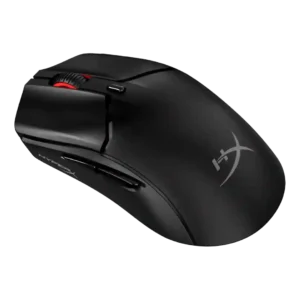
Ecosystem integration was limited by confusing control between mouse settings and HyperX light sync.
Pros: side button quality, scroll wheel quality
Cons: weight, FPS gaming suitability
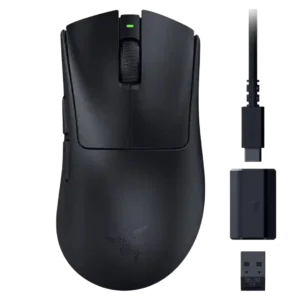
Ecosystem integration was mixed because HyperPolling dongle compatibility and naming created confusion or fragmentation across Razer mice.
Pros: value for money, weight
Cons: Bluetooth support, cable flexibility