
Polling-rate evidence is limited but positive, with one reviewer calling the high-rate 2.4GHz mode suitable for gaming.
Pros: portability, value for money
Cons: software quality, key spacing

Polling-rate evidence is limited but positive, with one reviewer calling the high-rate 2.4GHz mode suitable for gaming.
Pros: portability, value for money
Cons: software quality, key spacing

Polling rate was considered adequate to good for most users at 1,000Hz, but not class-leading for top competitive gaming.
Pros: value for money, design aesthetics
Cons: cable quality, ergonomics
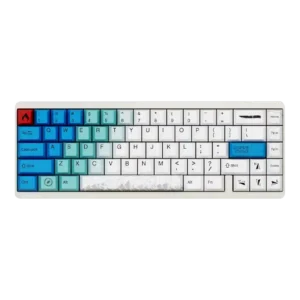
High polling support was viewed positively, with reviewers calling it fast or smooth for competitive-style play.
Pros: design aesthetics, build quality
Cons: software quality, customization options
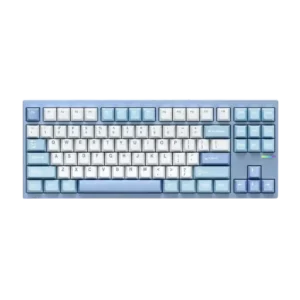
Reviewers treated the 1,000 Hz polling behavior as a strength, linking it to responsive inputs and low-latency use.
Pros: customization options, build quality
Cons: connectivity
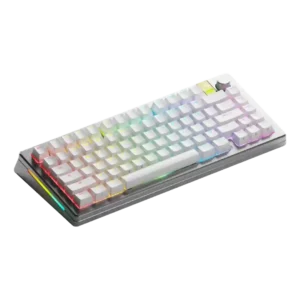
Polling-rate support impressed several reviewers at 8,000Hz, though one reviewer dismissed rates beyond 1,000Hz as marketing.
Pros: customization options, gaming performance
Cons: value for money, software quality
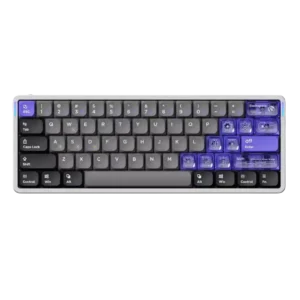
Polling rate was viewed as a strong spec, though reviewers also cautioned that 8K may be imperceptible or cause jitter for some setups.
Pros: software quality, switch feel
Cons: connectivity, layout options

Reviewers found the 1KHz polling rate good enough for most users, but several noted it trails higher-polling competitive boards.
Pros: gaming performance, switch feel
Cons: value for money, extra gaming features

The 8,000Hz polling rate is recognized as high-end, but reviewers are split on practical benefit because some found the returns negligible.
Pros: typing feel, gaming performance
Cons: software quality, value for money

The 1,000Hz polling rate is generally adequate and responsive, but one review penalized it for lacking 8,000Hz support.
Pros: value for money, software quality
Cons: switch options, ergonomics

Polling-rate evidence was mixed: one review praised the steady 1,000 Hz implementation, while others treated missing adjustable polling as a competitive-feature gap.
Pros: switch feel, battery life
Cons: volume control, media controls

Polling rate was treated as adequate rather than elite: reviewers said 1,000Hz is fine for most gamers but noted rivals with higher polling rates.
Pros: size and form factor, typing feel
Cons: switch options, portability

Reviewers considered the 1000 Hz polling rate usable and solid, while noting it trails newer 8000 Hz rivals.
Pros: value for money, rapid trigger support
Cons: media controls, stabilizer quality

Polling-rate impressions were mixed: one reviewer found it quick and useful, while another criticized 1,000Hz against cheaper 8,000Hz competitors.
Pros: build quality, switch feel
Cons: switch options

The 1,000Hz polling rate was usually considered fine for casual or average gamers, but reviewers noted it trails high-end competitive boards.
Pros: software quality, switch feel
Cons: legend visibility, extra gaming features
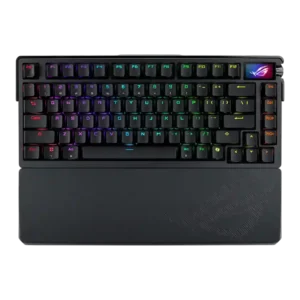
Polling rate was mixed: reviewers appreciated 8,000Hz as premium or useful for competitive users, but several said they could not feel a meaningful difference.
Pros: build quality, customization options
Cons: value for money, rapid trigger support

Polling rate was mixed: one reviewer found 1,000 Hz steady and suitable, while another criticized it as capped versus newer high-end boards.
Pros: value for money, battery life
Cons: hot-swappable switches, noise level
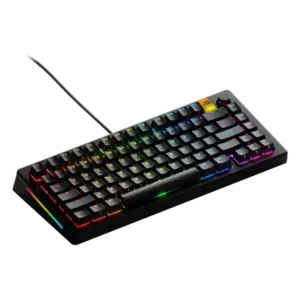
The 8K polling rate impressed some reviewers, but others called its real-world value limited or had trouble accessing it in software.
Pros: customization options, software quality
Cons: value for money, materials quality
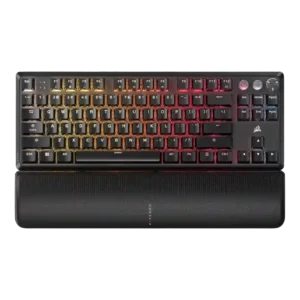
The 8,000Hz polling rate divided reviewers: some noticed benefits in gaming, while many called it unnoticeable, unnecessary, or only marginally useful.
Pros: value for money, keycap quality
Cons: polling rate, acoustics
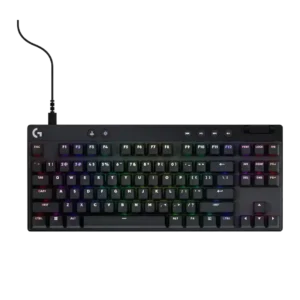
Polling rate is adequate at 1000Hz for some reviewers but criticized as behind competing high-polling keyboards.
Pros: build quality, software quality
Cons: value for money, hot-swappable switches