Best for Casual gaming
Samsung QN900F 8K
5.0 attribute score
Highest scored product for this attribute based on supporting review evidence.

Highest scored product for this attribute based on supporting review evidence.
Balances the attribute score, supporting reviews, and overall product strength.
Has the broadest review evidence for this attribute.
Strongest overall product among items with scored evidence for this attribute.

Overall: 4.2/5
Big-screen gaming is especially rewarding for casual players who prioritize cinematic scale and image punch over a small competitive monitor.
Pros: high-refresh-rate gaming, gaming performance
Cons: value for money, bass performance
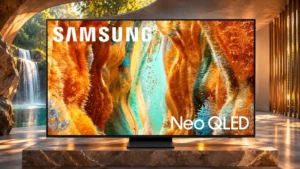
Overall: 3.8/5
Responsive controls, easy console setup and broad gaming support make the QN70F a comfortable choice for less demanding play.
Pros: picture quality, 4K at 144 Hz support
Cons: sound quality, value for money

Overall: 3.9/5
A responsive game mode and strong OLED picture make occasional gaming an easy fit.
Pros: color volume, black levels
Cons: Inconsistent panel and coating by size, sound quality
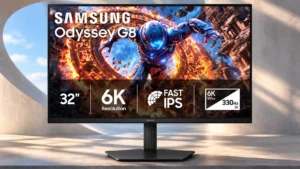
Overall: 3.5/5
Slower-paced games can showcase the 6K detail, while the 3K mode provides a smoother, more attainable option for everyday play.
Pros: Resolution, sharpness
Cons: value for money, HDR performance
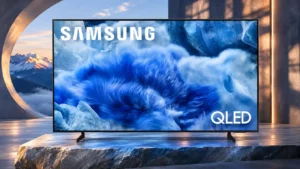
Overall: 3.3/5
Low input lag and broad console support on larger U.S. sizes make ordinary games enjoyable, although visible blur prevents a wholehearted gaming recommendation.
Pros: overall satisfaction, picture quality
Cons: reliability, remote control quality
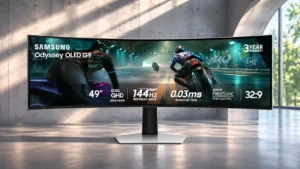
Overall: 3.7/5
The gigantic immersive screen and 144Hz motion feel excellent for relaxed play, although its cost and scale can be hard to justify for occasional gaming.
Pros: value for money, black levels
Cons: refresh rate, portability and weight
Overall: 3.1/5
Good overall response and crisp 4K make varied games enjoyable even if the monitor is not a leading pure-performance bargain.
Pros: PC gaming compatibility, overall picture quality
Cons: overall satisfaction, Smart TV platform
Overall: 3.7/5
Casual play is workable with responsive controls and smooth motion in conventional display mode. Competitive users may still favor faster screens with lower latency.
Pros: glasses-free 3D quality, AI 2D-to-3D conversion
Cons: 3D compatible game library, value for money

Overall: 4.2/5
Casual games feel lively and responsive, though the most demanding motion scenes can reveal smearing.
Pros: picture quality, glare resistance
Cons: value for money, bass performance
Overall: 3.8/5
Occasional players get responsive controls and excellent connectivity without being overly affected by ghosting or added processing delay.
Pros: overall satisfaction, color gamut
Cons: value for money, local dimming performance
Overall: 3.8/5
Relaxed gaming is generally workable and can look beautiful, even through the wireless box. Competitive play exposes the extra delay much more clearly.
Pros: glare resistance, overall satisfaction
Cons: input lag, value for money
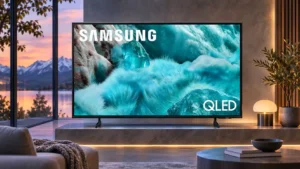
Overall: 3.0/5
Casual, mostly SDR gaming is playable and responsive at 60Hz; more demanding play exposes the limited refresh rate and blurred motion.
Pros: color gamut, smart TV platform
Cons: value for money, overall satisfaction
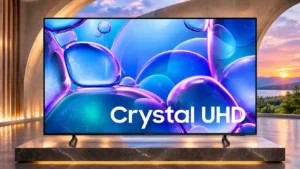
Overall: 3.0/5
Quick response to button presses and reliable 4K/60Hz support suit less demanding games. Competitive players should look for a 120Hz panel.
Pros: picture quality, smart TV platform
Cons: value for money, refresh rate
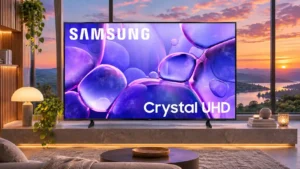
Overall: 3.3/5
Casual 60fps console play is a reasonable fit thanks to low lag; demanding competitive games expose blurry motion and the 60Hz cap.
Pros: color accuracy, upscaling quality
Cons: picture quality, sound quality
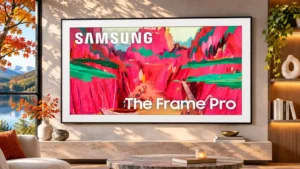
Overall: 3.8/5
Slower, low-stakes games remain enjoyable, although the wireless input path can introduce noticeable delay.
Pros: Wireless One Connect compatibility, art display mode
Cons: value for money, input lag