Best for AI scene optimization
Samsung S95H OLED
5.0 attribute score
Highest scored product for this attribute based on supporting review evidence.

Highest scored product for this attribute based on supporting review evidence.
Balances the attribute score, supporting reviews, and overall product strength.
Has the broadest review evidence for this attribute.
Strongest overall product among items with scored evidence for this attribute.
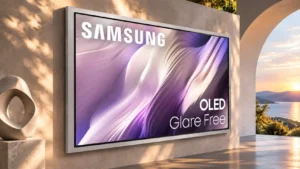
Overall: 4.2/5
Some automated picture settings rescue dark content, but others look artificial or overly processed.
Pros: picture quality, overall satisfaction
Cons: design and appearance, Dolby Vision support
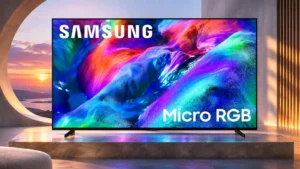
Overall: 3.8/5
Automatic picture adjustments are convenient and can look excellent, while more conversational AI features feel less polished.
Pros: overall satisfaction, color gamut
Cons: value for money, local dimming performance

Overall: 4.0/5
The image processor adds convincing depth and restores detail, but aggressive automatic preferences can stray from faithful movie presentation.
Pros: reflection handling, overall satisfaction
Cons: Dolby Vision support, bass performance

Overall: 3.8/5
Automatic picture features can save manual adjustments, though the broader AI interface is not universally compelling.
Pros: picture quality, contrast ratio
Cons: blooming control, glare resistance

Overall: 3.8/5
AI picture processing lifts detail and contrast in dim scenes without losing the sense of a naturally lit setting.
Pros: cable management, design and appearance
Cons: value for money, Dolby Vision support
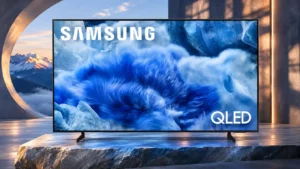
Overall: 3.3/5
AI picture enhancement can create a vivid image but is not always distinguishable from conventional processing, making its benefit uncertain.
Pros: overall satisfaction, picture quality
Cons: reliability, remote control quality
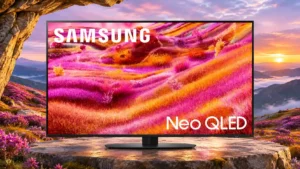
Overall: 4.2/5
Picture processing adjusts scenes for extra punch and clarity; the most aggressive settings may appear less natural than Filmmaker Mode.
Pros: picture quality, glare resistance
Cons: value for money, bass performance

Overall: 3.9/5
Picture-enhancement modes can improve depth and detail, but their usefulness varies by scene.
Pros: color volume, black levels
Cons: Inconsistent panel and coating by size, sound quality
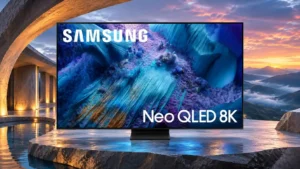
Overall: 3.8/5
Adaptive picture modes can add welcome brightness and punch, particularly with sports. Films sometimes look exaggerated or artificial, making the option best treated as adjustable rather than always on.
Pros: glare resistance, overall satisfaction
Cons: input lag, value for money
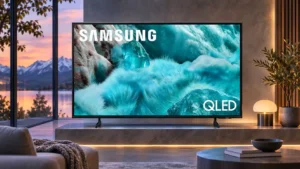
Overall: 3.0/5
AI-assisted picture processing drew mild praise when very low-resolution clips remained watchable, although its improvements were not universally convincing.
Pros: color gamut, smart TV platform
Cons: value for money, overall satisfaction

Overall: 3.8/5
AI Mode can noticeably lift dull images and fuller sound, though other demos found cooler colors or lost highlights.
Pros: picture quality, 4K at 144 Hz support
Cons: sound quality, value for money

Overall: 4.2/5
Automatic scene adjustments can be useful after tuning, but overly forceful defaults may distort skin tones, highlights and motion.
Pros: high-refresh-rate gaming, gaming performance
Cons: value for money, bass performance
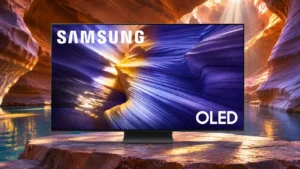
Overall: 3.9/5
AI picture modes can overdo brightness and color, so manually chosen presets often look more balanced.
Pros: value for money, overall satisfaction
Cons: Dolby Vision support, sound quality
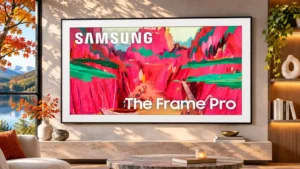
Overall: 3.8/5
Automatic brightness enhancement can improve a dark movie, but some adjustments feel opaque or less useful than expected.
Pros: Wireless One Connect compatibility, art display mode
Cons: value for money, input lag

Overall: 3.1/5
Automatic picture and game adjustments divide opinion: they can help selected content, but the game optimizer has also been dismissed as ineffective.
Pros: gaming performance, color accuracy
Cons: value for money, overall satisfaction

Overall: 4.0/5
Abundant AI extras fail to add obvious utility.
Pros: black levels, picture quality
Cons: glare resistance, reflection handling
Overall: 3.7/5
Automated image enhancements divide opinion: some sharpen and clean up pictures, while others push brightness and contrast too far. Manual presets often look more controlled.
Pros: color volume, overall satisfaction
Cons: value for money, color accuracy