Best for multiplayer design
It Takes Two
5.0 attribute score
Highest scored product for this attribute based on supporting review evidence.

Highest scored product for this attribute based on supporting review evidence.
Balances the attribute score, supporting reviews, and overall product strength.
Has the broadest review evidence for this attribute.
Strongest overall product among items with scored evidence for this attribute.
Overall: 4.4/5
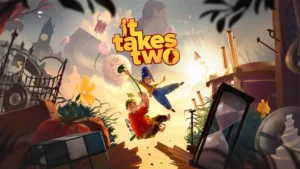
The campaign is built around simultaneous, complementary player actions instead of adding another player as an afterthought. Coordination is central to how it works.
Pros: co-op experience, content variety
Cons: humor, side character depth

Overall: 4.2/5
Multiplayer design was praised for fitting the exclusively co-op approach and supporting differing skill levels.
Pros: co-op experience, content variety
Cons: writing quality, narrative quality
Overall: 3.4/5
multiplayer design was the strongest consensus positive, praised as layered, chaotic, and highly replayable.
Pros: multiplayer design, sound design
Cons: narrative quality, map and navigation design
Overall: 3.3/5
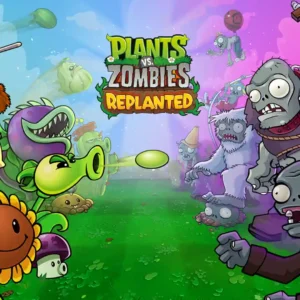
Local co-op and versus broaden the classic formula and can be excellent with another player. The lack of proper online multiplayer is one of the most repeated missed opportunities, especially...
Pros: fun factor, remake/remaster quality
Cons: graphics quality, soundtrack quality

Overall: 2.9/5
Connected Franchise is a popular idea but a polarizing implementation. Playing leagues with friends is appealing, yet missing CPU teams, drafts, progression, and long-term depth leave many calling it incomplete.
Pros: atmosphere, gameplay mechanics
Cons: AI behavior, commentary quality
Overall: 3.8/5
Playlist design is the most repeated structural complaint: many players want a Solos option, and random squadmates can make coordination frustrating. A smaller group likes the enforced squad focus.
Pros: fun factor, battle mode quality
Cons: multiplayer design, replay value

Overall: 3.6/5
Rush can be fun when teammates cooperate, but disruptive players, AFK behavior, and excessive goalkeeper control can let one participant spoil the experience. Stronger behavior-management tools are needed.
Pros: gameplay mechanics, progression system
Cons: open-world design, AI behavior