Best for multiplayer design
Dragon Ball FighterZ
4.3 feature score
Highest scored product for this feature based on supporting review evidence.

Highest scored product for this feature based on supporting review evidence.
Balances feature score, supporting reviews, and overall product strength.
Has the broadest review evidence for this feature.
Strongest overall product among items with scored evidence for this feature.
Showing Bandai Namco only. Switch back to all brands anytime.
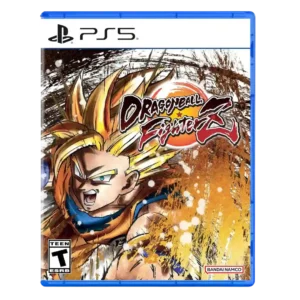
Multiplayer design is generally strong in mode variety, ranked/casual options, party matches, and local play, but online infrastructure hurts access.
Pros: movement feel, world-building
Cons: save system reliability, mission variety
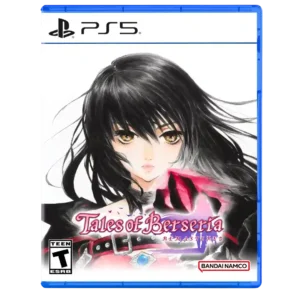
Battle multiplayer was described as serviceable but superfluous: usable for shared play, yet far from central to the experience.
Pros: crafting system, content variety
Cons: monetization fairness, endgame content
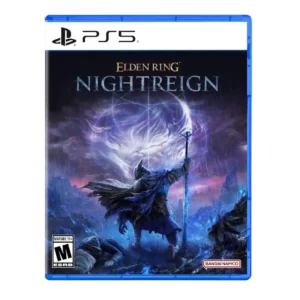
Multiplayer design was ambitious but divisive, thriving with coordinated teams and struggling with strangers or limited communication.
Pros: emotional impact, visual effects quality
Cons: crash stability, cross-play support

The online systems remain useful, but Switch 2’s isolated matchmaking pool is viewed as a meaningful loss for a game built around summons, invasions, and asynchronous interaction.
Pros: gameplay mechanics, core gameplay loop
Cons: platforming precision, tutorial quality
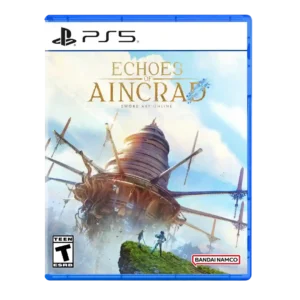
Multiplayer design was criticized because the single-player quest structure seemed like it would benefit from online co-op.
Pros: environmental detail, art direction
Cons: world interactivity, loot system
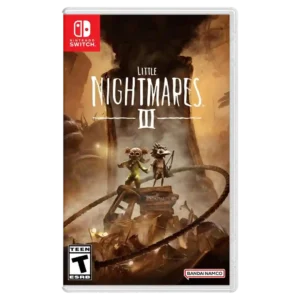
Multiplayer design was criticized for online-only limits, no drop-in switching, and difficult co-op setup despite the feature’s prominence.
Pros: load times, haptic feedback integration
Cons: save system reliability, aiming precision
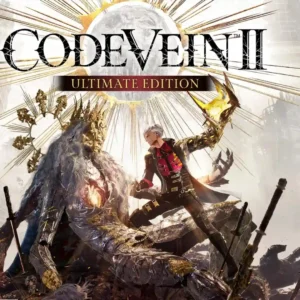
Replacing player multiplayer with NPC partners is one of the sequel’s most controversial structural choices. Multiple reviewers call the removal baffling or a step backward from the first game.
Pros: world-building, sound design
Cons: multiplayer design, frame rate stability