
Overall: 3.8/5
Optional interpolation can reduce movie stutter, but stronger settings can alter the intended cinematic appearance.
Pros: picture quality, 4K at 144 Hz support
Cons: sound quality, value for money

Overall: 3.8/5
Optional interpolation can reduce movie stutter, but stronger settings can alter the intended cinematic appearance.
Pros: picture quality, 4K at 144 Hz support
Cons: sound quality, value for money
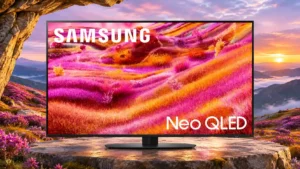
Overall: 4.2/5
Interpolation can tame judder for sports or slower content, but occasional cadence errors and a processed movie look remain concerns.
Pros: picture quality, glare resistance
Cons: value for money, bass performance
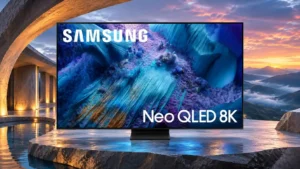
Overall: 3.8/5
Interpolation smooths many scenes and can reduce judder. Aggressive AI smoothing can introduce an obvious soap-opera look.
Pros: glare resistance, overall satisfaction
Cons: input lag, value for money
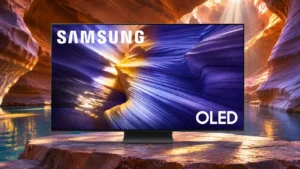
Overall: 3.9/5
Smoothing is useful for selected content, but some low-frame-rate films remain choppy and aggressive settings can look artificial.
Pros: value for money, overall satisfaction
Cons: Dolby Vision support, sound quality
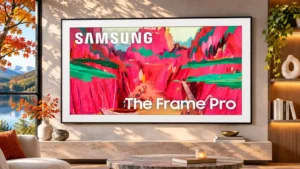
Overall: 3.8/5
Smoothing can reduce stutter, but extra blur limits how convincingly it cleans up movies.
Pros: Wireless One Connect compatibility, art display mode
Cons: value for money, input lag

Overall: 4.2/5
Optional smoothing can make low-frame-rate footage noticeably more fluid. The default strength often introduces halos, artificial movement or other distracting artifacts.
Pros: high-refresh-rate gaming, gaming performance
Cons: value for money, bass performance

Overall: 3.3/5
Motion adjustment can improve judder on some samples, but other testing finds interpolation inconsistent or ineffective.
Pros: color accuracy, upscaling quality
Cons: picture quality, sound quality

Overall: 3.9/5
Motion smoothing can reduce some judder, but it is not especially effective at hiding OLED stutter and needs tuning to avoid an unnatural look.
Pros: color volume, black levels
Cons: Inconsistent panel and coating by size, sound quality

Overall: 4.0/5
Motion smoothing can help sports or low-frame-rate content, but settings often involve uneven cadence or a soap-opera look.
Pros: reflection handling, overall satisfaction
Cons: Dolby Vision support, bass performance
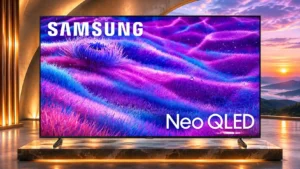
Overall: 3.8/5
Interpolation offers some adjustments, yet tests found limited improvements and visible artifacts in challenging movement.
Pros: overall satisfaction, picture quality
Cons: value for money, local dimming performance
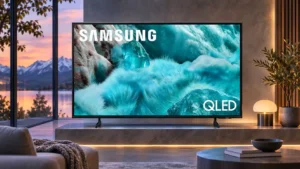
Overall: 3.0/5
Interpolation sometimes helps modestly, yet lab testing found uneven frame pacing that can make slow pans look worse.
Pros: color gamut, smart TV platform
Cons: value for money, overall satisfaction
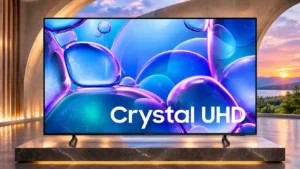
Overall: 3.0/5
Interpolation can reduce judder or stutter in some passages, but inconsistent timing produces distracting movement in others.
Pros: picture quality, smart TV platform
Cons: value for money, refresh rate