#1

Battery life is one of the Nomad’s clearest strengths. Reviewers repeatedly praised multi-week daily endurance and long GPS sessions, with real-world tests often matching or beating expectations.
Pros: mapping and navigation, value for money
Cons: smartwatch features, contactless payments
#2
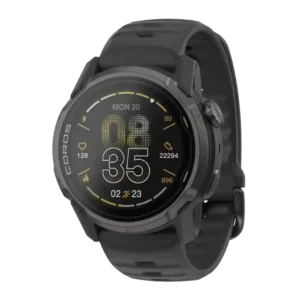
Battery life is the strongest point across reviews, with repeated praise for multi-day use, long GPS endurance, and low charging anxiety.
Pros: GPS accuracy, battery life
Cons: display quality, brightness
#3
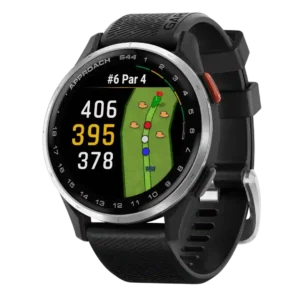
Battery life was strongly praised, with reviewers calling it fabulous or impressive and reporting multi-round use or 10-day everyday endurance.
Pros: display quality, value for money
Cons: smartwatch features, coaching features
#4
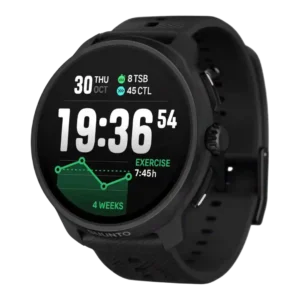
Battery life was one of the clearest strengths, with reviewers repeatedly praising endurance, long GPS runtime, and multi-day use.
Pros: GPS accuracy, heart rate accuracy
Cons: smartwatch features, recovery insights
#5
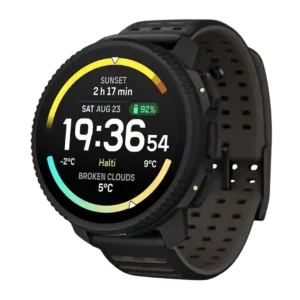
Battery life was the strongest point of agreement: reviewers repeatedly called it class-leading or excellent for AMOLED, with a few real-world caveats versus claims.
Pros: battery life, flashlight usefulness
Cons: companion app quality, onboard music storage
#6
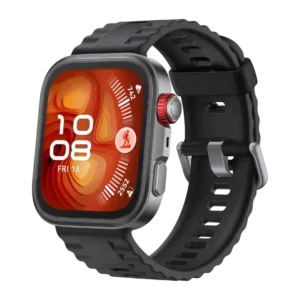
Battery life was the clearest strength, with reviewers repeatedly confirming week-plus to multi-week endurance and calling it a major advantage over many smartwatch rivals.
Pros: battery life, value for money
Cons: third-party app support, onboard music storage
#7

Battery life was the strongest consensus attribute, praised in every review as class-leading or unusually long for Wear OS.
Pros: battery life, button controls
Cons: size options, ECG functionality
#8
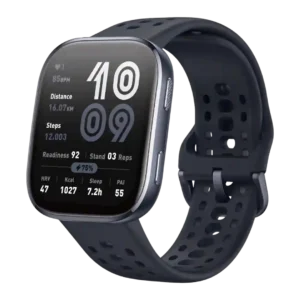
Battery life was the strongest consensus point, with reviewers commonly getting roughly a week or more and several calling the result impressive for an AMOLED smartwatch.
Pros: value for money, battery life
Cons: voice assistant quality, sleep tracking accuracy
#9
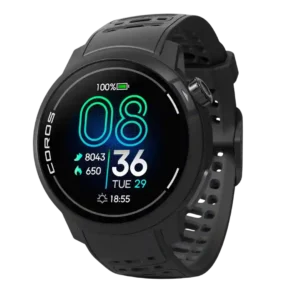
Battery life was a standout across nearly every review, especially given the small case and AMOLED screen.
Pros: value for money, battery life
Cons: mapping and navigation, button controls
#10
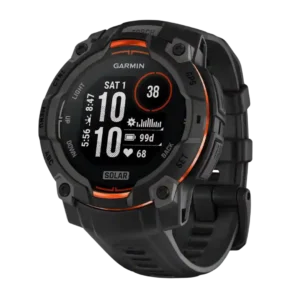
Battery life is one of the strongest consensus positives: AMOLED models last for weeks, and Solar testing produced exceptionally long outdoor runtimes.
Pros: battery life, display quality
Cons: mapping and navigation, smartwatch features
#11
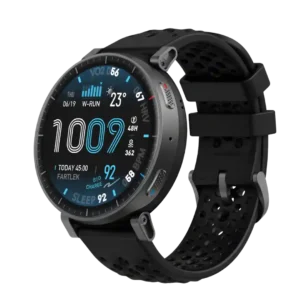
Battery life was the strongest consensus win, with reviewers repeatedly reporting or expecting multi-day to multi-week endurance.
Pros: battery life, value for money
Cons: companion app quality, heart rate accuracy
#12
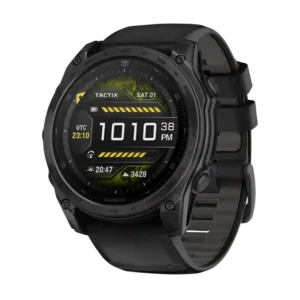
Battery life was one of the clearest strengths, with reviewers often reporting multi-week use, though AMOLED always-on settings reduce endurance.
Pros: battery life, durability
Cons: value for money, band quality
#13
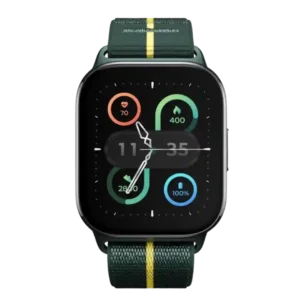
Battery life was the clearest consensus strength, with every review that addressed it describing long endurance or a strong battery claim.
Pros: battery life, display quality
Cons: value for money, style and design
#14
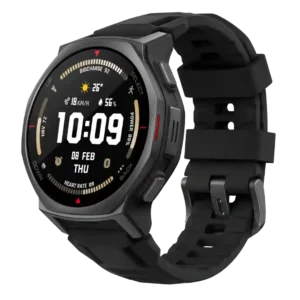
Battery life is one of the strongest points, with reviewers repeatedly getting many days to roughly two weeks or more depending on always-on display, GPS and health-tracking settings.
Pros: battery life, value for money
Cons: mapping and navigation, user interface
#15
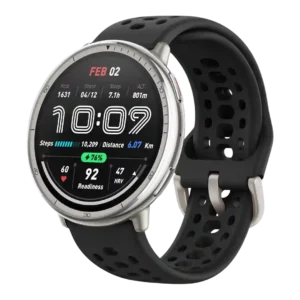
Battery life was consistently better than typical premium smartwatches, even though always-on or heavy use reduced it to several days.
Pros: value for money, battery life
Cons: band quality, button controls
#16
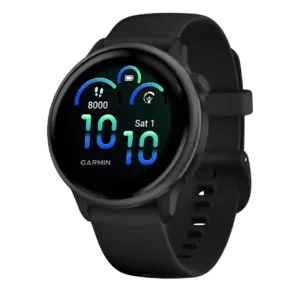
Battery life is a major strength, with most reviewers getting roughly a week or several days depending on always-on display and GPS use.
Pros: battery life, comfort
Cons: heart rate accuracy, sleep tracking accuracy
#17
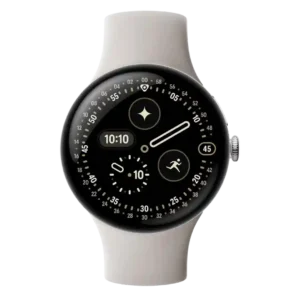
Battery life was broadly improved, with many reviewers getting roughly 1.5 to 2+ days, though smaller-size and heavier-use scenarios were less impressive.
Pros: battery life, charging speed
Cons: band quality, button controls
#18
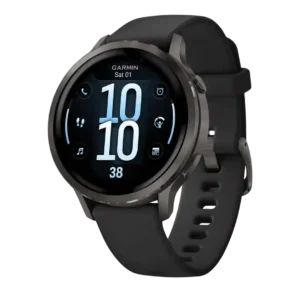
Battery life was widely praised as far better than mainstream smartwatches, though always-on display, GPS, and the Venu 3 comparison reduced enthusiasm for some.
Pros: battery life, GPS accuracy
Cons: value for money, voice assistant quality
#19
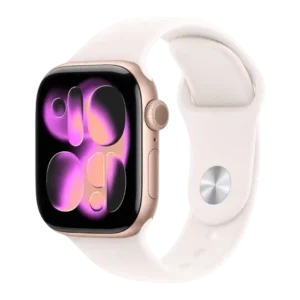
Battery life is the most praised upgrade, usually lasting a full day plus sleep tracking, though a few reviewers still dislike daily charging.
Pros: battery life, value for money
Cons: coaching features, recovery insights
#20
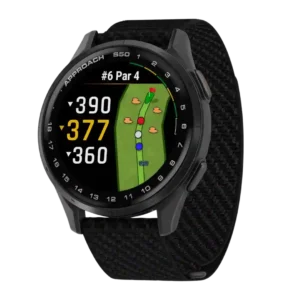
Battery life was generally praised, with reviewers reporting strong multi-day use and weeklong real-world wear, though one comparison called it modest versus the S70.
Pros: value for money, comfort
Cons: fit, band quality
#21
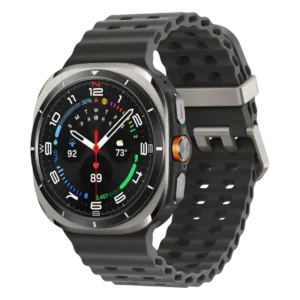
Battery life is a strength relative to other Galaxy Watches, but real-world results vary widely with always-on display, GPS, and travel use.
Pros: battery life, display quality
Cons: value for money, antioxidant index
#22
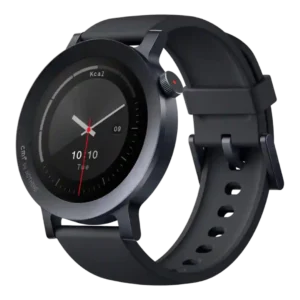
Battery life was one of the clearest strengths, often lasting several days to more than a week, though always-on display use reduced results sharply for some reviewers.
Pros: style and design, value for money
Cons: customization options, companion app quality
#23
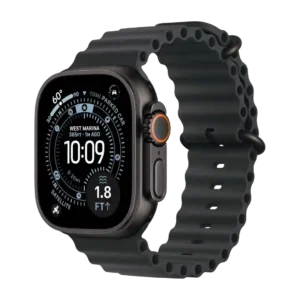
Battery life was broadly improved and often praised as multi-day for a smartwatch, but still short of endurance-watch rivals.
Pros: battery life, heart rate accuracy
Cons: comfort, value for money
#24
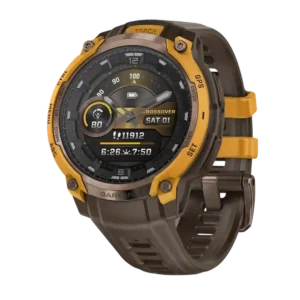
Battery life was generally viewed as strong for an AMOLED smartwatch, though long GPS-heavy adventures exposed a tradeoff versus longer-lasting adventure watches.
Pros: style and design, flashlight usefulness
Cons: value for money, mapping and navigation
#25
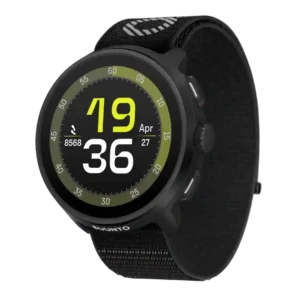
Battery life was adequate to good for regular training, but reviewers often noted always-on AMOLED, GPS use, or endurance needs shorten it versus larger or rival watches.
Pros: GPS accuracy, battery life
Cons: onboard music storage, charging convenience
#26
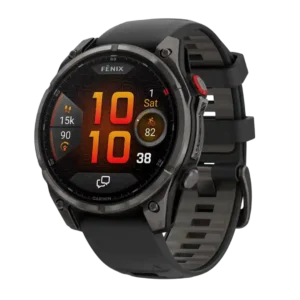
Battery life was one of the biggest tradeoffs: AMOLED models were praised for multi-day or multi-week endurance, while MicroLED and always-on LTE scenarios drew criticism.
Pros: LTE connectivity, battery life
Cons: value for money, safety features
#27
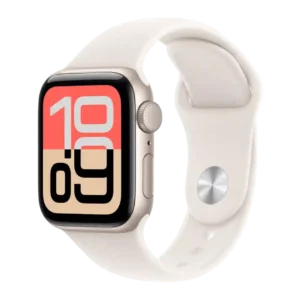
Battery life was the main practical compromise, ranging from excellent in some tests to daily-charge frustration in others.
Pros: display quality, value for money
Cons: ECG functionality, battery life
#28
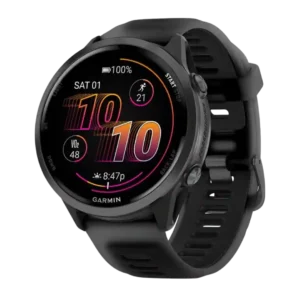
Battery life split reviewers: it easily beat daily-charge smartwatches for some, but many noted regression from the 265 and short always-on runtimes.
Pros: heart rate accuracy, GPS accuracy
Cons: value for money, mapping and navigation
#29
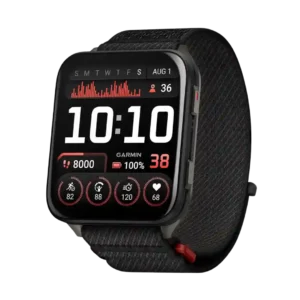
Battery life split reviewers: it outlasted mainstream smartwatches and could reach several days, but always-on display and long GPS use cut it down sharply.
Pros: display quality, comfort
Cons: battery life, value for money
#30
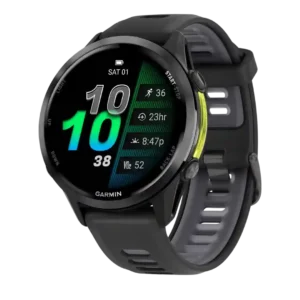
Battery life produced the most mixed feedback: GPS endurance was acceptable or strong, but always-on and general smartwatch use often disappointed reviewers.
Pros: heart rate accuracy, GPS accuracy
Cons: battery life, value for money
#31
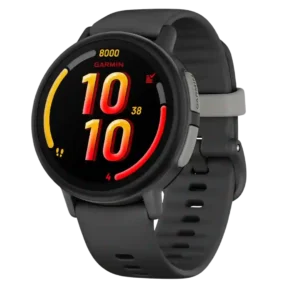
Typical endurance lands around one and a half to two days, with some families getting slightly more. LTE, GPS, calls, and aging batteries can reduce it to a day or...
Pros: smartwatch features, safety features
Cons: value for money, call handling
#32
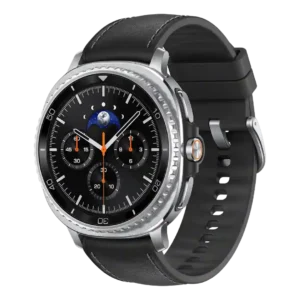
Battery life was the most repeated drawback, with reviewers often calling it daily-use or one-day performance despite a few positive or improved results.
Pros: comfort, voice assistant quality
Cons: battery life, antioxidant index
