Best for size and footprint
Jackery HomePower 3600 Plus
5.0 attribute score
Highest scored product for this attribute based on supporting review evidence.

Highest scored product for this attribute based on supporting review evidence.
Balances the attribute score, supporting reviews, and overall product strength.
Has the broadest review evidence for this attribute.
Strongest overall product among items with scored evidence for this attribute.
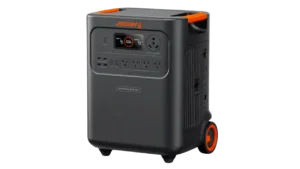
The footprint was repeatedly praised as unusually manageable for a roughly 3.6kWh home-backup station.
Pros: overall product satisfaction, portability
Cons: weight, solar charging speed
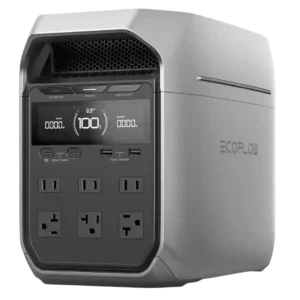
The station packs substantial output into a small footprint and can tuck behind furniture or into fitted travel bags.
Pros: overall product satisfaction, solar panel compatibility
Cons: long-term reliability, standby power loss
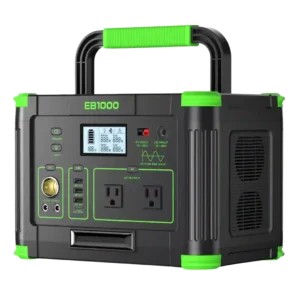
The overall footprint is easy to accommodate in sheds, vehicles, and camping setups without feeling oversized for the available capacity.
Pros: overall product satisfaction, value for money
Cons: long-term reliability, recharge speed
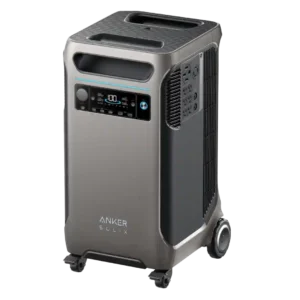
The upright, narrow body is preferred over wider, lower competitors and fits neatly into corners despite its large capacity.
Pros: overall product satisfaction, home backup capability
Cons: value for money, weight
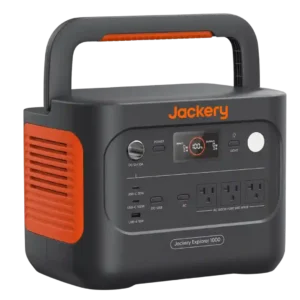
The compact footprint is easy to place beside other gear and fits well in trunks without dominating storage space.
Pros: overall product satisfaction, AC charging speed
Cons: solar panel compatibility, solar cable compatibility
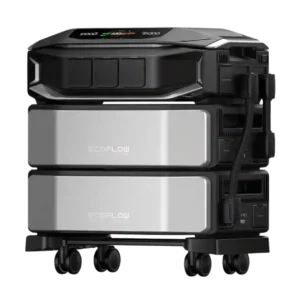
EcoFlow roughly doubles the inverter capability without making the main casing proportionally larger, which reviewers see as an impressive packaging achievement for a residential-scale power system.
Pros: power output, home backup capability
Cons: AC outlet count, UPS functionality
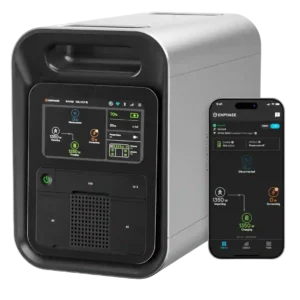
The enclosure is relatively compact for a 1.5 kWh system, though its dense build contributes to the high weight.
Pros: display quality, overall product satisfaction
Cons: solar charging speed, weight
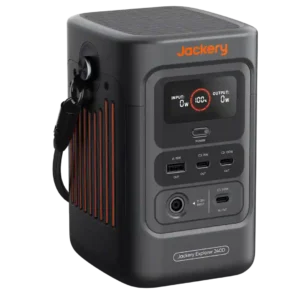
The older Explorer 240's smaller footprint was already a strength, and the 240D pushes the concept further with an even narrower DC-only body.
Pros: value for money, compactness
Cons: high-demand appliance support, AC outlet count
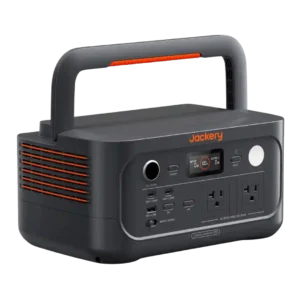
The lunch-box-like footprint is a major advantage, giving the station meaningful capacity without taking up much room.
Pros: overall product satisfaction, compactness
Cons: high-demand appliance support, app connectivity
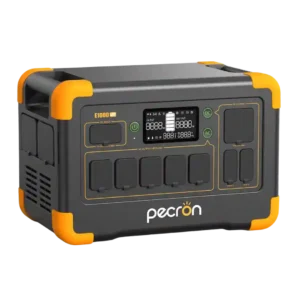
The power-to-size ratio is a strong point, providing 1,800W output and 1kWh-class storage without an oversized enclosure.
Pros: overall product satisfaction, value for money
Cons: standby power loss, surge capacity
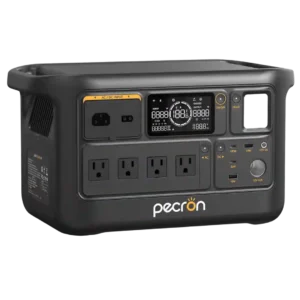
The F1000’s footprint is considered close to ideal for buyers who want meaningful backup power without a bulky station dominating the space.
Pros: overall product satisfaction, load handling
Cons: battery expandability, long-term reliability
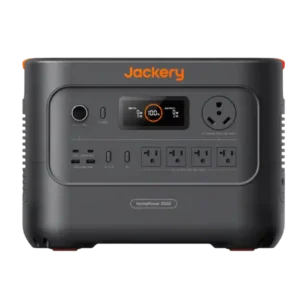
Its milk-crate or suitcase-like footprint is easy to store and vehicle-friendly, though still oversized for casual family camping.
Pros: high-demand appliance support, overall product satisfaction
Cons: accessory ecosystem, charging input compatibility
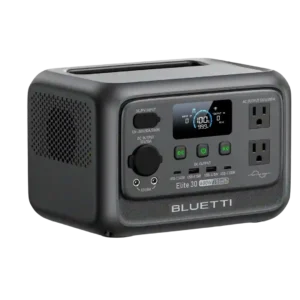
The body is small enough for desks, tents, vehicles, and storage shelves while still housing a 600W inverter. It occupies far less space than larger backup stations.
Pros: value for money, portability
Cons: battery capacity, standby power loss
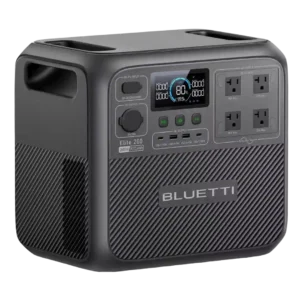
The boxy footprint is easy to stow and uses space efficiently in vehicles, campers, offices, and workshops.
Pros: overall product satisfaction, value for money
Cons: weight, battery expandability
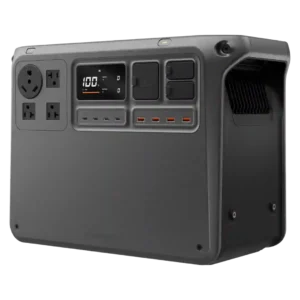
Its relatively small footprint was praised for packing substantial power into limited space.
Pros: noise level, power output
Cons: weight, accessory ecosystem
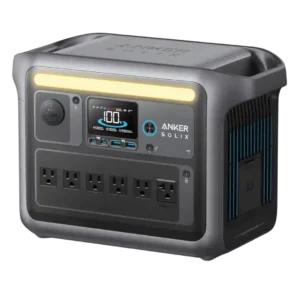
The blocky but compact footprint stores easily in vehicles and closets while leaving room for a large inverter and battery.
Pros: overall product satisfaction, runtime
Cons: noise level, weight
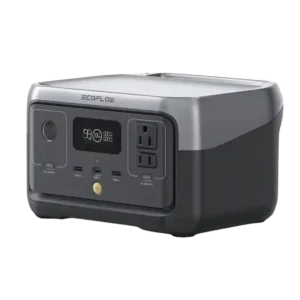
Its low height and flat top pack efficiently, though the protruding handle can make it deeper or awkward inside narrow enclosures.
Pros: overall product satisfaction, AC charging speed
Cons: runtime, high-demand appliance support
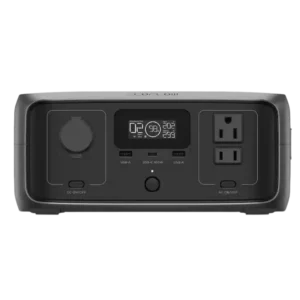
The squat footprint fits neatly in vehicles, cabinets, and tight home-office spaces. Plug spacing and the wide shape are less ideal for some setups.
Pros: overall product satisfaction, portability
Cons: specification accuracy, display readability
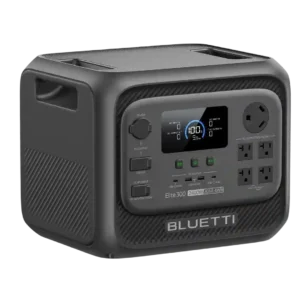
The refined footprint fits shelves, vans, and storage spaces more easily than older high-capacity Bluetti models.
Pros: compactness, load handling
Cons: weight, battery expandability
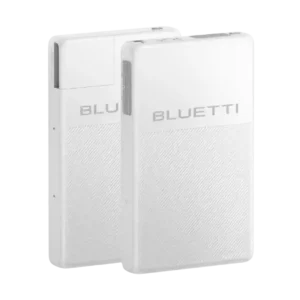
The footprint is unusually flat but still wide and heavy, so cabinet clearance and surface strength matter. In the right space it saves floor area; in cramped kitchens it can...
Pros: overall product satisfaction, runtime
Cons: weight, DC output
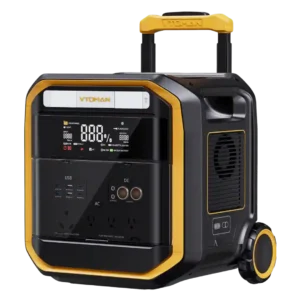
The footprint is compact relative to capacity, yet still large enough to be awkward on counters or in tight rooms. Its tall, deep body needs deliberate storage space.
Pros: overall product satisfaction, recharge speed
Cons: weight, lifting ease
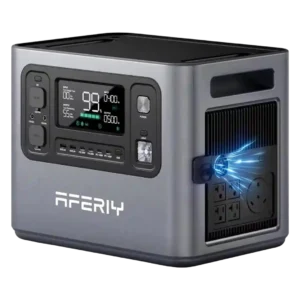
The P280 is reasonably compact for 2kWh but larger than some direct rivals, so vehicle or home placement still needs planning.
Pros: overall product satisfaction, battery expandability
Cons: weight, built-in light
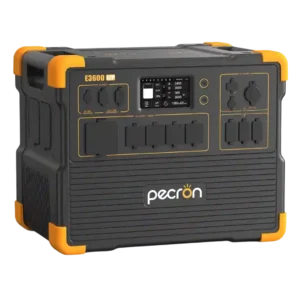
The footprint is large and visually bulky, although some owners still find it manageable when left in place.
Pros: overall product satisfaction, value for money
Cons: long-term reliability, noise level
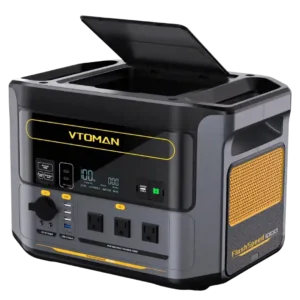
The broad, tall enclosure is larger than expected for an 828Wh station, even though the flat top adds useful workspace.
Pros: overall product satisfaction, AC charging speed
Cons: weight, display readability
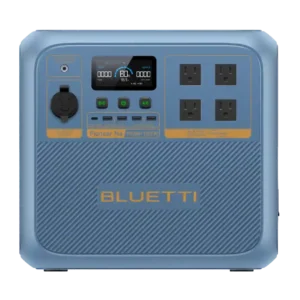
The most consistent physical drawback is size: sodium-ion stores less energy per volume, leaving the Pioneer Na bulkier than similarly capable LFP stations.
Pros: overall product satisfaction, cold-weather performance
Cons: value for money, weight
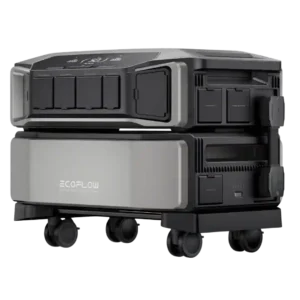
A multi-battery installation occupies meaningful floor space, so buyers planning a large stack should measure the intended utility or garage location before ordering.
Pros: overall product satisfaction, value for money
Cons: customer support, shipping speed