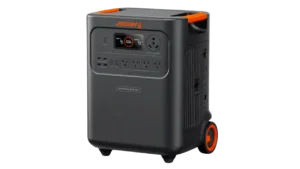
The footprint was repeatedly praised as unusually manageable for a roughly 3.6kWh home-backup station.
Pros: output stability, voltage regulation
Cons: DC output, 12-volt outlet

The footprint was repeatedly praised as unusually manageable for a roughly 3.6kWh home-backup station.
Pros: output stability, voltage regulation
Cons: DC output, 12-volt outlet
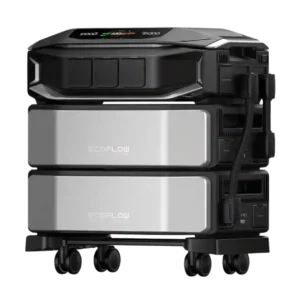
EcoFlow roughly doubles the inverter capability without making the main casing proportionally larger, which reviewers see as an impressive packaging achievement for a residential-scale power system.
Pros: output stability, voltage regulation
Cons: solar cable compatibility, UPS functionality
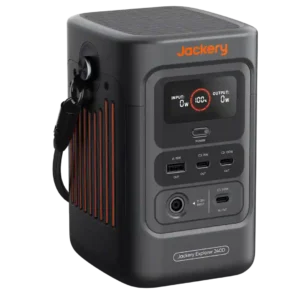
The older Explorer 240's smaller footprint was already a strength, and the 240D pushes the concept further with an even narrower DC-only body.
Pros: power output, rated output
Cons: AC outlet count, repairability
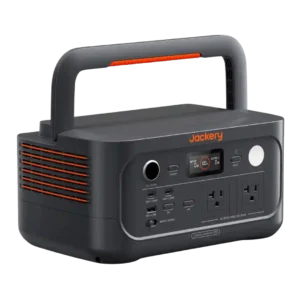
The lunch-box-like footprint is a major advantage, giving the station meaningful capacity without taking up much room.
Pros: output stability, pure sine wave output
Cons: remaining runtime estimate, Bluetooth connectivity
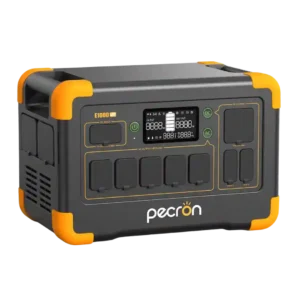
The power-to-size ratio is a strong point, providing 1,800W output and 1kWh-class storage without an oversized enclosure.
Pros: inverter quality, LiFePO4 battery
Cons: idle noise, built-in light
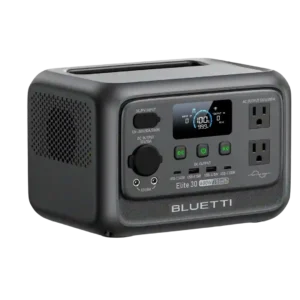
The body is small enough for desks, tents, vehicles, and storage shelves while still housing a 600W inverter. It occupies far less space than larger backup stations.
Pros: rated output, output stability
Cons: over-voltage protection, cold-weather performance
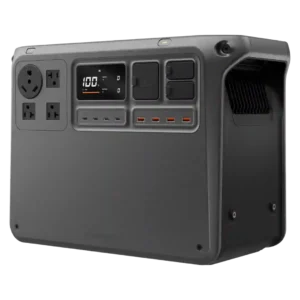
Its relatively small footprint was praised for packing substantial power into limited space.
Pros: rated output, peak output
Cons: startup reliability, full-load noise
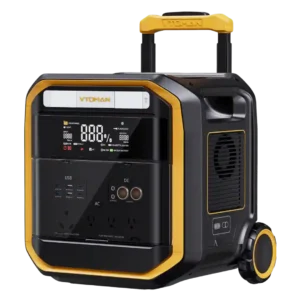
The footprint is compact relative to capacity, yet still large enough to be awkward on counters or in tight rooms. Its tall, deep body needs deliberate storage space.
Pros: power output, surge capacity
Cons: specification accuracy, peak output
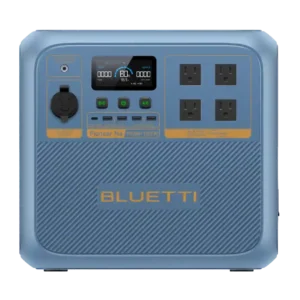
The most consistent physical drawback is size: sodium-ion stores less energy per volume, leaving the Pioneer Na bulkier than similarly capable LFP stations.
Pros: pure sine wave output, startup performance
Cons: MPPT controller performance, battery expandability