Best for upgrade system
Monster Hunter Stories 3: Twisted Reflection
5.0 feature score
Highest scored product for this feature based on supporting review evidence.

Highest scored product for this feature based on supporting review evidence.
Balances feature score, supporting reviews, and overall product strength.
Has the broadest review evidence for this feature.
Strongest overall product among items with scored evidence for this feature.
Showing Gaming Products only. Switch back to all Video Games anytime.

Monstie genes, freely rearrangeable builds, equipment upgrades, decorations, and habitat bonuses make experimentation unusually flexible and rewarding.
Pros: puzzle design, level design
Cons: crash stability, multiplayer design
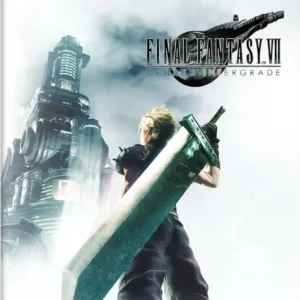
Weapon upgrades and Materia builds encourage experimentation and weakness-based planning.
Pros: controls responsiveness, movement feel
Cons: camera behavior, physical copy condition

Gear upgrades are satisfying because they visibly and statistically strengthen the party, adding another useful layer to equipment customization.
Pros: mission design, sandbox freedom
Cons: movement feel, aiming precision

The upgrade system is strongly praised for deep tuning, auto-upgrade convenience, stat changes, and broad customization freedom.
Pros: controls responsiveness, movement feel
Cons: tutorial quality, animation quality

Upgrade systems are praised for breadth and power growth, especially arcana and meta progression, with reviewers emphasizing flexibility.
Pros: skill tree depth, dialogue quality
Cons: emotional impact, economy and resource balance
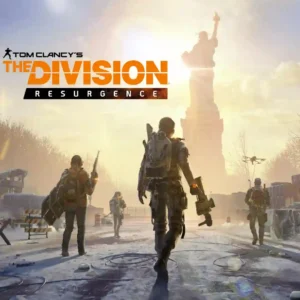
Quick equip and item leveling make upgrades convenient, useful, and capable of keeping favorite gear relevant.
Pros: exploration quality, sandbox freedom
Cons: mission variety, companion AI
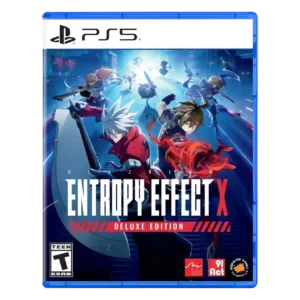
The upgrade system is a major strength, with Potentials, tactics, elements, inheritance, and build crafting repeatedly praised.
Pros: movement feel, skill tree depth
Cons: menu usability, HUD clarity
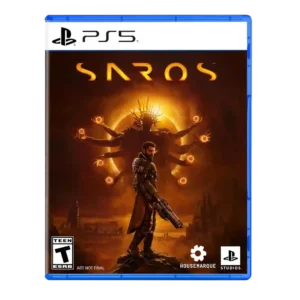
The upgrade system was praised for making attempts feel worthwhile and improving approachability.
Pros: value for money, fun factor
Cons: map and navigation design, side character depth
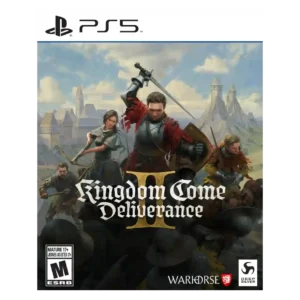
The revised perk and upgrade system was praised for offering meaningful upside-focused choices rather than weak side-grades.
Pros: soundtrack quality, fun factor
Cons: checkpoint system, family friendliness

The upgrade system is praised for meaningful amulets, combat additions, and flexible build choices that alter playstyle.
Pros: graphics quality, environmental detail
Cons: bug frequency, dialogue quality

Upgrade systems are praised for flexible perks and incentives that help tailor traversal, stealth, and combat approaches.
Pros: animation quality, facial animations
Cons: quest design, AI behavior

Upgrades are praised for being tied to exploration, weapons, armor, charms, and mastery activities rather than pure XP grinding.
Pros: movement feel, environmental detail
Cons: puzzle design, age appropriateness

Upgrade systems were praised when ability unlocks felt impactful, while costume boosts were seen as more situational.
Pros: gameplay mechanics, world interactivity
Cons: economy and resource balance, enemy variety

The upgrade system had one strong supporting review that described the RPG elements behind skill growth as simple but satisfying.
Pros: accessibility options, protagonist appeal
Cons: frame rate stability, polish

Raising a personally caught team still feels rewarding, especially when training pays off in visible level growth and evolution.
Pros: boss design, side character depth
Cons: monetization fairness, originality

The upgrade system earned strong praise for a meaningfully improved Craft upgrading system.
Pros: facial animations, polish
Cons: grind level, stealth mechanics

New skills, equipment, and upgraded Bloom Arts appear capable of changing how encounters are handled. The system looks flexible and rewarding, but long-term upgrade balance is still unknown.
Pros: soundtrack quality, value for money
Cons: onboarding experience, aiming precision
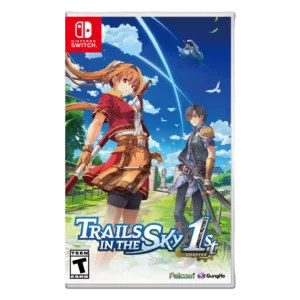
Upgrade systems were viewed positively for making gear and Orbment improvements easier and more convenient.
Pros: protagonist appeal, art direction
Cons: camera behavior, tutorial quality
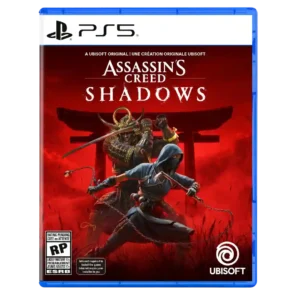
Upgrades are generally praised, especially the Forge, weapon improvement, and approachable base-linked progression.
Pros: environmental detail, cross-save support
Cons: writing quality, enemy variety
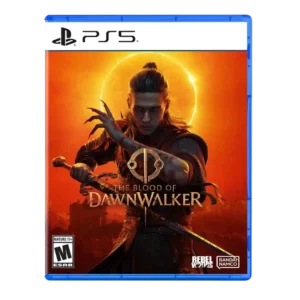
The upgrade system was praised through special abilities that can shift combat momentum.
Pros: core gameplay loop, replay value
Cons: value for money, difficulty balance

Crests, tools, and upgrades are widely seen as flexible and creative, though a few reviews found early limitations or resource-linked tool use frustrating.
Pros: core gameplay loop, world interactivity
Cons: loot system, accessibility options
Upgrade systems receive positive evidence for direct SDU upgrades and inventory-capacity improvements tied to collectibles.
Pros: sandbox freedom, art direction
Cons: polish, save system reliability

Upgrade systems are praised for Jackdaw alternate-fire options, new ship upgrades, and more tactical flexibility.
Pros: core gameplay loop, visual effects quality
Cons: monetization fairness, microtransaction impact

The character upgrade system is viewed as more nuanced and strategic than Remake's approach.
Pros: world-building, art direction
Cons: mission design, stealth mechanics
Upgrades were generally praised as meaningful because scarce cores, suit boosts, and weapon improvements forced real tradeoffs.
Pros: core gameplay loop, emotional impact
Cons: checkpoint system, bug frequency
weapon upgrades and attachments were praised for making weapons improve and change meaningfully.
Pros: haptic feedback integration, performance optimization
Cons: pacing, microtransaction impact
Weapon upgrading was described as a useful part of the broader equipment loop.
Pros: monetization fairness, microtransaction impact
Cons: platforming precision, menu usability

Upgrade and Mega-related systems were praised when Mega Evolution felt improved, but some reviewers reduced it to a stat boost button.
Pros: crash stability, gameplay mechanics
Cons: AI behavior, monetization fairness

The revised upgrade structure is more streamlined and convenient than before, although simplification reduces some of the depth found in other entries.
Pros: controls responsiveness, movement feel
Cons: casting choices, grind level
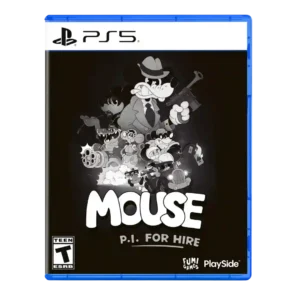
Weapon upgrades are simple, visually satisfying, and useful for unlocking alternate fire modes. The system works well but offers less depth than players seeking elaborate builds may expect.
Pros: lore depth, user interface design
Cons: AI behavior, aiming precision
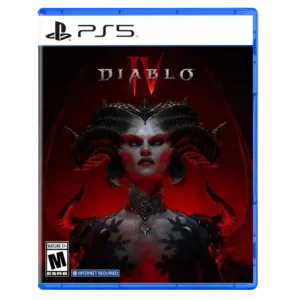
Upgrade-related evidence was positive overall, especially around Talismans and loadout tailoring, though one reviewer had not yet found thrilling pieces.
Pros: lore depth, art direction
Cons: mission variety, protagonist appeal
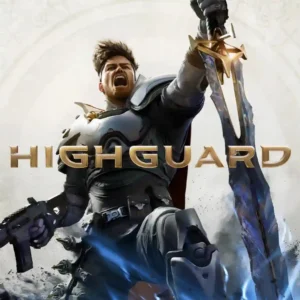
Higher-rarity weapons can become noticeably more interesting and better to control, giving later rounds a stronger sense of escalation.
Pros: controls responsiveness, level design
Cons: world interactivity, dialogue quality
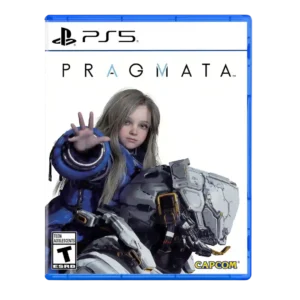
Upgrade systems are useful and rewarding, though one reviewer disliked that the full weapon suite waits until New Game Plus.
Pros: bug frequency, user interface design
Cons: HUD clarity, mission design
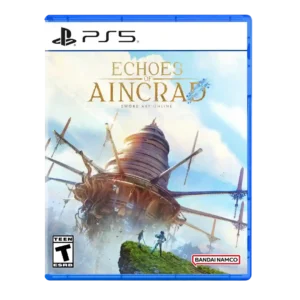
Upgrade systems were viewed positively, especially weapon customization and EX mod transfer, though evidence is still preview-limited.
Pros: environmental detail, art direction
Cons: world interactivity, loot system
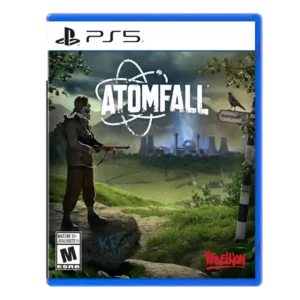
Upgrade system evidence was limited but positive, with weapon improvement through crafting described as helpful.
Pros: art direction, frame rate stability
Cons: boss design, camera behavior

Upgrade flow is praised for unlocking abilities, materials, and schematics as players move between Lives.
Pros: load times, crash stability
Cons: originality, voice acting

Road Trip's upgrade choices added strategic balancing, asking players to build a well-rounded machine rather than chase one stat blindly.
Pros: flying mechanics, exploration quality
Cons: AI behavior, boss design

The upgrade system earned praise in one review for later enhancements that made positioning and cooldown management more interesting.
Pros: atmosphere, voice acting
Cons: world interactivity, camera behavior

The upgrade and medallion systems often added build variety, but some reviewers felt individual upgrades were basic or underwhelming.
Pros: crash stability, HUD clarity
Cons: character development, visual effects quality

Upgrades usually feel consequential, especially reload speed, health, damage, and Bastard improvements. Resource limits and late grinding keep a few reviewers from enjoying the system as much.
Pros: world interactivity, immersion
Cons: AI behavior, handheld play suitability
Upgrade materials are plentiful enough to support weapon experimentation, and strengthening gear can meaningfully change difficulty. Some reviewers still dislike the resource competition or how quickly upgrades trivialize content.
Pros: world-building, sound design
Cons: multiplayer design, frame rate stability

Upgrade and customization systems are useful and sometimes deep, but several reviewers note familiar options, criticism around customization limits, or overwhelming tuning.
Pros: open-world design, replay value
Cons: dialogue quality, writing quality
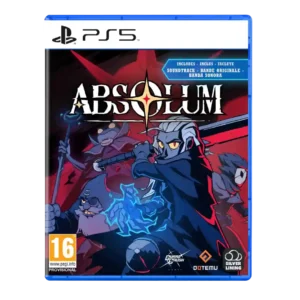
Upgrade systems offered build variety and experimentation, but reviewers split over random, temporary, or underwhelming upgrades.
Pros: mission design, world interactivity
Cons: quest design, endgame content
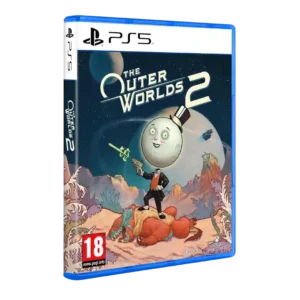
Weapon and gear upgrades were usually liked for customization, but some reviewers found mod limits or specific systems clunky.
Pros: world-building, mission design
Cons: mission variety, enemy variety

Dual Badges add useful build flexibility by combining two abilities, creating new movement and difficulty options. Some writers think they are overpowered, make base badges redundant, or are not explored...
Pros: controls responsiveness, voice acting
Cons: matchmaking quality, user interface design

Technique points were described as a useful early upgrade advantage, though not as a deep system.
Pros: environmental detail, graphics quality
Cons: gameplay mechanics, emotional impact
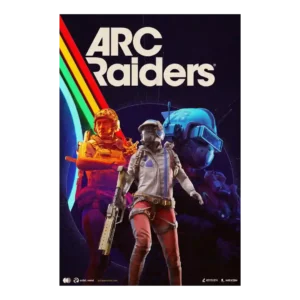
Upgrades and workbenches add depth, but unclear item requirements and workshop friction made the system less smooth.
Pros: frame rate stability, platform-specific feature support
Cons: voice acting, writing quality

Upgrade system was mixed: reviewers liked easy, useful upgrades and new moves but criticized weapon upgrading as resource-heavy or boring.
Pros: animation quality, multiplayer design
Cons: save system reliability, companion AI
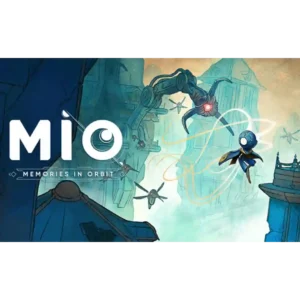
The upgrade and modifier structure supports flexible builds, but some decisions are deliberately harsh, including health or interface tradeoffs. Strong movement and utility upgrades can feel excellent even when the...
Pros: level design, content variety
Cons: checkpoint system, lore depth

Upgrade systems were appreciated for strategic trade-offs and natural-feeling growth, but a few reviewers found the mechanics minor or confusing.
Pros: voice acting, emotional impact
Cons: family friendliness, menu usability