Best for world-building
A Knight of the Seven Kingdoms, Season 1
5.0 attribute score
Highest scored product for this attribute based on supporting review evidence.

Highest scored product for this attribute based on supporting review evidence.
Balances the attribute score, supporting reviews, and overall product strength.
Has the broadest review evidence for this attribute.
Strongest overall product among items with scored evidence for this attribute.
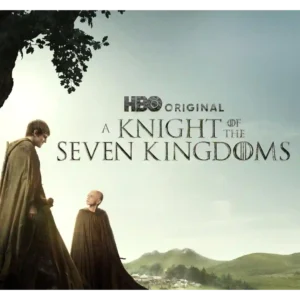
By focusing on hedge knights, commoners, tourney workers, food, money, and local politics, the show makes Westeros feel newly lived-in. Its smaller lens expands the world instead of shrinking it.
Pros: story quality, entertainment value
Cons: violence level, editing quality

Sterling Point itself is a major attraction, with reviewers responding to the no-signal island bubble, local routines, cottage culture, and lived-in sense of place.
Pros: dialogue quality, theme depth
Cons: character balance, sexual content level
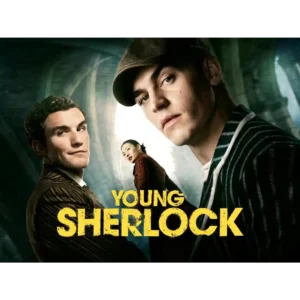
Oxford, the Holmes family estate, Paris, Constantinople, and the wider Victorian setting create a rich, expansive adventure world that reviewers find immersive.
Pros: entertainment value, cast chemistry
Cons: faithfulness to source material, plot clarity

The season expands the vampire world and supernatural stakes while retaining a lived-in feel. Its best mythology additions deepen the central relationships rather than functioning as lore for its own...
Pros: soundtrack quality, story quality
Cons: season pacing, character balance

The Victorian East End feels increasingly lived-in, with rivalries, streets, institutions, and social pressures forming a convincing world around the characters.
Pros: character development, story quality
Cons: character balance, episode pacing

Baghdad and the later California homes feel inhabited and specific, with street textures and domestic details grounding the story in recognizable lived environments.
Pros: theme depth, emotional impact
Cons: screenplay quality, pacing
Distinct homes, landscapes, class spaces, and color palettes give the series a vivid sense of place, especially across Possum Gully, Caddagat, and Five Bob Downs.
Pros: main cast performance, entertainment value
Cons: plot originality, sexual content level

Moving deeper into Roman politics while rebuilding Capua’s social and gladiatorial ecosystem is praised for expanding the franchise without abandoning its familiar foundations.
Pros: franchise connection, character development
Cons: story quality, sexual content level
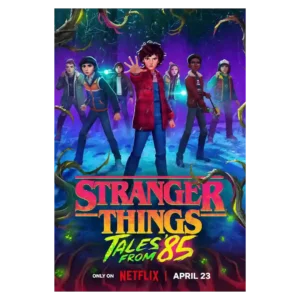
Animated Hawkins is richly realized, preserving familiar locations while adding snowy streets, vivid interiors, and a slightly heightened storybook quality.
Pros: entertainment value, animation quality
Cons: spin-off quality, acting quality

New characters and a broader newsroom ecosystem help the season feel like its own populated comedy world rather than a thin extension of Dunder Mifflin.
Pros: humor, franchise connection
Cons: story quality, character balance

Hillman feels like a living contemporary campus, with traditions, pressures and community details that make the setting easy to enter.
Pros: spin-off quality, cultural representation
Cons: romance quality, season pacing

Production design was singled out for making cramped radio offices and Tony’s apartment feel lived-in rather than stagebound, creating some of the series’ strongest world-building.
Pros: theme depth, story quality
Cons: season pacing, writing quality

The campus and South Asian dance community feel specific and lived-in, with tradition and experimentation presented as parts of the same evolving culture.
Pros: dance choreography, cultural representation
Cons: plot originality, romance quality

The camp’s Christian façade, secret coven culture, and enchanted woodland imagery create a distinctive microcosm. The world feels larger and more alluring than the modest budget suggests.
Pros: visual style, cinematography
Cons: pacing, ending satisfaction

Los Angeles is treated almost like another lead, with highways, beaches, luxury spaces, and street-level contrasts making the city feel integral to the characters and crime story.
Pros: action sequences, genre satisfaction
Cons: originality, runtime

The pilot efficiently establishes the characters and their surroundings while trusting the audience to keep up.
Pros: entertainment value, theme depth
Cons: realism, plot originality

The stylized world is praised for being unusually detailed and visually coherent, with production design creating a heightened environment full of distinctive character and texture.
Pros: lead performance, production design
Cons: humor, message quality

The peculiar dialogue, brand-heavy suburbia, specific habits, and recurring visual details create a world that feels intentionally strange despite its mundane setting.
Pros: main cast performance, humor
Cons: genre satisfaction, episode pacing
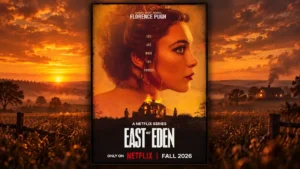
The changing turn-of-the-century environment feels immersive, with technology, landscapes, homes, and social pressures helping the decades-spanning story feel inhabited.
Pros: main cast performance, story quality
Cons: character balance, episode pacing

The strange anti-tech world is compelling enough to inspire interest in spending more time with the premise and its characters.
Pros: entertainment value, humor
Cons: message quality, runtime

The early portrait of contemporary Tokyo, ballroom culture, multilingual relationships, and home life creates a vivid social world that carries through the film.
Pros: lead performance, entertainment value
Cons: story quality, character development

The show’s accumulated world is strong enough that critics describe fans as having fallen in love with it, making the farewell-tour callbacks and returns feel meaningful.
Pros: humor, finale satisfaction
Cons: realism, season pacing

A vivid sense of the wilderness draws viewers into the trip and makes the environment feel central to the story.
Pros: cinematography, emotional impact
Cons: story quality, pacing

A favorable review credits the visual details, military locations, offices, and interrogation rooms with transporting viewers into Nixon’s investigative world.
Pros: story quality, main cast performance
Cons: season pacing, character balance

The new status quo is seen as an inviting foundation for future stories, with new jobs, relationships, living arrangements, and returning corners of Arlen creating room to expand.
Pros: franchise connection, character development

The detailed spycraft, institutional hierarchy, and international stakes create an immersive intelligence world. When the exposition lands, the specificity makes the operations feel layered rather than simplified.
Pros: action quality, main cast performance
Cons: dialogue quality, episode structure

Small adaptation changes and the layered family, wrestling, church, college, and creator communities expand the story beyond its central premise.
Pros: audience appeal, character development
Cons: season pacing, season length

The ocean, mythology, village life, and animated flourishes create a colorful world between live action and fantasy. The cultural specificity is more convincing than the digital physicality.
Pros: soundtrack quality, chemistry between characters
Cons: originality, visual style

The broader criminal and political world is praised for feeling more developed, with added layers around both the Harrigans and the forces moving against them.
Pros: story quality, entertainment value
Cons: season pacing, visual style

The underground reptile market is explored with unusual depth, giving viewers a detailed sense of its dealers, transport methods, law-enforcement response, and hidden international network.
Pros: theme depth, story quality
Cons: season length, franchise connection

One especially positive take says the Horsemen’s world finally feels like it has real weight and consequence. That added cohesion makes the franchise mythology feel less disposable than before.
Pros: entertainment value, action sequences
Cons: genre satisfaction, realism

The government-conspiracy and super-soldier mythology has real hook, and at least one reviewer considered the surrounding world-building a major strength.
Pros: lead performance, entertainment value
Cons: action sequences, ending satisfaction

The Tau Ceti material and alien design give the adventure convincing scale, with space sequences praised as stunning and the science-world detail easy to buy into.
Pros: lead performance, story quality
Cons: runtime, tonal consistency

One reviewer specifically praises how game logic and escalating set pieces become part of the movie’s world-building, making its rules feel organically tied to the experience.
Pros: lead performance, entertainment value
Cons: ending satisfaction, character development
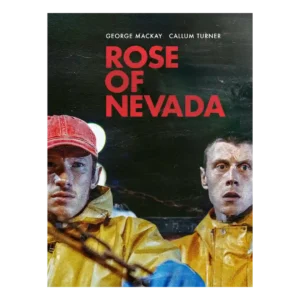
The film makes the supernatural and the everyday feel inseparable, with the village’s labor, family roles, objects, and rituals forming the rules of its temporal world. The setting feels both...
Pros: sound design, visual style
Cons: plot clarity, pacing

The mystery world feels unusually expansive, with one review praising its lore as dense enough to rival much larger fictional universes. That richness also contributes to the show’s complexity.
Pros: entertainment value, story quality
Cons: plot clarity, finale satisfaction
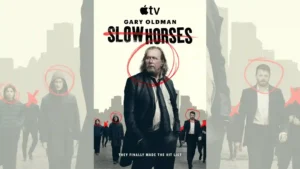
The season continues to expand the grimy MI5 ecosystem while keeping its institutional rules, rivalries, and history central to the plot. One review specifically praised the sharp world-building behind the...
Pros: main cast performance, humor
Cons: plot originality

Faithful environments, dorms, and game spaces make the reality competition feel unusually immersive for a game-show format.
Pros: emotional impact, plot originality
Cons: entertainment value, character likability

The supporting performances and lived-in interiors help Oyster Bay and the Jarvis orbit feel dirty, textured, and authentic rather than like a generic prestige-thriller backdrop.
Pros: bingeability, main cast performance
Cons: plot twists, writing quality

The friends and campus details make Olive’s world feel larger than her romance.
Pros: chemistry between characters, entertainment value
Cons: character development, romance quality

The show’s world is praised for feeling elegant yet suffocating, a strong tonal fit for a story built around control, status, and seduction.
Pros: visual style, character development
Cons: faithfulness to source material, season pacing

The fake Camp Miasma franchise feels unusually complete thanks to its opening montage, props, sequels, lore and period textures. That invented horror history is repeatedly cited as one of the...
Pros: genre satisfaction, theme depth
Cons: plot clarity, ending satisfaction

Nickerson Gardens and the surrounding Watts community feel lived-in, loving, and socially textured rather than merely used as backdrop. The neighborhood itself becomes a vivid emotional environment for Lil Ant’s...
Pros: theme depth, visual style
Cons: pacing, screenplay quality

Winterlight is one of the film’s clearest successes, with an inviting small-town community, whimsical holiday identity, and lived-in seasonal atmosphere. The family home and town details create a convincing Christmas...
Pros: supporting cast performance, lead performance
Cons: humor, genre satisfaction

The country club becomes a vivid self-contained world, with small side stories, labor routines, sound, and spatial detail making its hierarchy and artificiality feel immersive.
Pros: visual style, directing quality
Cons: pacing, audience appeal

The interconnected households, church, school, and neighborhood feel fully formed quickly, making it easy to settle into the characters' shared lives.
Pros: entertainment value, renewal interest
Cons: age appropriateness, character consistency

The remote woods, local legends, sinister businesses, and mansion rituals create a strange, specific pocket of reality that feels richer than a generic cabin setting.
Pros: suspense, theme depth
Cons: season pacing, story quality

The series’ streets, neighborhoods, music spaces, gang tensions, and industry setting are repeatedly praised for feeling vivid and alive.
Pros: franchise connection, story quality
Cons: episode pacing, season pacing

Harvard, start-up spaces, and legal rooms feel like specific, lived-in environments. Their detail and atmosphere help make a fast-changing story immersive.
Pros: screenplay quality, directing quality
Cons: historical accuracy, Portrayal of women

The 1933 wilderness and labor-camp setting are often described as immersive, lived-in, and carefully developed, giving the heist real social and physical context.
Pros: lead performance, suspense
Cons: character development, pacing