Best for handheld play suitability
Elder Scrolls V: Skyrim
5.0 feature score
Highest scored product for this feature based on supporting review evidence.

Highest scored product for this feature based on supporting review evidence.
Balances feature score, supporting reviews, and overall product strength.
Has the broadest review evidence for this feature.
Strongest overall product among items with scored evidence for this feature.
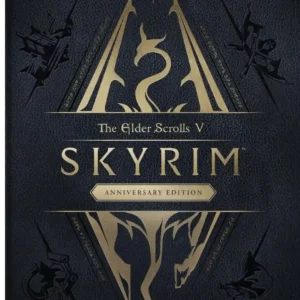
Portable Skyrim is repeatedly singled out as a major success. Switch and Switch 2 versions make the huge world easy to dip into anywhere while preserving strong image quality and...
Pros: gameplay mechanics, core gameplay loop
Cons: camera behavior, haptic feedback integration

Portable play is a good fit, especially on Steam Deck and Switch hardware. Steam Deck performance drew particularly strong praise, while Switch 2 was seen as convenient but not the...
Pros: mission design, upgrade system
Cons: family friendliness, onboarding experience
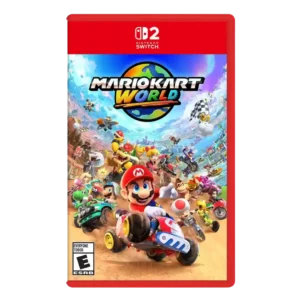
Handheld play suitability was excellent in the reviewed evidence, with docked and handheld play described as smooth and visually strong.
Pros: animation quality, sound design
Cons: difficulty balance, AI behavior

The fast stages, modest session length, and light technical demands make the game an especially good fit for portable systems such as Steam Deck and Switch-style hardware.
Pros: monetization fairness, handheld play suitability
Cons: economy and resource balance, enemy variety
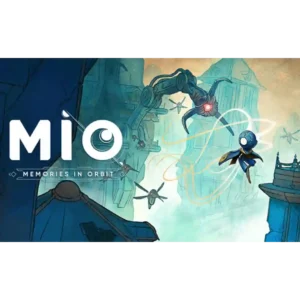
The game translates very well to handheld play when performance is configured properly. Steam Deck and Switch 2 accounts both highlight smooth portable play without sacrificing the game’s visual appeal.
Pros: level design, content variety
Cons: checkpoint system, lore depth
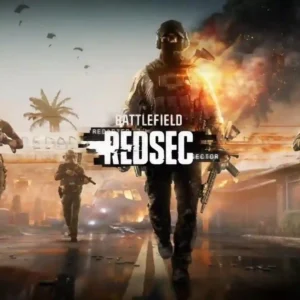
Gauntlet worked well on PlayStation Portal and looked strong on the handheld screen in the one direct test.
Pros: controls responsiveness, sandbox freedom
Cons: frame rate stability, user interface design

Handheld suitability was positive, with one reviewer saying the game looks great both handheld and docked.
Pros: gameplay mechanics, world interactivity
Cons: economy and resource balance, enemy variety
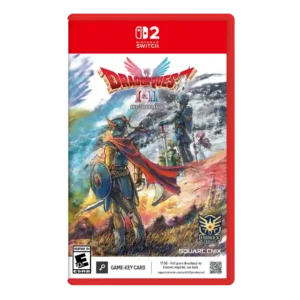
Steam Deck play was praised as an ideal way to experience the remakes, helped by performance and save support.
Pros: visual effects quality, environmental detail
Cons: AI behavior, level design
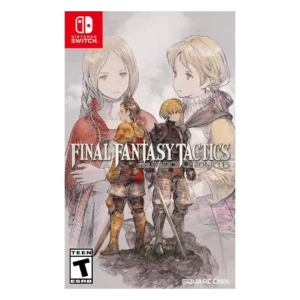
Steam Deck and Switch 2 impressions were very positive, with portable play described as smooth and well-suited.
Pros: emotional impact, polish
Cons: bug frequency, crash stability
PlayStation Portal is singled out as an excellent fit, with the smaller screen making the map, pixel art, and side-scrolling action feel more natural and visually cohesive.
Pros: accessibility options, checkpoint system
Cons: economy and resource balance, AI behavior
Switch 2 handheld mode is singled out as the strongest way to play that port, smoothing over visual cutbacks while preserving the experience on the go.
Pros: visual effects quality, user interface design
Cons: monetization fairness, bug frequency
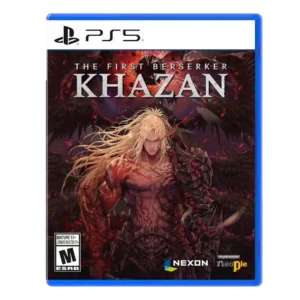
Handheld suitability is praised where Steam Deck play is discussed.
Pros: core gameplay loop, controls responsiveness
Cons: mission design, learning curve
Valheim is described as exceptionally well suited to handheld play, with its scalable visuals and session-friendly sandbox structure fitting the format.
Pros: core gameplay loop, movement feel
Cons: economy and resource balance, map and navigation design
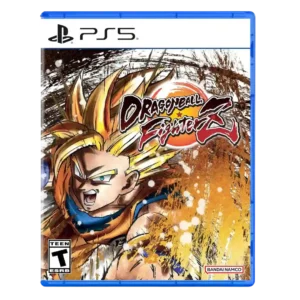
Handheld suitability is a major Switch strength, with reviewers praising portability, commute play, and handheld practice despite occasional resolution or controller caveats.
Pros: movement feel, world-building
Cons: save system reliability, mission variety
Steam Deck and Switch 2 coverage is notably positive, with playable performance and strong visuals on the go despite heavier battery or CPU load in Eastern Kyoto.
Pros: bug frequency, crash stability
Cons: economy and resource balance, open-world design
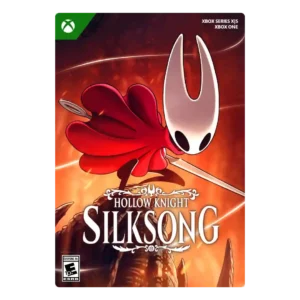
Handheld suitability has positive evidence from Steam Deck performance and battery life comments.
Pros: core gameplay loop, world interactivity
Cons: loot system, accessibility options
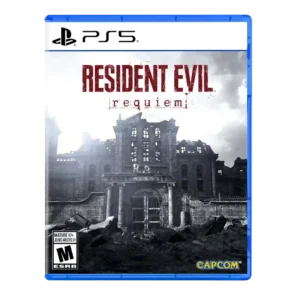
Handheld suitability was praised because the Switch 2 version looked and ran well both docked and handheld.
Pros: driving mechanics, protagonist appeal
Cons: platform-specific feature support, checkpoint system
Portability is the defining strength: reviewers call handheld play viable, convenient, or the best portable way to play.
Pros: controls responsiveness, movement feel
Cons: camera behavior, physical copy condition

Short routes, frequent saving, compact battles, and a portable-first structure make FireRed and LeafGreen especially comfortable in handheld play.
Pros: boss design, side character depth
Cons: monetization fairness, originality
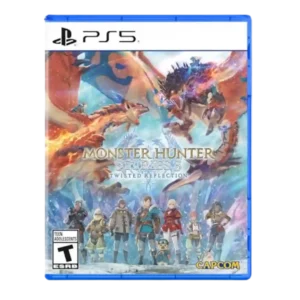
Despite Switch 2 performance compromises, the turn-based structure and portable play fit the game well, and several players specifically liked it as a handheld experience.
Pros: puzzle design, level design
Cons: crash stability, multiplayer design
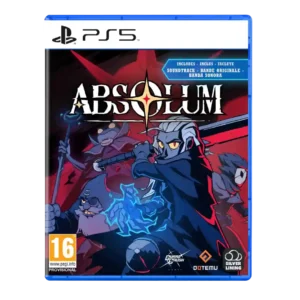
Handheld suitability was positive, especially for Steam Deck and Switch, despite small-text and co-op screen caveats.
Pros: mission design, world interactivity
Cons: quest design, endgame content
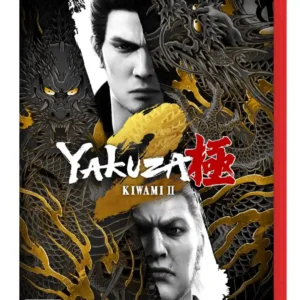
Portability is a major selling point of the Switch 2 version. Reviewers liked having the full Yakuza experience on the go, even when they preferred other platforms for smoother performance.
Pros: controls responsiveness, exploration quality
Cons: QTE design, camera behavior
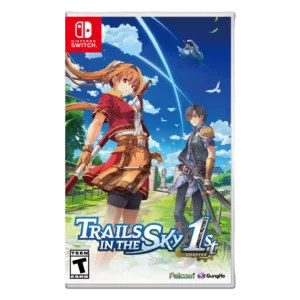
Handheld play suitability was praised across Switch/TV, Steam Deck, and short-burst play impressions.
Pros: protagonist appeal, art direction
Cons: camera behavior, tutorial quality
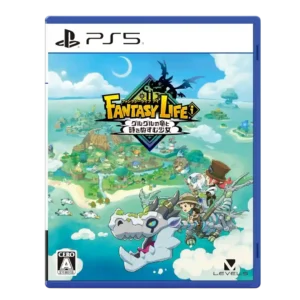
Handheld play is praised strongly on Steam Deck and PC handhelds, with some battery caveats elsewhere.
Pros: load times, crash stability
Cons: originality, voice acting
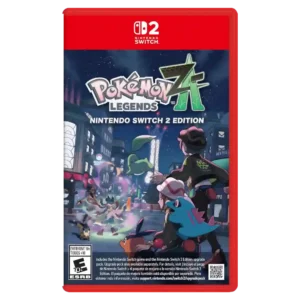
Handheld play suitability was positive in the reviews that tested handheld play, especially on Switch 2.
Pros: crash stability, gameplay mechanics
Cons: AI behavior, monetization fairness
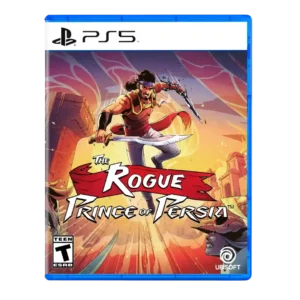
Handheld suitability was praised on ROG Ally and Switch 2 thanks to crisp visuals and run-based structure.
Pros: crash stability, HUD clarity
Cons: character development, visual effects quality

Portability is the edition’s defining advantage. Most reviewers enjoy exploring, grinding, or tackling shorter objectives in handheld mode, though battery drain, small text, darker scenes, and Joy-Con comfort can limit...
Pros: gameplay mechanics, core gameplay loop
Cons: platforming precision, tutorial quality
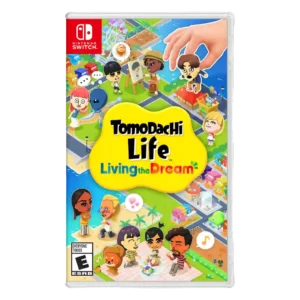
Handheld play is praised for sharp 1080p output and a portable, short-session structure that fits the game's rhythm.
Pros: grind level, originality
Cons: social features, accessibility options
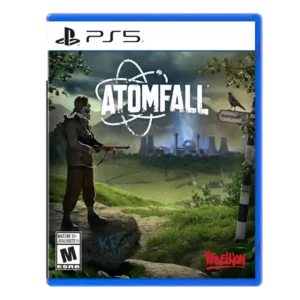
Handheld play suitability had limited but positive evidence from Steam Deck testing.
Pros: art direction, frame rate stability
Cons: boss design, camera behavior
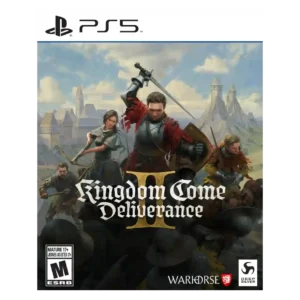
Handheld suitability was supported by one reviewer who described the game as scalable enough for handheld play.
Pros: soundtrack quality, fun factor
Cons: checkpoint system, family friendliness
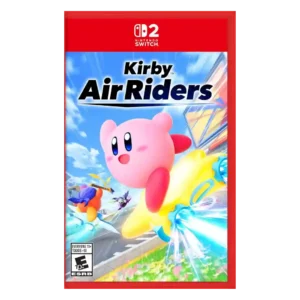
One reviewer enjoyed relaxed handheld play for completing goals and challenges.
Pros: flying mechanics, exploration quality
Cons: AI behavior, boss design
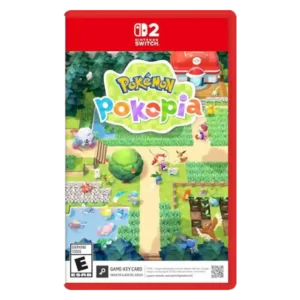
Handheld suitability was positive in the available evidence, with one reviewer saying it looked and ran great both handheld and docked.
Pros: protagonist appeal, faithfulness to franchise
Cons: map and navigation design, aiming precision
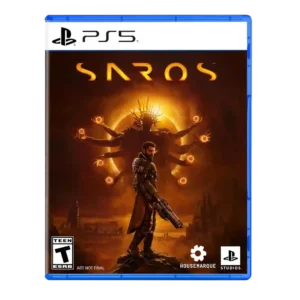
Handheld or remote play suitability had limited evidence, but one reviewer said it looked and played beautifully on PlayStation Portal.
Pros: value for money, fun factor
Cons: map and navigation design, side character depth
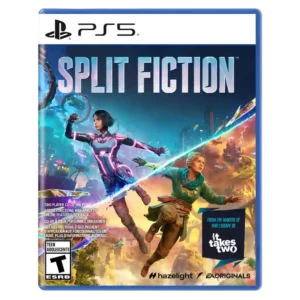
Handheld play suitability was praised for portable convenience despite technical tradeoffs.
Pros: puzzle design, level design
Cons: exploration quality, side character depth
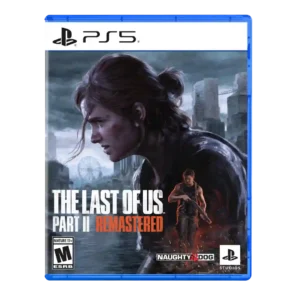
Handheld suitability was praised in one PC review because the Steam Deck version ran well enough to deserve verification.
Pros: core gameplay loop, level design
Cons: family friendliness, puzzle design
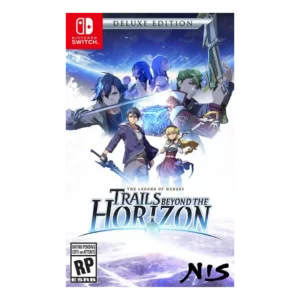
Handheld suitability was praised on Switch due to smooth handheld frame rate.
Pros: facial animations, polish
Cons: grind level, stealth mechanics
Switch 2 and Steam Deck versions are widely considered strong portable options, with smooth performance outweighing some resolution, battery, or controller compromises.
Pros: onboarding experience, faithfulness to franchise
Cons: character development, achievement list quality
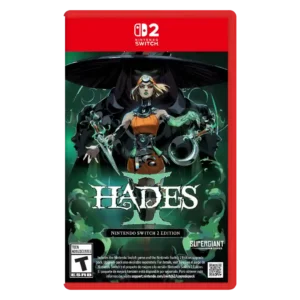
Handheld play is mostly praised on Steam Deck and portable sessions, with one Switch portable readability caveat.
Pros: skill tree depth, dialogue quality
Cons: emotional impact, economy and resource balance

Handheld play suitability was praised through the Steam Deck discussion, where the game was described as a fine portable fit.
Pros: atmosphere, voice acting
Cons: world interactivity, camera behavior
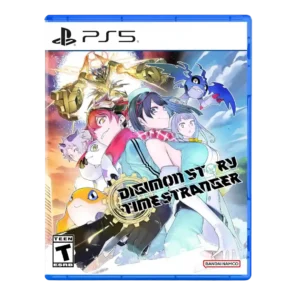
Handheld play suitability was positive overall, with reviewers saying it played well on Steam Deck despite some drops.
Pros: atmosphere, world-building
Cons: HUD clarity, fast travel convenience
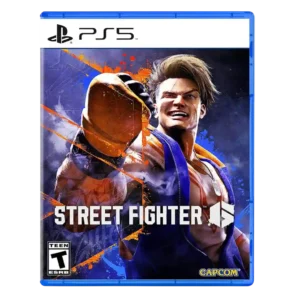
Handheld suitability was positive on Switch 2, though World Tour and visual compromises limited the result.
Pros: movement feel, art direction
Cons: platforming precision, writing quality
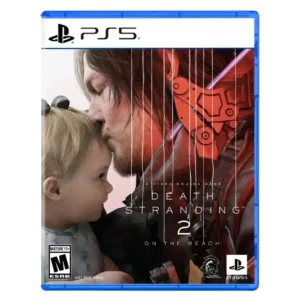
Handheld play is viable but compromised, with Steam Deck running at low resolution while ROG handheld play was issue-free.
Pros: animation quality, facial animations
Cons: quest design, AI behavior

The slow, text-heavy structure suits handheld play well, and the game remains a good Steam Deck experience once settings are adjusted.
Pros: level design, world interactivity
Cons: performance optimization, menu usability

Handheld play works well overall and the HD-2D format suits portable sessions, though one reviewer found lighting more washed out on Switch 2's handheld display.
Pros: core gameplay loop, world-building
Cons: choice impact, economy and resource balance
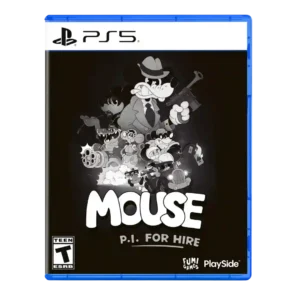
Steam Deck and Xbox Ally X players generally report smooth, comfortable portable play. The Switch 2 handheld version is much harder to recommend because of frequent frame-rate drops.
Pros: lore depth, user interface design
Cons: AI behavior, aiming precision
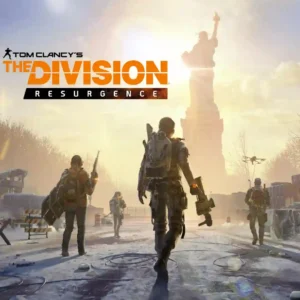
It delivers a convincing portable Division experience for short or long sessions, though small screens, older hardware, and connectivity can hold it back.
Pros: exploration quality, sandbox freedom
Cons: mission variety, companion AI
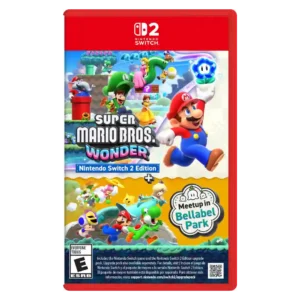
Handheld play remains smooth and attractive, and the sharper presentation carries over well away from the TV. The biggest visual gains are still more obvious in docked 4K mode.
Pros: controls responsiveness, voice acting
Cons: matchmaking quality, user interface design

Handheld play performs well, with stable performance and visuals that still look sharp on the Switch 2 screen. Reviewers who tested both modes found little compromise away from the TV.
Pros: facial animations, load times
Cons: exploration quality, puzzle design
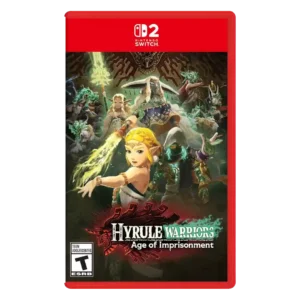
Handheld play was mixed, from strong portable performance to one reviewer finding it less impressive on a smaller screen.
Pros: animation quality, multiplayer design
Cons: save system reliability, companion AI
Handheld suitability is positive overall, with similar handheld and docked performance, though controller and visual compromises remain.
Pros: core gameplay loop, movement feel
Cons: character development, dialogue quality