Best for grind level
Call of Duty: Black Ops 7
5.0 feature score
Highest scored product for this feature based on supporting review evidence.

Highest scored product for this feature based on supporting review evidence.
Balances feature score, supporting reviews, and overall product strength.
Has the broadest review evidence for this feature.
Strongest overall product among items with scored evidence for this feature.
Players who enjoy long progression grinds have a lot to chase. Camo progression, Prestige systems, and cross-mode leveling are repeatedly praised as deep and rewarding reasons to keep playing.
Pros: soundtrack quality, load times
Cons: character development, monetization fairness
One returning reviewer specifically praises how easy it is to dive back in without facing a long, sluggish grind, while exploration and flexible leveling let players strengthen naturally.
Pros: gameplay mechanics, core gameplay loop
Cons: platforming precision, tutorial quality
Optional boosts reduce grinding, and several reviewers say the base game rarely demands it.
Pros: controls responsiveness, movement feel
Cons: camera behavior, physical copy condition
One assessment praised the progression for avoiding excessive grinding and respecting the player's time.
Pros: controls responsiveness, level design
Cons: world interactivity, dialogue quality
One reviewer specifically praises the relaxed progression for having no grind.
Pros: grind level, originality
Cons: social features, accessibility options
Progression is generally not described as chore-heavy, and the campaign lets players engage with side content without forcing excessive grinding.
Pros: tutorial quality, monetization fairness
Cons: polish, HUD clarity
Grind level was praised in one review for reducing grinding almost entirely.
Pros: protagonist appeal, art direction
Cons: camera behavior, tutorial quality
Grind level is rated positively by one reviewer who felt the game can be enjoyed at the player’s own pace without grinding.
Pros: animation quality, facial animations
Cons: quest design, AI behavior

Grind level is low-pressure because the game lets players relax and avoid forced activities.
Pros: controls responsiveness, movement feel
Cons: tutorial quality, animation quality
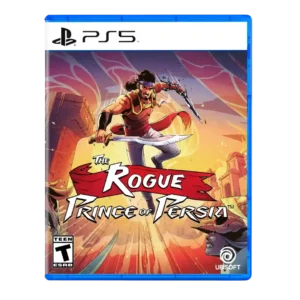
Grind level was praised as learning-focused and consistently rewarding rather than grindy.
Pros: crash stability, HUD clarity
Cons: character development, visual effects quality
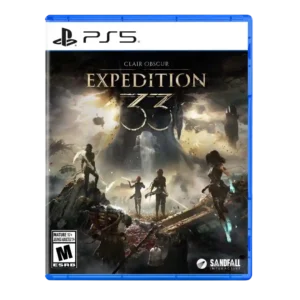
The game was praised for reducing grind through shared Picto learning and focused inventory systems, though one review still noted some padding.
Pros: monetization fairness, microtransaction impact
Cons: platforming precision, menu usability
The premium conversion generally avoids mandatory grinding and is less grind-heavy than the mobile version. Character growth still takes time, but normal progression is usually enough to keep moving.
Pros: controls responsiveness, world interactivity
Cons: DLC value, platform-specific feature support
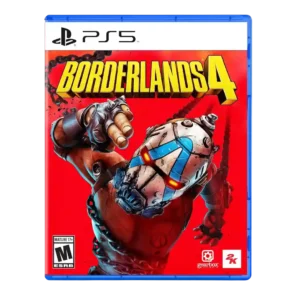
Grind level is mixed-to-positive for players who enjoy farming, but low drop chances and repeated boss farming can become a chore.
Pros: sandbox freedom, art direction
Cons: polish, save system reliability

Encounter toggles and Grade Shop XP boosts make grinding far easier to control, a widely appreciated convenience for story-focused or returning players.
Pros: crafting system, content variety
Cons: monetization fairness, endgame content
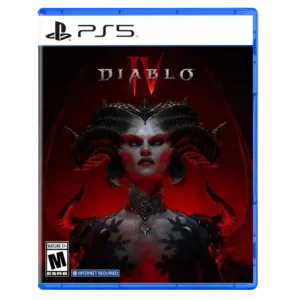
One review framed the modern grind as low-commitment and welcoming rather than punishing.
Pros: lore depth, art direction
Cons: mission variety, protagonist appeal
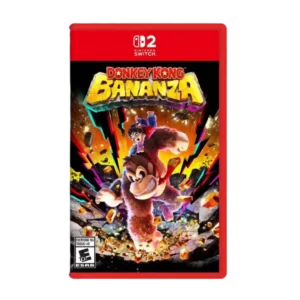
Grind level was framed positively by one reviewer who kept unlocking and collecting instead of wanting to finish.
Pros: gameplay mechanics, world interactivity
Cons: economy and resource balance, enemy variety

Grind level is moderate: showcase events reduce grind, but structure can still feel restrictive.
Pros: open-world design, replay value
Cons: dialogue quality, writing quality
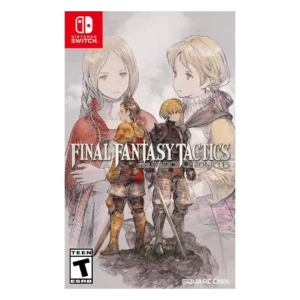
Grinding was mixed: old-school leveling remained present, but speed-up, optional encounters, and concrete goals made it easier to tolerate or enjoy.
Pros: emotional impact, polish
Cons: bug frequency, crash stability
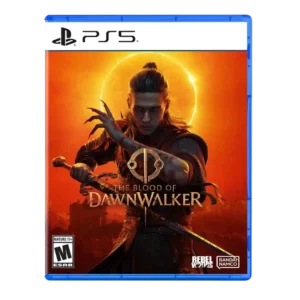
Progression generally avoids forcing long grinding sessions, though players can choose to spend time farming experience or abilities. The time system discourages excessive grinding by making many improvements compete with...
Pros: puzzle design, sound design
Cons: haptic feedback integration, controls responsiveness
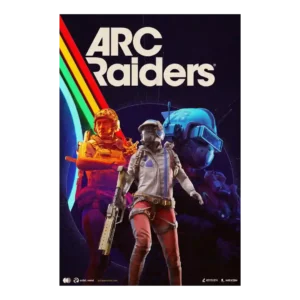
The grind was considered manageable by some and slow by others, especially around leveling and repeated recycling or upgrading.
Pros: frame rate stability, platform-specific feature support
Cons: voice acting, writing quality
Skyrim usually avoids feeling like a conventional grind because exploration and skill use produce progress naturally. Some later players still find repetitive leveling or optimization chores annoying.
Pros: gameplay mechanics, core gameplay loop
Cons: camera behavior, haptic feedback integration
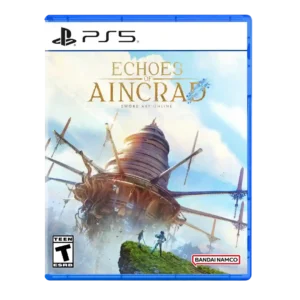
Grind level was mixed: one reviewer found the grind worthwhile through skills, while another worried the game could be too grindy.
Pros: environmental detail, art direction
Cons: world interactivity, loot system
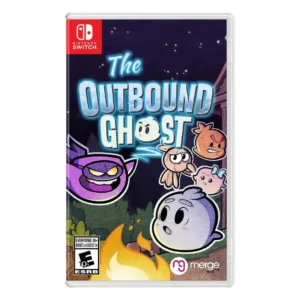
Shared party experience reduces routine grinding, although poor boss balance may still push players toward extra battles on harder settings.
Pros: progression system, onboarding experience
Cons: mission design, mission variety
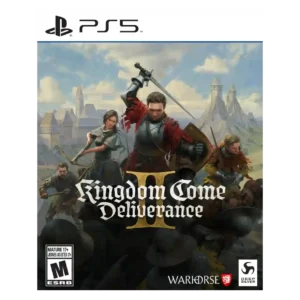
The game was not seen as a pure grind, but reviewers still emphasized the effort and repetition needed to gain traction.
Pros: soundtrack quality, fun factor
Cons: checkpoint system, family friendliness
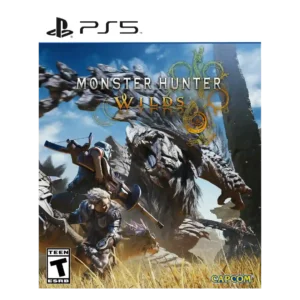
Grind level was mixed: crown and loot improvements reduced chores for some, while others still saw the loop as grind-heavy.
Pros: art direction, cross-play support
Cons: dialogue quality, monetization fairness
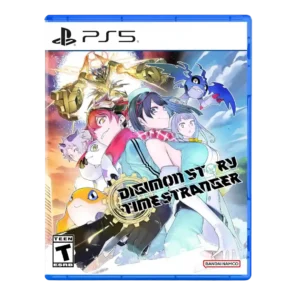
Grind level was mixed: automation and field attacks reduce friction, but leveling, complex systems, and late Digivolution still require grinding.
Pros: atmosphere, world-building
Cons: HUD clarity, fast travel convenience
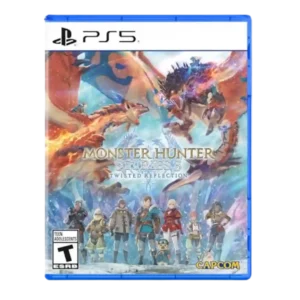
Grind varies heavily by play style and progression. Several players stayed leveled naturally through side activities, while others hit late-game stretches that demanded hours of quests, eggs, or experience farming.
Pros: puzzle design, level design
Cons: crash stability, multiplayer design
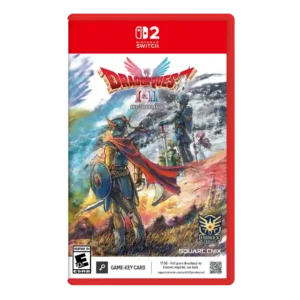
Grinding remained a concern for some reviewers, but others felt difficulty modes and balancing made the grind less draining than older versions.
Pros: visual effects quality, environmental detail
Cons: AI behavior, level design
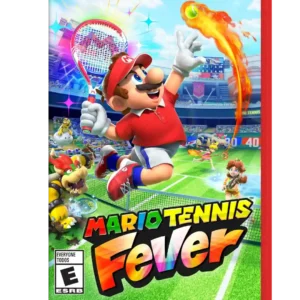
Grinding depends heavily on the mode: Adventure can feel tedious to veterans, while ranked progression gives competitive players a more purposeful grind. Other reviewers appreciate that much of the campaign...
Pros: facial animations, load times
Cons: exploration quality, puzzle design
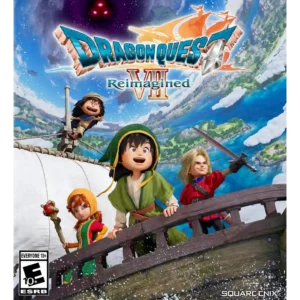
Auto-battle, speed controls, instant wins, and reward modifiers can dramatically reduce traditional grinding. Vocation progression and repeated encounters can still feel like a slog depending on settings and play style.
Pros: atmosphere, voice acting
Cons: controls responsiveness, quest design
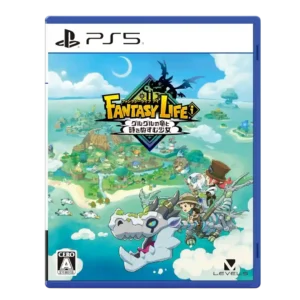
The grind is usually accepted as part of the appeal, but repeated chores, Life leveling, and crafting demands can tire some reviewers.
Pros: load times, crash stability
Cons: originality, voice acting
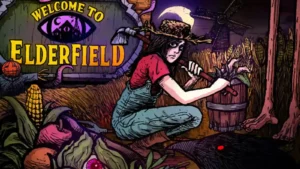
Grinding is highly taste-dependent: some players find the slow, punishing loop oppressive, while others call resource gathering and enemy farming surprisingly addictive. Long progression stalls are the biggest risk.
Pros: world interactivity, sandbox freedom
Cons: character diversity, character development

Grind level is mixed: one reviewer sees Episodes of South Town as grindy, while another praises it for cutting down grind.
Pros: emotional impact, animation quality
Cons: enemy variety, server reliability
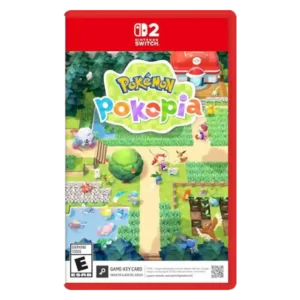
Late-game grind was a repeated caveat, though reviewers usually treated it as a manageable blemish rather than a dealbreaker.
Pros: protagonist appeal, faithfulness to franchise
Cons: map and navigation design, aiming precision
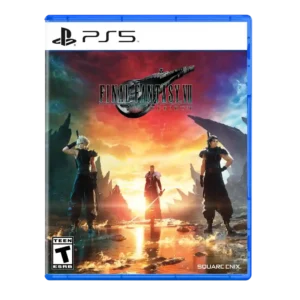
Grind and bloat are manageable when players avoid completionist impulses, but the amount of optional content can be overwhelming.
Pros: world-building, art direction
Cons: mission design, stealth mechanics
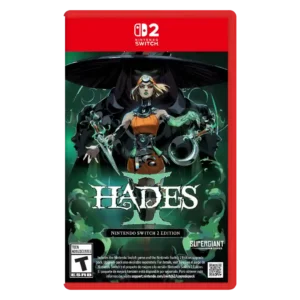
Grinding is a mixed point: some resource gathering pulls players into new paths, while late resource needs can become tedious.
Pros: skill tree depth, dialogue quality
Cons: emotional impact, economy and resource balance
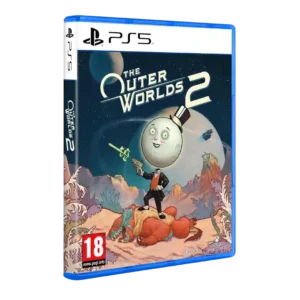
Grind level was mixed: IGN found the RPG grind compelling, while RPGFan said repetitive tasks and level-cap timing hurt motivation.
Pros: world-building, mission design
Cons: mission variety, enemy variety
The grind is the central tradeoff: preparation can feel deeply rewarding, but late-game resource hauling, rare drops, and long recovery trips often demand too much time.
Pros: core gameplay loop, movement feel
Cons: economy and resource balance, map and navigation design
Several reviewers criticize material gathering and repeated combat as unnecessary grind, especially around upgrades. Others found resources plentiful enough that deliberate grinding was rarely required.
Pros: bug frequency, crash stability
Cons: economy and resource balance, open-world design
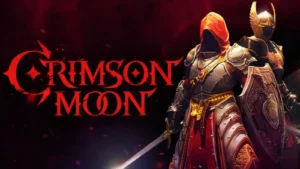
Early progression avoids heavy XP grinding, but later difficulty tiers can shift more time toward farming gold and repeating content rather than discovering new material.
Pros: movement feel, pacing
Cons: economy and resource balance, onboarding experience
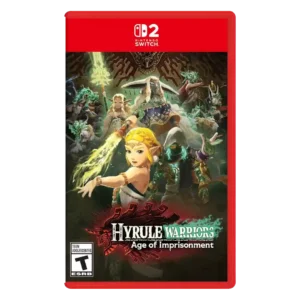
Grind level was mixed to negative, mainly due to repetitive side missions or fatigue over long sessions.
Pros: animation quality, multiplayer design
Cons: save system reliability, companion AI
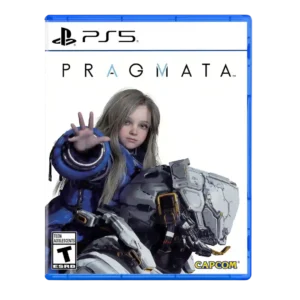
Grind level is a minor concern, particularly Cabin Coins and the number of currencies.
Pros: bug frequency, user interface design
Cons: HUD clarity, mission design
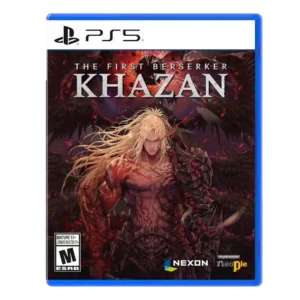
Grind level is mildly criticized because skill-point acquisition can be time-consuming.
Pros: core gameplay loop, controls responsiveness
Cons: mission design, learning curve
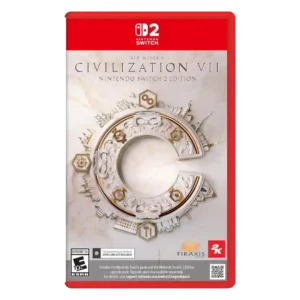
Grind level improved where micromanagement and builders were removed, but religion, repairs, and some late systems were criticized as chores or busywork.
Pros: animation quality, controls responsiveness
Cons: matchmaking quality, user interface design
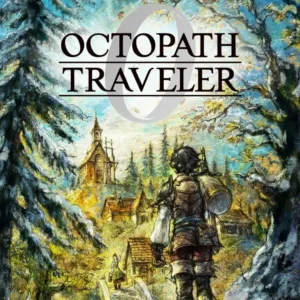
Grinding is another mixed area: some reviewers appreciated systems that reduce mandatory leveling, while others found experience, gear, or late-game preparation slow enough to interrupt the story's momentum.
Pros: core gameplay loop, world-building
Cons: choice impact, economy and resource balance
Grinding is manageable when save points let players quickly respawn nearby enemies, but some reviewers still resent being pushed into farming for late upgrades or harder encounters.
Pros: world interactivity, immersion
Cons: AI behavior, handheld play suitability
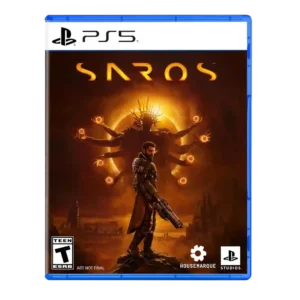
Grind and repetition drew mixed-to-negative comments, especially around repeated boss attempts and artifact droughts.
Pros: value for money, fun factor
Cons: map and navigation design, side character depth

Grind sentiment is mixed-to-negative where repeated side activities, collectibles, or checklist tasks create fatigue over time.
Pros: movement feel, environmental detail
Cons: puzzle design, age appropriateness

Old-school experience distribution makes training considerably slower than in newer Pokémon games. Some enjoy the deliberate team-building; others find repeated battles tedious.
Pros: boss design, side character depth
Cons: monetization fairness, originality
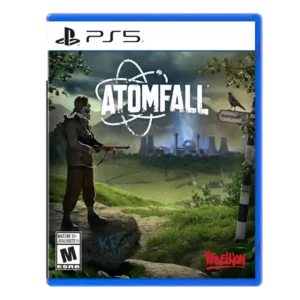
Grind level had limited mixed evidence, with default difficulty feeling grindy to some players before customization helped.
Pros: art direction, frame rate stability
Cons: boss design, camera behavior