
The game digs surprisingly deep into Marvel lore, using lesser-known characters and references that give comic fans plenty of unexpected material to recognize.
Pros: combat system, voice acting
Cons: pacing, boss design

The game digs surprisingly deep into Marvel lore, using lesser-known characters and references that give comic fans plenty of unexpected material to recognize.
Pros: combat system, voice acting
Cons: pacing, boss design

Lore depth is praised for hidden mysteries, optional heritage threads, and deeper history that rewards curiosity.
Pros: difficulty balance, art direction
Cons: economy and resource balance, checkpoint system
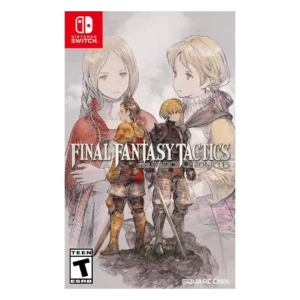
Lore depth was praised through the political themes, State of the Realm, sound novels, and world-history tools.
Pros: remake/remaster quality, voice acting
Cons: content variety, camera behavior
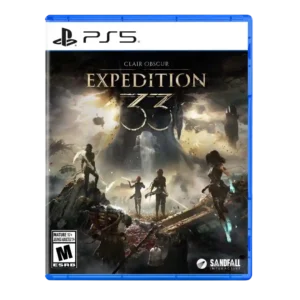
Lore depth was praised through expedition journals, wider history, and an intriguing world.
Pros: narrative quality, combat system
Cons: map and navigation design, menu usability

The historical codex and contextual detail were praised for offering extensive background on people, events, and society.
Pros: combat system, narrative quality
Cons: save system reliability, learning curve

Lore depth was consistently praised, especially the in-game books, history, politics, and reference systems that made Eora feel rich.
Pros: combat system, narrative quality
Cons: difficulty balance, enemy variety
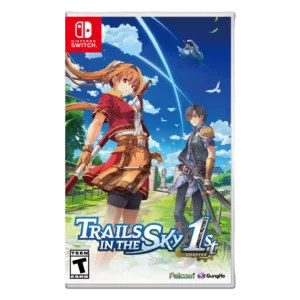
Lore depth was praised for its connected saga, worldbuilding, and long-term setup.
Pros: remake/remaster quality, combat system
Cons: content variety

Lore depth was praised for making Southern Gothic worldbuilding feel intriguing and distinctive.
Pros: soundtrack quality, narrative quality
Cons: combat system, enemy variety
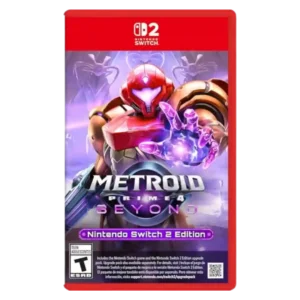
Lore through scanning and Lamorn history was a clear positive for reviewers who valued environmental storytelling.
Pros: boss design, graphics quality
Cons: open-world design, side character depth

Lore depth receives limited but positive evidence for building on vault and Siren lore.
Pros: movement feel, loot system
Cons: performance optimization, narrative quality

Optional lore can reward risky dialogue choices with extra character context that may change how later situations are understood.
Pros: choice impact, narrative quality
Cons: gameplay mechanics, QTE design

Lore depth receives positive but limited support through mythic tales and storytelling sequences that expand the world’s legends.
Pros: combat system, narrative quality
Cons: grind level, innovation

Road Trip's lore was praised as worth experiencing, especially around how Air Riding came to exist.
Pros: battle mode quality, content variety
Cons: learning curve, competitive balance

Lore depth was praised where new factions made Arcadia feel deeper and more distinct than the first game.
Pros: combat system, progression system
Cons: pacing, AI behavior

The story draws heavily on prior Yakuza history and clan relationships, rewarding players who know the earlier games. A recap helps, but the continuity carries more weight with that background.
Pros: narrative quality, combat system
Cons: onboarding experience, difficulty balance
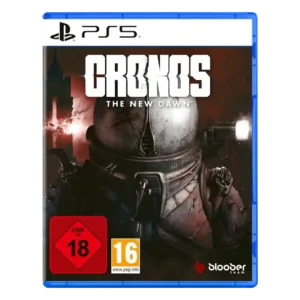
Lore depth was praised by reviewers who enjoyed piecing together codex entries, worldbuilding, and background clues.
Pros: combat system, narrative quality
Cons: boss design, puzzle design
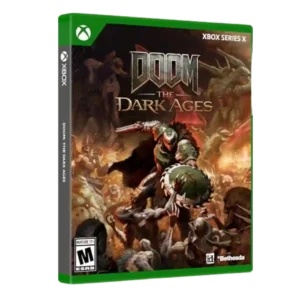
Lore depth was praised where codex material and broader Doom world-building were assessed directly.
Pros: combat system, weapon balance
Cons: flying mechanics, narrative quality

Lore depth was praised when reviews connected Z-A to X/Y, Sinnoh-style mythology, or franchise history.
Pros: combat system, exploration quality
Cons: graphics quality, voice acting

Lore support and depth are praised through the Corpus encyclopedia, which helps handle the dense terminology and proper nouns.
Pros: narrative quality, combat system
Cons: difficulty balance, weapon balance
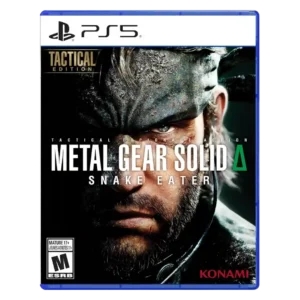
Lore depth is praised through the way Snake Eater ties its events back into the wider Metal Gear arc.
Pros: remake/remaster quality, graphics quality
Cons: performance optimization, frame rate stability
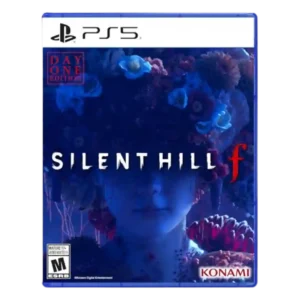
Lore depth was usually praised for notes, folklore, religious context, and New Game+ revelations, though one negative review argued the lore lacked cohesion.
Pros: puzzle design, narrative quality
Cons: combat system, enemy variety
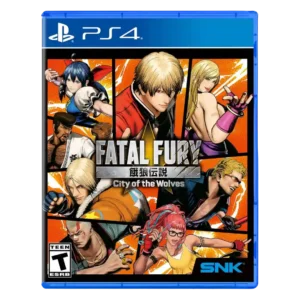
Lore depth is a positive for franchise fans, with reviewers noting more story, backstory, and South Town lore than expected.
Pros: content variety, gameplay mechanics
Cons: learning curve, user interface design

Personal letters, classified documents, and optional objectives add context that the main plot lacks. Exploring beyond the required route offers the richer view of the setting.
Pros: overall quality, level design
Cons: innovation, mission design

Franchise references and added clan context give longtime fans something to enjoy. The background material is appreciated for adding flavor without making the story cumbersome.
Pros: overall quality, difficulty balance
Cons: frame rate stability, performance optimization
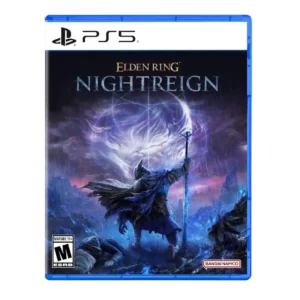
Lore depth benefited from Elden Ring's groundwork, though it was concentrated in character side stories rather than a broad main plot.
Pros: co-op experience, fun factor
Cons: difficulty balance, social features

Lore depth was positively noted by a reviewer who found Monster Hunter lore fascinating despite criticizing the story delivery.
Pros: combat system, narrative quality
Cons: difficulty balance, endgame content
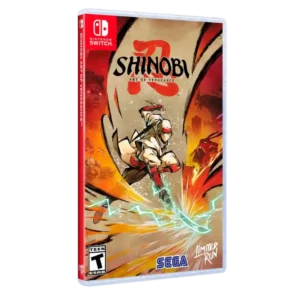
Lore depth gets mild praise where the reviewer appreciates Shinobi’s blend of cultural mythological elements.
Pros: combat system, faithfulness to franchise
Cons: narrative quality, frame rate stability

Lore depth was divisive: many praised canonical gap-filling, while IGN-style reviews argued key lore threads were still underexplored.
Pros: combat system, character roster
Cons: level design, mission design

Lore is unusually deep for a competitive shooter, with factions, AIs, codex entries, and ties to the original games creating a dense mystery. Players willing to read and connect clues...
Pros: fun factor, loot system
Cons: difficulty balance, quest design

The story and lore intrigued reviewers, but evidence also showed that much of it remains light or left to imagination.
Pros: sound design, combat system
Cons: voice acting, menu usability
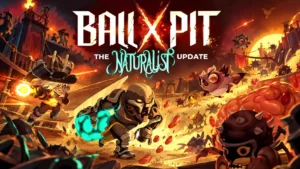
Small encyclopedia details are enjoyable, but the broader lore leaves some players wanting more. The setting rarely supplies the secrets or narrative context they enjoy in other roguelites.
Pros: fun factor, upgrade system
Cons: user interface design, grind level

Lore depth was mixed, with compelling mysteries and notes offset by underused premise and surface-level faction development.
Pros: narrative quality, exploration quality
Cons: combat system, AI behavior

The Zone has deep lore and long-running faction history, but the density can overwhelm newcomers. Familiarity with earlier games makes many references and conflicts easier to appreciate.
Pros: immersion, fun factor
Cons: bug frequency, AI behavior
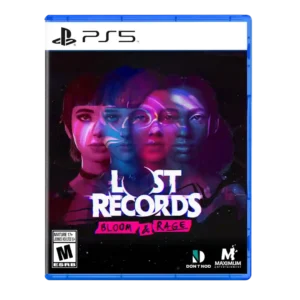
Lore depth was a repeated weakness; reviewers often found the Abyss, supernatural elements, or broader mystery underexplained or unresolved.
Pros: narrative quality, character development
Cons: pacing, gameplay mechanics

lore depth was criticized as shallow setup.
Pros: multiplayer design, sound design
Cons: narrative quality, map and navigation design

Zombies lore is extremely deep, but that depth can become excessive for players who mainly want the round-based action rather than a dense web of Easter Eggs and story threads.
Pros: multiplayer design, level design
Cons: fun factor, narrative quality
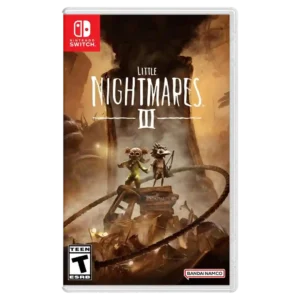
Lore depth drew negative evidence from a reviewer who felt understanding the story depended too much on outside material.
Pros: atmosphere, faithfulness to franchise
Cons: puzzle design, co-op experience

One reviewer wanted the game's interesting ideas and lore explored more deeply, finding too much of the world-building left at a surface level.
Pros: combat system, remake/remaster quality
Cons: animation quality, environmental detail
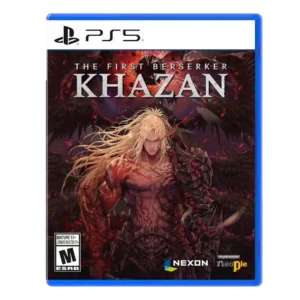
Lore depth is limited in one review’s view, with little to learn beyond mechanical hub functions.
Pros: combat system, boss design
Cons: narrative quality, difficulty balance