Best for Home theater integration
JBL Bar 1300MK2
5.0 attribute score
Highest scored product for this attribute based on supporting review evidence.

Highest scored product for this attribute based on supporting review evidence.
Balances the attribute score, supporting reviews, and overall product strength.
Has the broadest review evidence for this attribute.
Strongest overall product among items with scored evidence for this attribute.

As a home-theater package, the system earns very high marks for delivering real surround, strong bass and a clean install without a receiver or permanently wired rears.
Pros: Rear speaker versatility, Overall product quality
Cons: Size and TV fit, Gaming HDMI passthrough

Home theater integration was a major strength, especially the ability to expand with Sonos surrounds, Sub, and multi-room setups.
Pros: Value for money, Dolby Atmos height effects
Cons: Audio format support, Video passthrough support
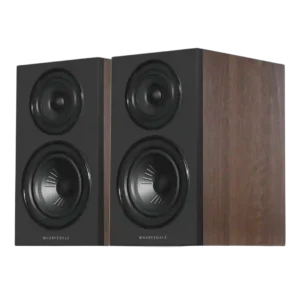
One reviewer specifically considers the Diamond 12.1i highly appropriate for a multichannel AV system. The wider Diamond family also makes that use case a natural fit, but direct evaluative coverage...
Pros: Design and aesthetics, Music performance
Cons: Low-volume performance
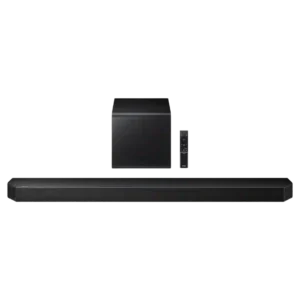
Samsung TV integration is a major strength. Q-Symphony is repeatedly described as easy to use and capable of making the presentation larger, richer, and more theater-like.
Pros: Overall product quality, Overall sound quality
Cons: Bass performance, Surround sound simulation

Using Era 100 SL units as rear surrounds is one of their best use cases, adding immersion, integrating easily with Sonos soundbars, and costing less than mic-equipped alternatives.
Pros: Overall satisfaction, Overall sound quality
Cons: Trueplay room tuning, Smart assistant integration (Alexa

The speaker fits naturally into BluOS home theater setups as a surround channel, with flexible wider-system integration repeatedly highlighted as a strength.
Pros: Design and aesthetics, Overall product quality
Cons: Bass performance, Stereo imaging accuracy

The H7 is an excellent hub for a modular theater system, supporting gradual expansion with M5 or M7 speakers and the W7 subwoofer. It also works with non-LG TVs through...
Pros: Inter-speaker connectivity, AI Room Calibration
Cons: Value for money, Music performance

Home-theater integration is a major reason to buy into the system. Used as rear channels with the Lifestyle Ultra Soundbar and Subwoofer, the speakers add convincing surround and height effects...
Pros: Overall sound quality, Design and aesthetics
Cons: Multi-speaker pairing reliability, Smart features
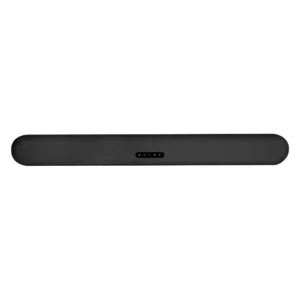
Home theater integration was a strength thanks to BluOS, HDMI eARC, whole-home streaming, custom-install support, and expandable surround options.
Pros: Dialogue clarity (for TV/soundbar use), Subwoofer
Cons: EQ customization, AI Room Calibration

The ability to use WiiM Sound units as surround, rear, or center speakers is a major expansion path within WiiM systems. Tests and demonstrations generally find this flexible and immersive.
Pros: Overall product quality, Overall sound quality
Cons: AirPlay compatibility, Smart assistant integration (Alexa
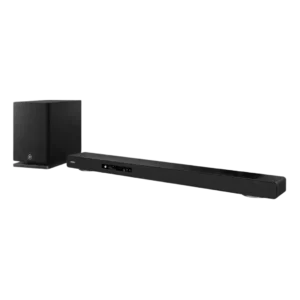
As a wireless alternative to an AVR and separate speaker package, the system is highly convincing. The bar, sub, and true rear channels create theater-like scale with far less wiring,...
Pros: Home theater integration, Overall product quality
Cons: Value for money, Small-room suitability

As rear speakers with compatible Sonos soundbars, Era 100s add immersion, scale and impact. They are strong compact surrounds, though the Era 300 remains the more ambitious Atmos-focused option.
Pros: Bass performance, Overall sound quality
Cons: Google, Wired input
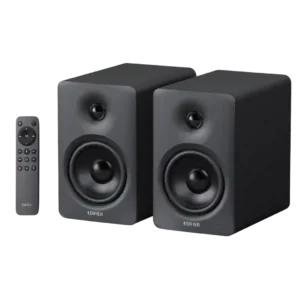
HDMI eARC, CEC, clear dialogue, and wide stereo imaging make the M90 an excellent bedroom or office TV upgrade. Larger rooms and effects-heavy movies may still need a subwoofer or...
Pros: Bass performance, Value for money
Cons: On-device controls, Auto-off and standby behavior

The modular system can grow from a strong standalone bar into a genuinely immersive wireless home theater with subwoofer and rears. The biggest gains come from the add-ons, but so...
Pros: Design and aesthetics, Overall sound quality
Cons: Value for money, App reliability

They work well as compact TV or movie speakers, with strong dialogue and useful optical connectivity. They are less convincing as a complete soundbar replacement when HDMI ARC, very deep...
Pros: Overall product quality, Overall sound quality
Cons: Remote control usability, Control button responsiveness
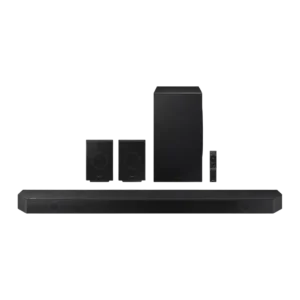
Home theater integration was strong, especially with compatible Samsung TVs through Q-Symphony, though benefits depend on TV ownership.
Pros: Subwoofer, Value for money
Cons: Remote control usability, Status indicators
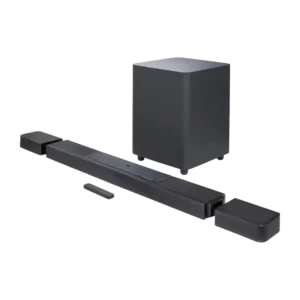
Home theater integration was a core strength, with reviewers calling it a strong all-in-one setup and a good easy alternative to separates.
Pros: Dialogue clarity (for TV/soundbar use), Subwoofer
Cons: EQ customization, Stereo imaging accuracy

Expansion is a major advantage: owners can start with the bar and add a wired or wireless subwoofer and rear speakers later. That modular path is widely praised, though a...
Pros: Overall sound quality, Value for money
Cons: Remote control usability, Detail retrieval

Era 300 rears can add a convincing height layer and a much more enveloping field to compatible Sonos theater systems.
Pros: Value for money, Overall sound quality
Cons: Design and aesthetics, Audio format support

Home-theater use was strongly supported by reviewers who called REN a compelling soundbar replacement and TV upgrade.
Pros: Wired input, Frequency response balance
Cons: Distortion at high volume

Home theater expansion is a big part of the appeal. Reviewers like that the Mini can grow with wireless surrounds, a subwoofer, and wider BluOS systems.
Pros: App reliability, Subwoofer
Cons: Remote control usability, Value for money
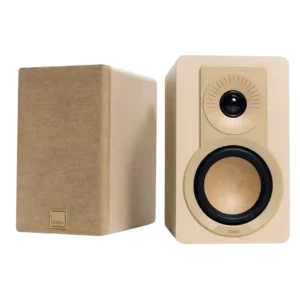
The Kupid can serve in compact TV and home-theater systems, including surround or height roles, especially where space is tight. Reviewers consistently suggest adding a subwoofer for action movies or...
Pros: Bass performance, Value for money
Cons: Amplifier power requirements, Break-in period
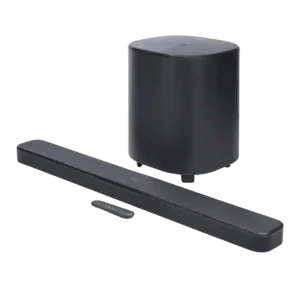
Home theater integration was praised for balancing cinema-like sound with convenience and for lifting TV sound without adding clutter.
Pros: Dialogue clarity (for TV/soundbar use), Surround sound simulation
Cons: App reliability, Audio format support

Home-theater use is praised when HDMI works, with reviewers using the speakers as a simple TV or 2.1 setup.
Pros: Frequency response balance, Stereo imaging accuracy
Cons: Price, HDMI ARC
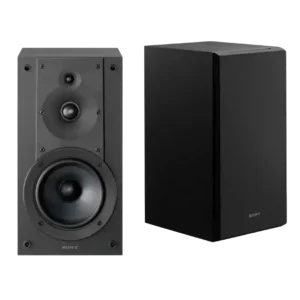
Reviewers saw strong budget home-theater usefulness, especially as height/surround speakers or with subwoofer support.
Pros: Frequency response balance, Cabinet construction / bracing
Cons: Dynamic headroom

Home theater integration had limited but positive evidence from one reviewer who paired it with a projector and said it performed admirably.
Pros: Water resistance rating, Float capability
Cons: Distortion at high volume
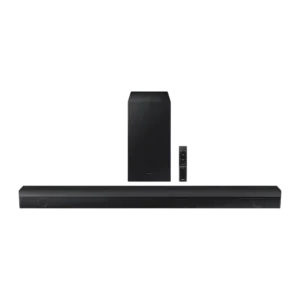
Reviewers framed it as a strong home-theater upgrade over TV speakers, with useful connectivity and rear-speaker expansion potential.
Pros: Dialogue clarity (for TV/soundbar use), Subwoofer
Cons: Dolby Atmos height effects, Smart features
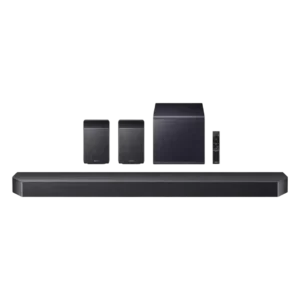
Home theater integration is a core strength, especially with Samsung TVs/Q-Symphony, but the four-piece system can feel like clutter and Q-Symphony results vary.
Pros: Value for money, Surround sound simulation
Cons: Status indicators, Wi-Fi streaming reliability

Home theater integration was a major Sonos advantage, especially the ability to add a Sub, surrounds, or other Sonos speakers over time.
Pros: Value for money, Dialogue clarity (for TV/soundbar use)
Cons: Video passthrough support, Soundstage height
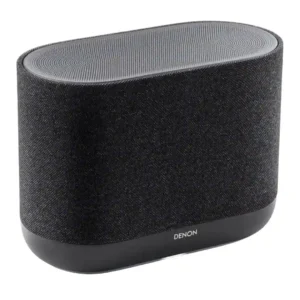
Home theater expansion is useful within Denon’s ecosystem, especially using Home 400 units as wireless surrounds with a compatible Denon soundbar. The flexibility is helpful, though HDMI limitations still matter.
Pros: Music performance, Voice clarity
Cons: Small-room suitability, Smart assistant integration (Alexa
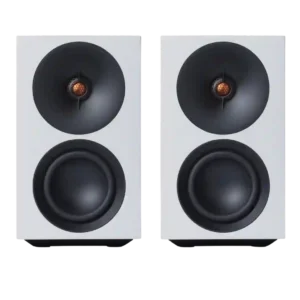
In bedrooms, offices and other small rooms, the pair can serve as a convincing TV or soundbar alternative with wide, theater-like presentation. Optical connection works well for that role, though...
Pros: Design and aesthetics, Small-room suitability
Cons: Distortion at high volume, On-device controls
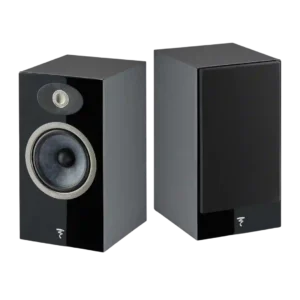
The Theva No.1 is viewed as a strong home theater option, especially as part of a surround setup, provided users add subwoofer support for deeper movie effects.
Pros: Stereo imaging accuracy, Detail retrieval
Cons: Subwoofer, Low-volume performance

The complete bar, subwoofer, and rear-speaker package offers convincing home cinema without a receiver or speaker wiring. Q-Symphony can add scale with Samsung TVs, though some reviewers preferred the soundbar...
Pros: Home theater integration, Bass performance
Cons: Value for money, Design and aesthetics
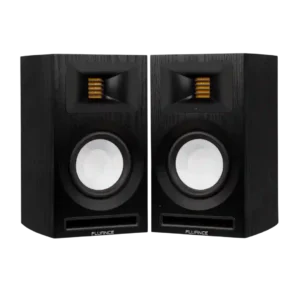
Reviewers broadly supported the Ri71 as a TV/soundbar alternative, while still treating it as stereo enhancement rather than full surround home theater.
Pros: Detail retrieval, Value for money
Cons: optical, Smart features

As a TV system, the Coda W offers a convincing two-channel alternative to a soundbar, with better stereo separation and natural vocal placement. It does not replace Atmos or a...
Pros: Stereo imaging accuracy, Aesthetic design / Finish options
Cons: Smart features, EQ customization

One reviewer found the speakers compelling for movies and wanted to revisit them in a 5.1 system, suggesting promising home theater integration with caveats.
Pros: Frequency response balance, Stereo imaging accuracy
Cons: Subwoofer
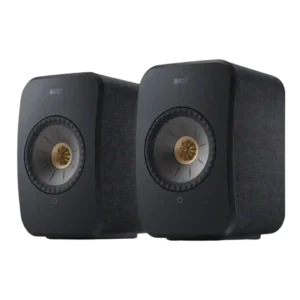
Home theater integration was generally good for stereo TV use, dialogue, and separation, but not ideal for full surround immersion or heavy bass scenes without a sub.
Pros: Detail retrieval, Subwoofer
Cons: Distortion at high volume, Remote control usability

One or two speakers can pair with Google TV Streamer for wider TV sound and spatial processing. Reviewers like the simplicity, but it is not a replacement for a full...
Pros: Music performance, Voice assistant responsiveness
Cons: Value for money, Bass performance
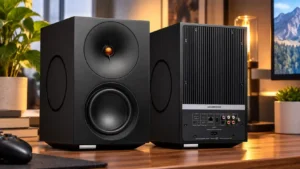
The system works well as a powerful stereo TV and movie setup. Surround decoding, a dedicated LFE channel, and very deep cinematic rumble remain outside its standalone strengths.
Pros: Design and aesthetics, Overall sound quality
Cons: Placement footprint, Midrange performance

Home theater integration was good for compact rooms and expandable Sonos setups, but reviewers warned it is not a full cinematic system without additions.
Pros: Value for money, Dialogue clarity (for TV/soundbar use)
Cons: Subwoofer, Bluetooth connectivity
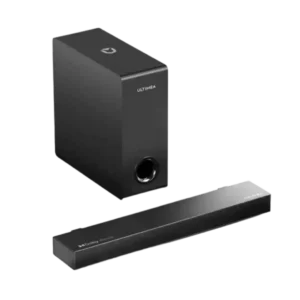
As a TV-speaker upgrade, it performs well for casual viewing, but reviewers do not treat it as a serious movie-lover soundbar.
Pros: Setup simplicity, Value for money
Cons: EQ customization, Subwoofer

Subwoofer expansion is considered sensible for a small desktop home theater or TV-based listening arrangement.
Pros: Placement footprint, speaker size
Cons: HDMI ARC, HDMI ARC support
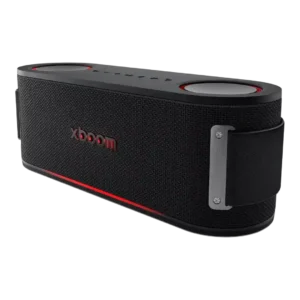
Home integration was a strength for ZDNET, especially for buyers already using LG TVs, soundbars, or appliances.
Pros: Battery life (if portable), Loudness / maximum volume
Cons: Detail retrieval, Smart features

Home theater integration was limited but plausible in small spaces, especially with wired input and stereo pairing.
Pros: Battery life (if portable), Design and aesthetics
Cons: On-device controls, Water resistance rating

One reviewer found the speaker effective behind a tablet or laptop for a larger movie-sound experience.
Pros: Loudness / maximum volume, Value for money
Cons: Weight convenience, Battery life (if portable)
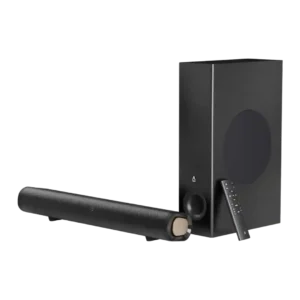
Home theater integration works best in small rooms, desktops, bedrooms, or dens; reviewers consistently warn it is not ideal for large rooms or big TVs.
Pros: Value for money, Surround sound simulation
Cons: Stereo imaging accuracy, Smart features

Fire TV home-theater support adds appeal, but much of the testing was prospective rather than hands-on. Some reviewers see strong value in the idea, while another doubted the Dot Max's...
Pros: Overall sound quality, Smart features
Cons: Value for money, On-device controls

Home-theater integration is useful inside the Bose ecosystem, but reviewers warn that serious cinema setups require costly add-ons or another system.
Pros: Dialogue clarity (for TV/soundbar use), Surround sound simulation
Cons: Subwoofer, Value for money
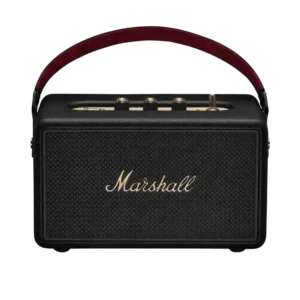
Home theater integration is speculative but positive in one review, which notes potential use as Bluetooth surround speakers with compatible Marshall soundbars.
Pros: Design and aesthetics, Battery life (if portable)
Cons: Weight convenience, Inter-speaker connectivity

Alexa Home Theater can deliver a surprisingly immersive, room-filling TV experience once it is working. Setup and compatibility are the tradeoff: some users see effortless pairing, while others cannot get...
Pros: Overall sound quality, Design and aesthetics
Cons: Value for money, Overall product quality