If you want better Room calibration and correction
Choose Sonos Era 100. It scores 4.9 vs 3.0 for Room calibration and correction, with a 4.5 overall score.

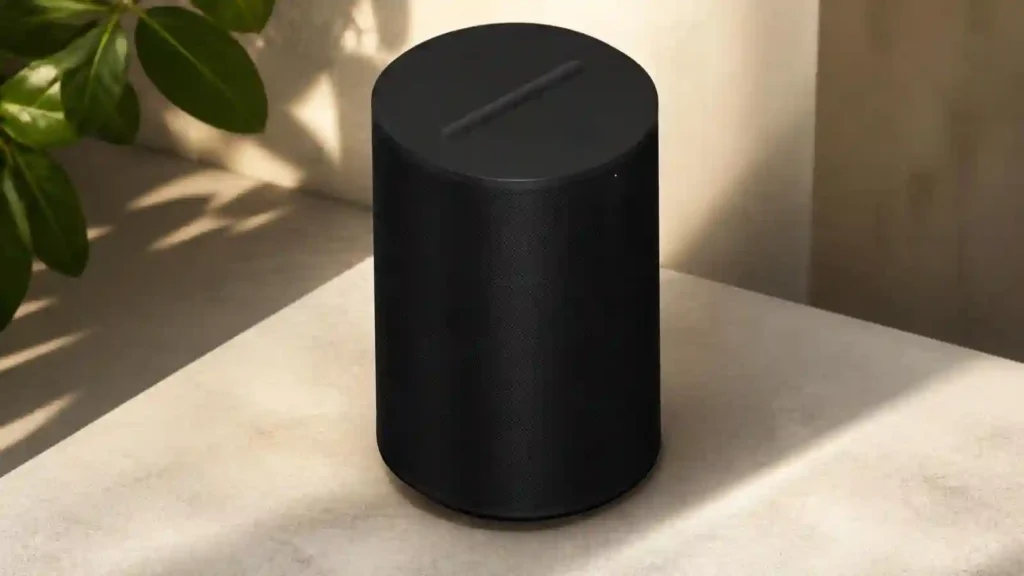
Choose it for strong compact sound, easy Sonos multiroom or surround expansion, and lower cost if you do not need microphones. Skip it if voice control, Android Trueplay, portability, or deep EQ customization matter more.
Best for listeners who want strong compact home audio, especially existing Sonos owners building stereo pairs, multiroom zones, or rear surrounds without paying for microphones they do not need.
Less suitable for buyers who need a portable battery speaker, hands-free voice control, Android-based Trueplay tuning, extensive EQ adjustment, or simple direct wired input without an adapter.
The Era 100 SL keeps the core appeal of the Era 100—clear, spacious sound, punchy bass, easy multiroom pairing, and strong home-theater flexibility—while lowering the price by removing microphones. That trade makes particular sense for stereo pairs, rear surrounds, and listeners who already control music from a phone. Its compact cabinet plays surprisingly loud and generally stays clean at high volume, though deep sub-bass and single-speaker stereo separation remain limited. The bigger compromises are outside basic sound: Android users lose Trueplay tuning, EQ controls are basic, wired input needs an adapter, and the Sonos app still draws mixed reliability reports. For buyers comfortable with those limits, the SL preserves most of the Era 100 experience at a more attractive price.
Compared with other Portable Bluetooth Speakers, this product is above average in Backwards compatibility, Home theater integration, Audio format support, near average in Overall sound quality, Smart assistant integration (Alexa, below average in Water resistance rating, Dust resistance rating, EQ customization.
| Attribute | This product | Category average | Difference |
|---|---|---|---|
| Water resistance rating | 2.0 | 4.4 | -2.4 |
| Backwards compatibility | 5.0 | 2.7 | +2.3 |
| Dust resistance rating | 2.0 | 4.2 | -2.2 |
| EQ customization | 2.0 | 3.8 | -1.8 |
| Weight convenience | 2.0 | 3.8 | -1.8 |
| Home theater integration | 4.9 | 3.6 | +1.3 |
| Audio format support | 5.0 | 3.4 | +1.6 |
| Distortion at high volume | 5.0 | 3.6 | +1.4 |
Choose Sonos Era 100. It scores 4.9 vs 3.0 for Room calibration and correction, with a 4.5 overall score.
Choose Sonos Play. It scores 5.0 vs 2.0 for Dust resistance rating, with a 4.2 overall score.
Choose Bose Lifestyle Ultra Speaker. It scores 5.0 vs 2.8 for Smart assistant integration (Alexa, with a 4.3 overall score.
Choose Edifier ES60. It scores 4.3 vs 3.5 for Wired audio connectivity, with a 4.0 overall score.
Products reviewers directly compared with this model, grouped into quick takeaways.
The sources generally find little to no sonic sacrifice. The SL keeps the same core acoustic architecture, and several reviewers say its sound matches or closely tracks the regular Era 100.
The main loss is the microphone, so there is no built-in Alexa or Sonos Voice Control. That also means Trueplay tuning is limited to compatible iOS devices rather than working through the speaker itself for Android users.
Yes. Using one or two units as rear surrounds is one of the most consistently praised use cases, with easy setup and a strong improvement in immersion when paired with compatible Sonos soundbars.
Yes, but the USB-C connection requires Sonos' optional line-in adapter for a 3.5mm analog source. Reviewers like the capability but repeatedly note the extra adapter cost.
Not in the usual battery-speaker sense. It is compact enough to reposition around the home, but it must stay plugged into mains power and has no IP rating for rugged outdoor use.
Experiences are mixed. Some reviewers found current setup and grouping smooth and stable, while others still reported lag, occasional bugs, buried settings, and limited EQ controls.
These are a few of the reviews included in our analysis.



Sonos’s cheaper Era 100 makes no sonic sacrifices — although some users might find themselves missing out on a few nice-to-have features.
Daniel Furn is a staff writer at What Hi-Fi? focused on all things deal-related. He studied Magazine Journalism at the University of...
The Sonos Era 100 SL is the exact same speaker as the Sonos Era 100 with one specific difference: it doesn't have a mic. Is it worth it?
The Sonos Era 100 SL offers strong sound, AirPlay 2 and Sonos multi-room features at a lower price, though wired connectivity remains limited.
If you couldn't care less about voice assistants on home speakers, the Sonos Era 100 SL is a relatively affordable option that packs in great...
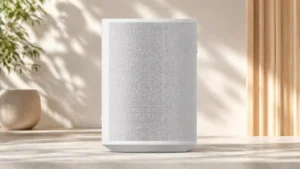
Best for rich, room-filling stereo sound, easy Sonos expansion and flexible Bluetooth/AirPlay playback. Skip it if Google Assistant, Dolby Atmos or true battery-powered portability is essential.
Pros: Bass performance, Overall sound quality
Cons: Google, Wired input
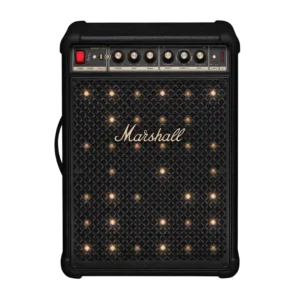
Best for powerful 360° sound, exceptional battery life, premium styling, and flexible mic/instrument inputs. Skip it if you want a light, inexpensive speaker or deep app-based control.
Pros: Battery life (if portable), Weight convenience
Cons: App reliability, Remote control usability
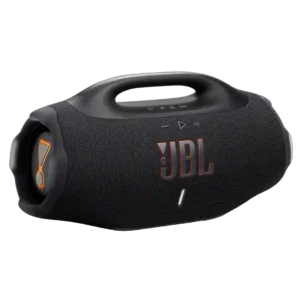
Choose the Boombox 4 if you want huge bass, extreme outdoor volume, long battery life, IP68 durability, and a replaceable battery in a carryable boombox. Skip it if price, lighter...
Pros: Overall satisfaction, Overall sound quality
Cons: Energy efficiency, Microphone
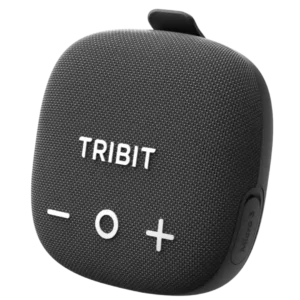
Choose the StormBox Micro 3 for rugged travel, magnetic mounting, long battery life, strong value, and surprisingly full sound. Skip it if you need premium codecs, aux input, refined detail,...
Pros: Magnetic mounting, Frequency response balance
Cons: Backwards compatibility, Distortion at high volume