Best for EQ customization
JBL Boombox 4
4.9 attribute score
Highest scored product for this attribute based on supporting review evidence.

Highest scored product for this attribute based on supporting review evidence.
Balances the attribute score, supporting reviews, and overall product strength.
Has the broadest review evidence for this attribute.
Strongest overall product among items with scored evidence for this attribute.

The seven-band EQ is one of the most consistently praised software features. It gives enough control to tame bright highs, reshape bass, or make the speaker more balanced, and reviewers...
Pros: Overall satisfaction, Overall sound quality
Cons: Energy efficiency, Microphone
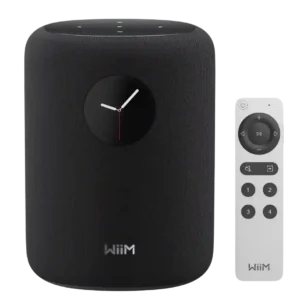
Sound tuning is a standout strength, with abundant presets plus graphic and parametric EQ controls, often adjustable by source. Tweakers get far more control than on many smart speakers.
Pros: Overall product quality, Overall sound quality
Cons: AirPlay compatibility, Smart assistant integration (Alexa
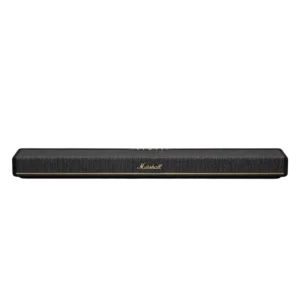
The five-band EQ and mode-specific tuning give useful control over tonal balance and let owners work around some of the preset limitations.
Pros: Design and aesthetics, Overall sound quality
Cons: Value for money, App reliability

ThinQ offers deep control over bass, midrange, treble, channel levels, presets, and custom EQ. Those adjustments are valuable because Standard mode and reduced AI processing often sound more natural.
Pros: Inter-speaker connectivity, AI Room Calibration
Cons: Value for money, Music performance

EQ customization was a standout, with reviewers repeatedly praising the 9-band/custom EQ as effective, easy, and important for unlocking better sound.
Pros: Water resistance rating, Float capability
Cons: Distortion at high volume
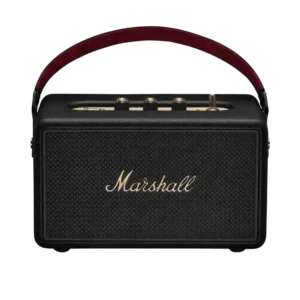
EQ customization is a clear strength, combining responsive bass/treble knobs with app presets, five-band EQ, placement compensation, and M-button customization.
Pros: Design and aesthetics, Battery life (if portable)
Cons: Weight convenience, Inter-speaker connectivity
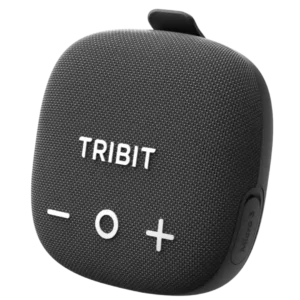
EQ customization was one of the most consistently praised features, with reviewers valuing presets, nine-band control, and custom tuning.
Pros: Magnetic mounting, Frequency response balance
Cons: Backwards compatibility, Distortion at high volume
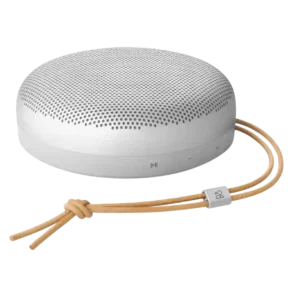
EQ customization was a standout, with reviewers praising the visual sound control as helpful, easy, and unusually gratifying.
Pros: Frequency response balance, Price / value for money
Cons: Drop resistance durability, Smart assistant integration (Alexa
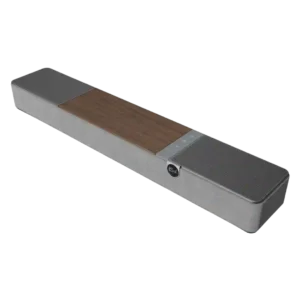
Sound tuning is unusually flexible for the price, with bass, mids, treble, presets, and custom profiles available through the app or controls. Most reviewers found these adjustments easy and useful,...
Pros: Overall sound quality, Value for money
Cons: Remote control usability, Detail retrieval
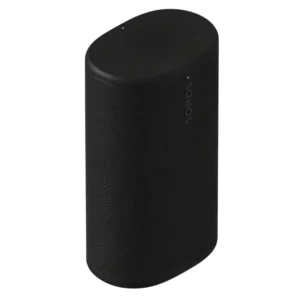
Automatic Trueplay is widely praised for adapting the sound when the speaker moves between rooms or outdoors. Manual tuning is useful too, although the app's bass-and-treble-only EQ feels limited to...
Pros: Overall sound quality, Overall satisfaction
Cons: Price / value for money, App reliability

EQ customization was strongly praised across reviews for deep nine-band or full-band control and noticeable sound changes.
Pros: Loudness / maximum volume, Value for money
Cons: Weight convenience, Battery life (if portable)
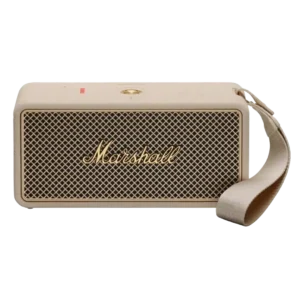
EQ flexibility is a strong point. Reviewers liked the physical bass and treble controls plus the app’s five-band EQ, though one noted that more advanced adjustment options would still be...
Pros: Overall sound quality, Battery life (if portable)
Cons: Price / value for money, Weight convenience
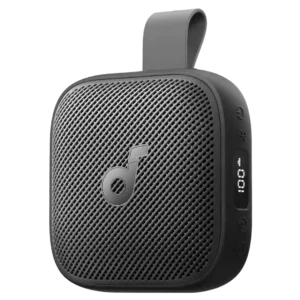
EQ customization was a clear strength, with reviewers saying the app can improve or reshape the sound and offers stronger control than rivals.
Pros: Loudness / maximum volume, Drop resistance durability
Cons: Microphone, Speakerphone quality
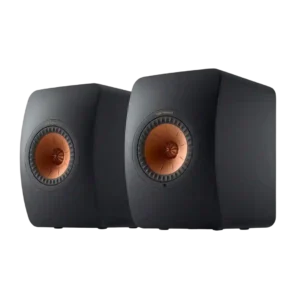
EQ and room-tuning controls are praised for allowing meaningful bass, treble, room, and subwoofer adjustments.
Pros: Frequency response balance, Stereo imaging accuracy
Cons: Price, HDMI ARC

The system offers generous EQ, channel-level, bass, and mode adjustments, especially through the apps.
Pros: Home theater integration, Bass performance
Cons: Value for money, Design and aesthetics
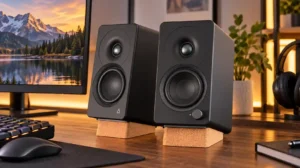
Precise parametric EQ is one of the strongest attractions and can substantially improve the sound. Some users find the controls daunting, while others call the interface exceptionally approachable.
Pros: Placement footprint, speaker size
Cons: HDMI ARC, HDMI ARC support

Sound tailoring is unusually flexible through rear tone controls, presets, and the ConneX app's custom EQ. Monitor is often preferred, while Classic or Dynamic can sound overcooked to some listeners.
Pros: Overall product quality, Overall sound quality
Cons: Remote control usability, Control button responsiveness
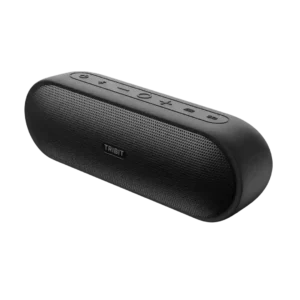
EQ customization is one of the clearest strengths, with reviewers repeatedly praising the app presets, custom EQ and ability to reshape the sound.
Pros: Value for money, Price / value for money
Cons: Dust resistance rating, Bluetooth codec support

The sound modes and EQ options are useful and often make an audible improvement, with bass/treble or expert controls available in some paths. A few reviewers wanted deeper manual EQ...
Pros: Overall product quality, Overall sound quality
Cons: Value for money, Video passthrough support

EQ customization was a clear strength, with multiple reviews praising the detailed, flexible EQ controls in the Soundcore app.
Pros: Smart features, Microphone
Cons: Weight convenience, Handle or strap quality

The seven-band EQ is widely praised as a major upgrade and a powerful customization tool, though some reviewers wanted better presets or expected frequent tweaking.
Pros: Frequency response balance, Price / value for money
Cons: Distortion at high volume, Backwards compatibility
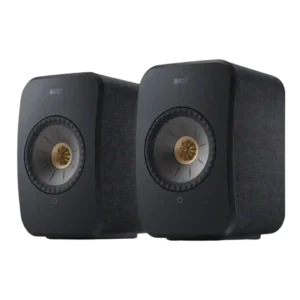
EQ customization was praised for room, placement, treble, bass, and subwoofer tuning, with one caveat that full manual EQ control is limited.
Pros: Detail retrieval, Subwoofer
Cons: Distortion at high volume, Remote control usability

EQ customization was a strength, with multiple reviews praising the five-band EQ and the ability to tailor the sound.
Pros: Frequency response balance, Battery life (if portable)
Cons: Price / value for money, Value for money
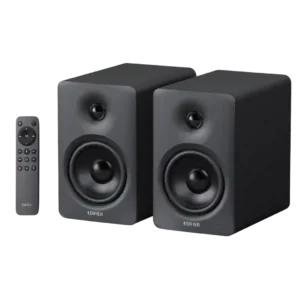
The nine-band EQ and saveable presets make meaningful tonal and room corrections easy, with presets accessible from the remote. Power users may miss full parametric EQ, and some changes require...
Pros: Bass performance, Value for money
Cons: On-device controls, Auto-off and standby behavior
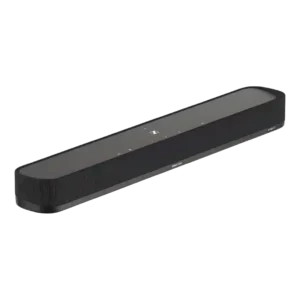
EQ and sound-mode customization are well liked. Reviewers point to presets, adjustable Ambeo levels, center controls, and per-mode tuning as useful without becoming overwhelming.
Pros: Subwoofer, Surround sound simulation
Cons: Value for money, Wired input

The seven-band EQ is one of the most useful app features and can meaningfully improve bass, vocals, or room tuning. One customer calls it gimmicky, and it becomes unavailable when...
Pros: Music performance, Battery life (if portable)
Cons: Lighting effects, Charging cable inclusion
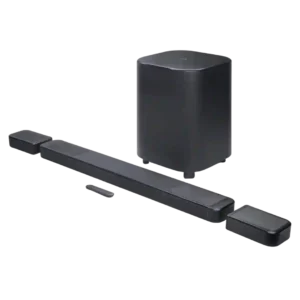
The seven-band EQ gives useful control over the strong bass and overall balance, although JBL One does not provide multiple saved EQ profiles.
Pros: Rear speaker versatility, Overall product quality
Cons: Size and TV fit, Gaming HDMI passthrough

The five-band EQ and presets are a major improvement, letting users tame the mids, add punch, or improve vocal clarity. The small driver limits how much extra bass the EQ...
Pros: Overall satisfaction, Music performance
Cons: Bluetooth connection stability, Control button responsiveness
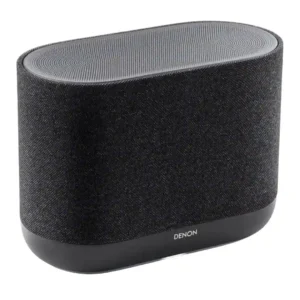
Sound customization is one of the Home 400’s strongest practical features, with bass, treble, width, height, placement, Auto, and Pure options. The flexibility is useful, but extreme width or height...
Pros: Music performance, Voice clarity
Cons: Small-room suitability, Smart assistant integration (Alexa

EQ customization is useful for trimming treble and tailoring the sound profile, with reviewers framing it as practical rather than overwhelming.
Pros: Design and aesthetics, Frequency response balance
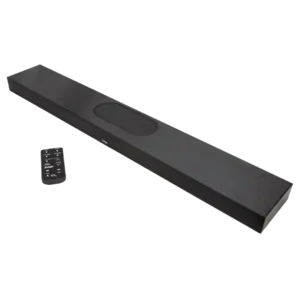
Its many AccuVoice, surround, bass, and treble adjustments let listeners tailor speech to their hearing needs. Finding the ideal combination can take experimentation, and one critic found the many boost...
Pros: Dialogue clarity (for TV/soundbar use), Overall product quality
Cons: TV connection stability, Reliability

EQ customization is a major strength; reviewers consistently praise the seven-band EQ as useful, impactful, and more flexible than previous Flip models.
Pros: Frequency response balance, Battery life (if portable)
Cons: Backwards compatibility, Stereo imaging accuracy
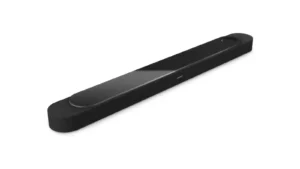
Bose provides useful control over bass, mids, treble, center, height, surround, and subwoofer level. The main limitation is the lack of deeper presets or source-specific EQ memory.
Pros: Design and aesthetics, Overall sound quality
Cons: Value for money, App reliability

The Alexa app's bass, midrange, and treble controls are useful for fine-tuning the speaker. Reviewers especially appreciated being able to tame excess bass or treble.
Pros: Overall sound quality, Smart features
Cons: Value for money, On-device controls
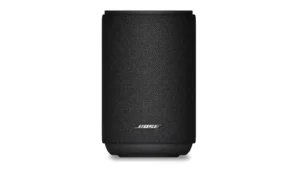
Bass, midrange, treble, and height controls give useful room for personal tuning. Reviewers generally found the adjustments effective, though some felt the basic three-band EQ could not fully correct every...
Pros: Overall sound quality, Design and aesthetics
Cons: Multi-speaker pairing reliability, Smart features

EQ customization is well received, with reviewers praising useful app-based adjustment and custom EQ options.
Pros: Frequency response balance, LED lighting effects
Cons: Float capability, Handle or strap quality
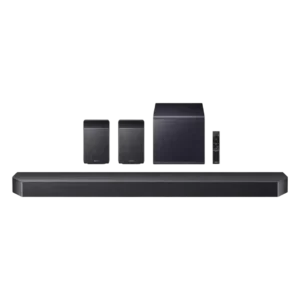
EQ and channel customization are broadly useful, though some reviewers note limits and prefer the app for detailed adjustments.
Pros: Value for money, Surround sound simulation
Cons: Status indicators, Wi-Fi streaming reliability
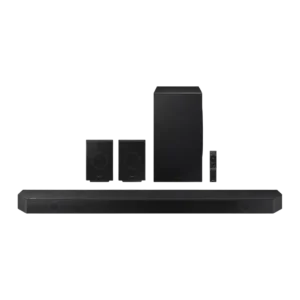
EQ and sound customization were praised through the app, especially channel levels, EQ tools, and near-total control.
Pros: Subwoofer, Value for money
Cons: Remote control usability, Status indicators

EQ controls were viewed as useful for bass, treble, and loudness adjustments, though not a replacement for every hardware limitation.
Pros: Value for money, Dolby Atmos height effects
Cons: Audio format support, Video passthrough support

EQ customization is a major upgrade, especially the custom EQ, though some reviewers find presets limited or not very different.
Pros: Handle or strap quality, EQ customization
Cons: Frequency response balance, Stereo imaging accuracy

EQ customization is a strength overall, with multiple reviewers valuing the 7-band EQ, though one found its audible impact limited at low levels.
Pros: Frequency response balance, Loudness / maximum volume
Cons: Weight convenience, Lighting effects

EQ customization was useful but limited, with reviewers praising treble/loudness adjustments while noting the EQ only covers basics.
Pros: Frequency response balance, Battery life (if portable)
Cons: Price / value for money, Weight convenience

Windows users get extensive EQ, presets, Acoustic Engine controls, and game-specific profiles. Mobile and Mac users receive fewer options, and app-detection problems can block the feature entirely.
Pros: Cohesive presentation, Value for money
Cons: Status indicators, App reliability
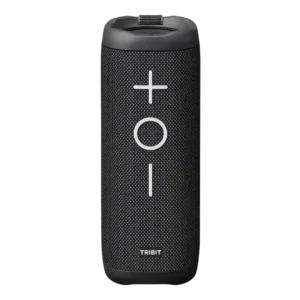
EQ customization was widely appreciated, but reviewers also noted app/preset limitations and one complaint that XBass cannot layer with other EQs.
Pros: Value for money, Frequency response balance
Cons: Distortion at high volume, Handle or strap quality
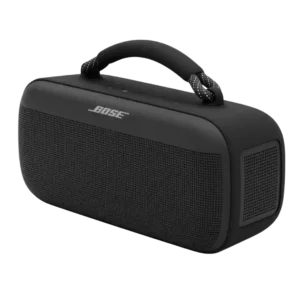
EQ customization was widely useful, especially for dialing bass and treble, though some reviewers wanted more than a simple three-band EQ.
Pros: Frequency response balance, Loudness / maximum volume
Cons: Price / value for money, Weight convenience
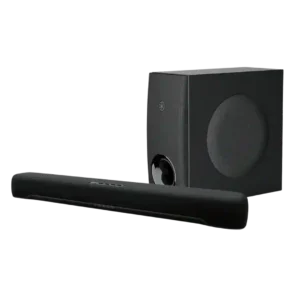
EQ and mode controls are useful and easy to adjust, though they cannot fully fix subwoofer integration or tonal limitations.
Pros: Value for money, Dialogue clarity (for TV/soundbar use)
Cons: Frequency response balance, Home theater integration
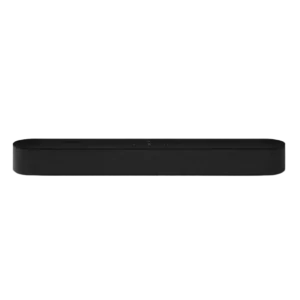
EQ and sound modes were useful for bass, treble, speech, and night listening, but one reviewer wanted more granular control.
Pros: Value for money, Dialogue clarity (for TV/soundbar use)
Cons: Subwoofer, Bluetooth connectivity
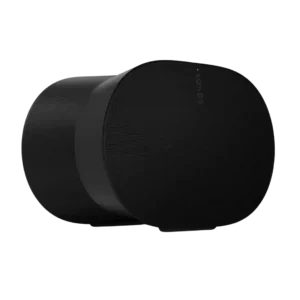
Room tuning and EQ help tailor the sound; Trueplay works well, though paired-speaker tuning has drawn setup criticism.
Pros: Value for money, Overall sound quality
Cons: Design and aesthetics, Audio format support
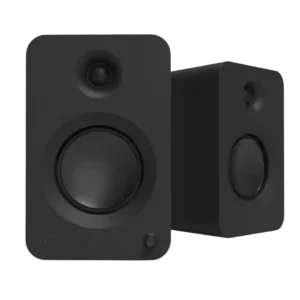
EQ customization was viewed positively because the remote gives granular bass and treble control.
Pros: Wired input, Frequency response balance
Cons: Distortion at high volume
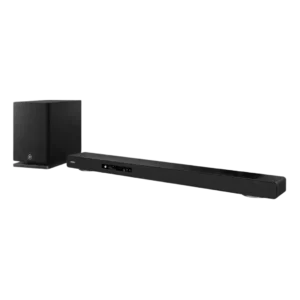
Sound shaping ranges from useful channel-level and beam controls to simple bass/treble sliders. Some testers appreciated the flexibility, while others disliked the menu complexity, lack of presets, or restricted main-channel...
Pros: Home theater integration, Overall product quality
Cons: Value for money, Small-room suitability