#1

Using Era 100 SL units as rear surrounds is one of their best use cases, adding immersion, integrating easily with Sonos soundbars, and costing less than mic-equipped alternatives.
Pros: Overall satisfaction, Overall sound quality
Cons: Trueplay room tuning, Smart assistant integration (Alexa
#2

The H7 is an excellent hub for a modular theater system, supporting gradual expansion with M5 or M7 speakers and the W7 subwoofer. It also works with non-LG TVs through...
Pros: Inter-speaker connectivity, AI Room Calibration
Cons: Value for money, Music performance
#3

Home-theater integration is a major reason to buy into the system. Used as rear channels with the Lifestyle Ultra Soundbar and Subwoofer, the speakers add convincing surround and height effects...
Pros: Overall sound quality, Design and aesthetics
Cons: Multi-speaker pairing reliability, Smart features
#4
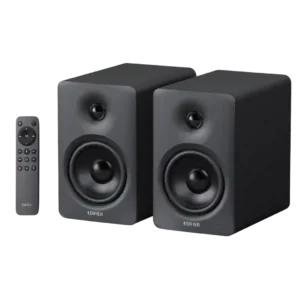
HDMI eARC, CEC, clear dialogue, and wide stereo imaging make the M90 an excellent bedroom or office TV upgrade. Larger rooms and effects-heavy movies may still need a subwoofer or...
Pros: Bass performance, Value for money
Cons: On-device controls, Auto-off and standby behavior
#5

The modular system can grow from a strong standalone bar into a genuinely immersive wireless home theater with subwoofer and rears. The biggest gains come from the add-ons, but so...
Pros: Design and aesthetics, Overall sound quality
Cons: Value for money, App reliability
#6
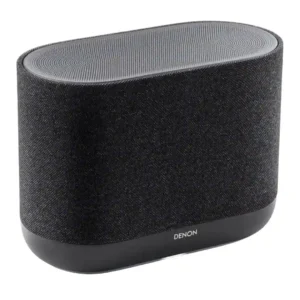
Home theater expansion is useful within Denon’s ecosystem, especially using Home 400 units as wireless surrounds with a compatible Denon soundbar. The flexibility is helpful, though HDMI limitations still matter.
Pros: Music performance, Voice clarity
Cons: Small-room suitability, Smart assistant integration (Alexa
#7
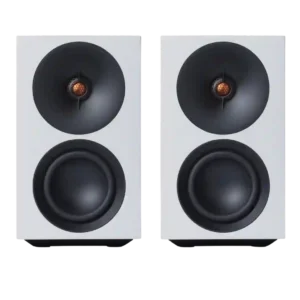
In bedrooms, offices and other small rooms, the pair can serve as a convincing TV or soundbar alternative with wide, theater-like presentation. Optical connection works well for that role, though...
Pros: Design and aesthetics, Small-room suitability
Cons: Distortion at high volume, On-device controls
#8

The complete bar, subwoofer, and rear-speaker package offers convincing home cinema without a receiver or speaker wiring. Q-Symphony can add scale with Samsung TVs, though some reviewers preferred the soundbar...
Pros: Home theater integration, Bass performance
Cons: Value for money, Design and aesthetics
#9

One or two speakers can pair with Google TV Streamer for wider TV sound and spatial processing. Reviewers like the simplicity, but it is not a replacement for a full...
Pros: Music performance, Voice assistant responsiveness
Cons: Value for money, Bass performance
#10
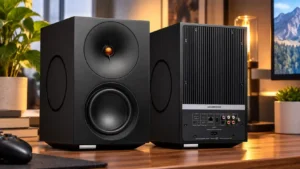
The system works well as a powerful stereo TV and movie setup. Surround decoding, a dedicated LFE channel, and very deep cinematic rumble remain outside its standalone strengths.
Pros: Design and aesthetics, Overall sound quality
Cons: Placement footprint, Midrange performance
#11
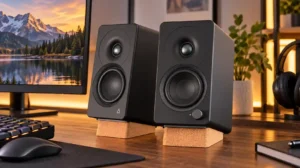
Subwoofer expansion is considered sensible for a small desktop home theater or TV-based listening arrangement.
Pros: Placement footprint, speaker size
Cons: HDMI ARC, HDMI ARC support
#12

Home-theater integration is a clear limitation: the Play generally cannot serve as a surround speaker with Sonos soundbars, and portable setups also lack the subwoofer flexibility of fixed Sonos speakers.
Pros: Overall sound quality, Overall satisfaction
Cons: Price / value for money, App reliability
