If you want better Weight convenience
Choose Fluance Ri71 Reference Powered Bookshelf Speakers. It scores 4.1 vs 2.5 for Weight convenience, with a 4.1 overall score.

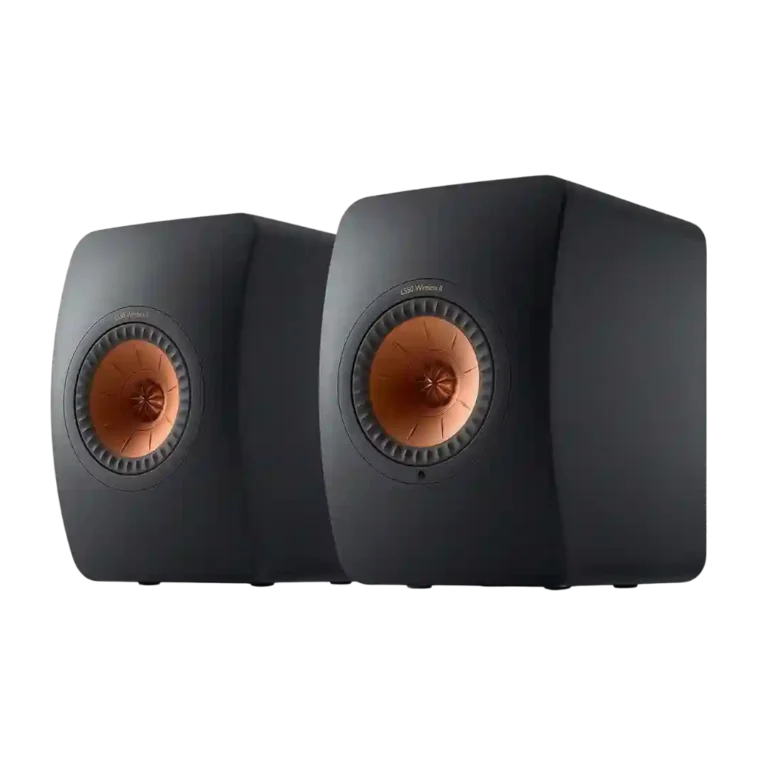
Choose the LS50 Wireless II for a stylish all-in-one system with precise imaging, clean detail, and flexible inputs. Skip it if you need deep bass without a sub, rock-solid Wi-Fi/HDMI reliability, or a lower-cost setup.
Best for listeners who want audiophile-style stereo imaging, clear vocals, strong detail, and modern streaming or TV connectivity without building a rack of separates. It also suits smaller-to-medium rooms, desktop setups, and users who value design and simplicity.
Not ideal for buyers who want maximum bass output, concert-level dynamics, or a cheap powered-speaker setup. It is also a risky fit for anyone unwilling to troubleshoot smart-speaker apps, Wi-Fi, HDMI ARC/eARC, or future software support.
Across the supplied reviews, the KEF LS50 Wireless II stands out as a polished all-in-one bookshelf system with precise imaging, clean detail, strong vocals, and unusually broad connectivity. Reviewers repeatedly praise its room-filling soundstage, controlled bass, app-based tuning, and simple TV or streaming integration. The tradeoff is that the same smart, self-contained design introduces software and connection risk: several reviewers or owner-focused summaries mention app frustration, Wi-Fi dropouts, HDMI quirks, or uncertainty about long-term support. Bass is impressive for the size, but not always enough for movies, large rooms, or sub-bass expectations. The price is high, yet many reviewers still view the package as strong value when replacing separates.
Compared with other Bookshelf Speakers, this product is above average in Physical control responsiveness, On-device controls, Distortion at high volume, near average in Tonal balance, Wired audio connectivity, below average in Status indicators, Weight convenience, HDMI ARC.
| Attribute | This product | Category average | Difference |
|---|---|---|---|
| Status indicators | 2.0 | 3.6 | -1.6 |
| Weight convenience | 2.5 | 4.0 | -1.5 |
| HDMI ARC | 2.8 | 3.9 | -1.2 |
| Physical control responsiveness | 4.5 | 3.4 | +1.1 |
| On-device controls | 4.0 | 3.1 | +0.9 |
| Distortion at high volume | 4.6 | 3.9 | +0.7 |
| Value for money | 3.9 | 4.4 | -0.5 |
| Remote control usability and quality | 2.8 | 3.5 | -0.7 |
Choose Fluance Ri71 Reference Powered Bookshelf Speakers. It scores 4.1 vs 2.5 for Weight convenience, with a 4.1 overall score.
Choose KEF LSX II Wireless HiFi Speakers. It scores 4.1 vs 2.8 for HDMI ARC, with a 4.2 overall score.
Choose Kanto REN Speakers. It scores 4.0 vs 2.0 for Status indicators, with a 4.2 overall score.
Choose KEF Coda W. It scores 5.0 vs 2.5 for Backwards compatibility, with a 4.4 overall score.
Products reviewers directly compared with this model, grouped into quick takeaways.
Yes. The strongest agreement is around clean detail, precise imaging, clear vocals, and a spacious soundstage, with several reviewers calling the sound excellent or even class-leading.
For music, several reviewers say the bass is controlled and often enough. For movies, larger rooms, or deep sub-bass, multiple reviews recommend adding a subwoofer.
Many reviewers describe setup as easy or app-guided, but not everyone agrees. Some report a frustrating first setup, especially when Google Home or network configuration is involved.
Evidence is mixed. Some reviews call it easy, solid, reliable, or much improved, while others describe app connection losses or a poor setup experience.
When HDMI eARC works, reviewers like it as a simple TV or 2.1 home-theater solution with good lip sync. The main caveat is that some Samsung/HDMI users reported failures or workarounds using optical.
Many reviewers still see strong value because the speakers include amplification, streaming, DAC, inputs, and room tuning. Others argue cheaper active monitors plus separate streaming gear can offer better sound-per-dollar.
These are a few of the reviews included in our analysis.




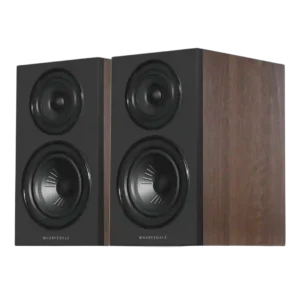
Choose the Diamond 12.1i for balanced, punchy hi-fi sound, strong bass and premium build at a budget price. Skip it if you mostly listen very quietly, need shallow-shelf placement, or...
Pros: Design and aesthetics, Music performance
Cons: Low-volume performance
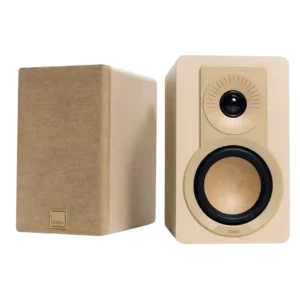
Choose the Kupid for lively, detailed sound in a desk or small-room system where compact size matters. Skip it if you need deep bass, huge-room output, or want to pair...
Pros: Bass performance, Value for money
Cons: Amplifier power requirements, Break-in period
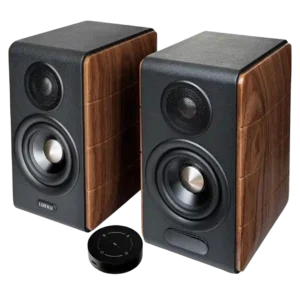
Choose these if you want detailed, room-filling sound, excellent connectivity, and premium styling in a compact powered pair. Skip them if you need effortless remote control, native streaming services, HDMI...
Pros: Overall product quality, Overall sound quality
Cons: Remote control usability, Control button responsiveness
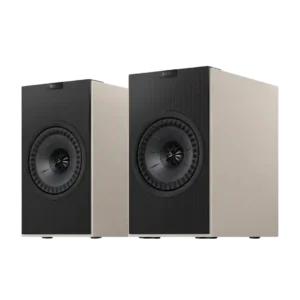
Choose the Coda W if you want big, precise stereo sound, strong bass, HDMI ARC and simple turntable/desktop connectivity without a separates stack. Skip it if built-in Wi-Fi/multi-room streaming, compact...
Pros: Stereo imaging accuracy, Aesthetic design / Finish options
Cons: Smart features, EQ customization