If you want better Optical input support
Choose Kanto REN Speakers. It scores 4.0 vs 2.2 for Optical input support, with a 4.2 overall score.

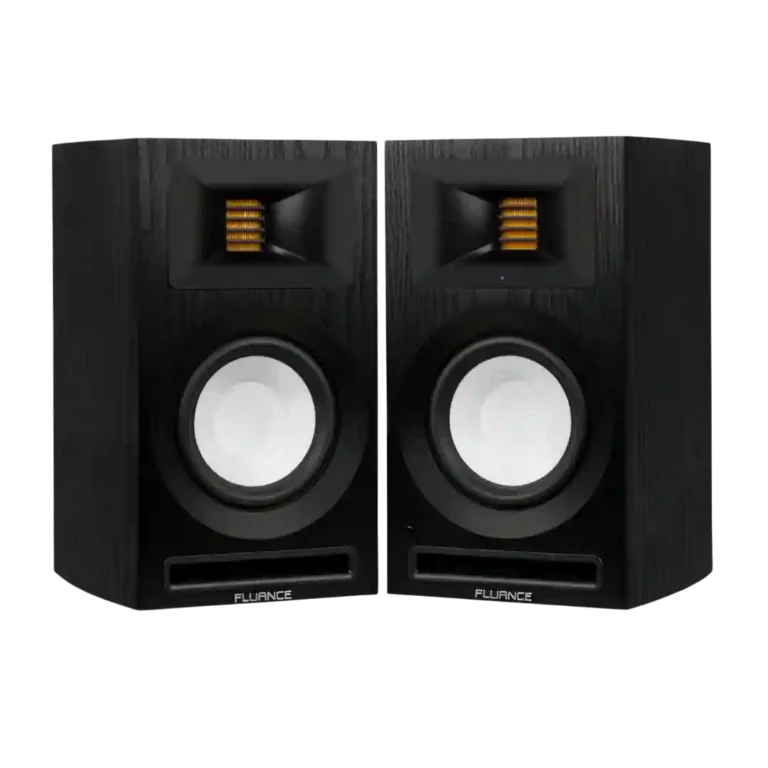
Choose the Fluance Ri71 if you want balanced, detailed powered stereo speakers for music and TV with HDMI ARC and subwoofer expansion. Skip them if you need Wi-Fi, USB/optical inputs, deep standalone bass, or an all-in-one surround system.
Best for listeners who want a simple powered stereo system for music and TV, especially in small-to-medium rooms where HDMI ARC, clear vocals, detailed treble, and wide imaging matter more than smart features.
Not for buyers who need Wi-Fi streaming, AirPlay, USB/USB-C, optical input, app control, deep sub-bass without an added subwoofer, or a true surround/spatial home theater system.
Reviewers consistently frame the Fluance Ri71 as a strong powered stereo alternative to budget soundbars, with balanced tuning, detailed AMT treble, clear vocals, wide imaging, and useful HDMI ARC for TV use. The main tradeoff is that the simple, sound-quality-first design leaves out several modern conveniences: no Wi-Fi, USB, optical input, app control, or surround/spatial processing. Bass is respectable for a 5.25-inch bookshelf speaker, but multiple reviewers say deeper impact and higher headroom come from adding a subwoofer. Controls and indicators are also mixed, with praise for the remote and tone controls but complaints about awkward or bright on-speaker elements. Overall, the evidence supports a polished, high-value stereo system for music and everyday TV rather than a feature-packed smart speaker or full home theater.
Compared with other Bookshelf Speakers, this product is above average in Bluetooth codec support, Remote control usability and quality, On-device controls, near average in Subwoofer performance, Value for money, below average in Optical input support, Design and aesthetics, Wired audio connectivity.
| Attribute | This product | Category average | Difference |
|---|---|---|---|
| Optical input support | 2.2 | 4.1 | -1.9 |
| Bluetooth codec support | 4.3 | 3.6 | +0.7 |
| Design and aesthetics | 3.9 | 4.5 | -0.6 |
| Wired audio connectivity | 3.7 | 4.2 | -0.6 |
| Remote control usability and quality | 4.0 | 3.3 | +0.7 |
| On-device controls | 3.8 | 3.2 | +0.6 |
| Smart features | 3.2 | 3.9 | -0.7 |
| Soundstage height | 4.5 | 3.9 | +0.6 |
Choose Kanto REN Speakers. It scores 4.0 vs 2.2 for Optical input support, with a 4.2 overall score.
Choose KEF LS50 Wireless II Powered Bookshelf Speakers. It scores 4.5 vs 3.7 for Wired audio connectivity, with a 4.1 overall score.
Choose KEF LSX II Wireless HiFi Speakers. It scores 4.4 vs 3.2 for Smart features, with a 4.2 overall score.
Choose KEF Coda W. It scores 4.8 vs 3.9 for Design and aesthetics, with a 4.4 overall score.
Products reviewers directly compared with this model, grouped into quick takeaways.
Reviewers often preferred the Ri71 for wider stereo imaging, clearer music playback, and more natural TV sound. They are not a substitute for a full surround or spatial-audio system.
They do not need one for everyday music or smaller rooms, but several reviewers said a subwoofer improves deep bass, cinematic impact, and high-volume headroom.
HDMI ARC is one of the biggest conveniences for TV use, and several reviewers found it smooth or plug-and-play. A few had picky behavior, low output, or setup trouble, so this is a mixed-strength feature.
Bluetooth earned positive marks for aptX HD/AAC codec support and easy pairing. Reviewers still noted that the Ri71 does not offer Wi-Fi streaming, AirPlay, or app-based streaming features.
They can work well on a desk because of their size, imaging, and powered design. The main drawback is the lack of USB or USB-C audio input, so desktop users may need Bluetooth, HDMI through a TV, or an external DAC into RCA.
The repeated complaints were limited connectivity, no optical or USB input, no Wi-Fi or app, no grilles, mixed on-device controls, and bass limits without a subwoofer in larger rooms or loud listening.
These are a few of the reviews included in our analysis.



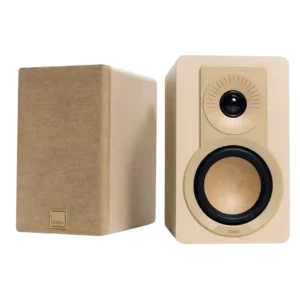
Choose the Diamond 12.1i for balanced, punchy hi-fi sound, strong bass and premium build at a budget price. Skip it if you mostly listen very quietly, need shallow-shelf placement, or...
Pros: Design and aesthetics, Music performance
Cons: Low-volume performance
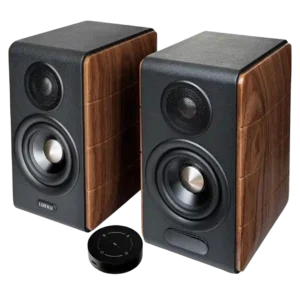
Choose the Kupid for lively, detailed sound in a desk or small-room system where compact size matters. Skip it if you need deep bass, huge-room output, or want to pair...
Pros: Bass performance, Value for money
Cons: Amplifier power requirements, Break-in period
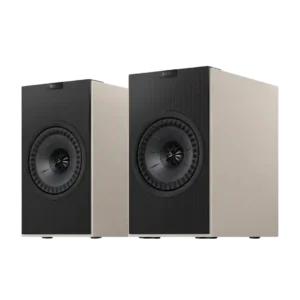
Choose these if you want detailed, room-filling sound, excellent connectivity, and premium styling in a compact powered pair. Skip them if you need effortless remote control, native streaming services, HDMI...
Pros: Overall product quality, Overall sound quality
Cons: Remote control usability, Control button responsiveness
Choose the Coda W if you want big, precise stereo sound, strong bass, HDMI ARC and simple turntable/desktop connectivity without a separates stack. Skip it if built-in Wi-Fi/multi-room streaming, compact...
Pros: Stereo imaging accuracy, Aesthetic design / Finish options
Cons: Smart features, EQ customization