Best for On-device controls
Marshall Bromley 450
5.0 attribute score
Highest scored product for this attribute based on supporting review evidence.

Highest scored product for this attribute based on supporting review evidence.
Balances the attribute score, supporting reviews, and overall product strength.
Has the broadest review evidence for this attribute.
Strongest overall product among items with scored evidence for this attribute.
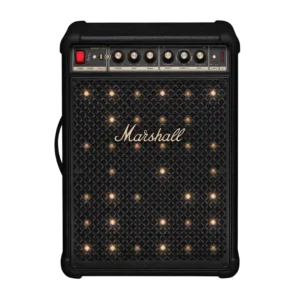
The physical controls are a major strength, with clear source selection and dedicated knobs for volume, tone, instruments, and effects. They are quicker and more satisfying than relying on the...
Pros: Battery life (if portable), Weight convenience
Cons: App reliability, Remote control usability

Core controls are consistently considered intuitive, tactile, and easy to reach, including volume, playback, pairing, Auracast, and bass modes. The physical layout reduces the need to open the app for...
Pros: Overall satisfaction, Overall sound quality
Cons: Energy efficiency, Microphone
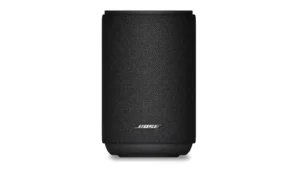
The top-panel controls are useful and comprehensive, covering playback, volume, Bluetooth, microphone mute, and voice-assistant access. Reviewers especially liked the circular volume control when it registered gestures properly.
Pros: Overall sound quality, Design and aesthetics
Cons: Multi-speaker pairing reliability, Smart features
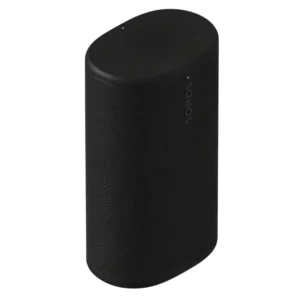
The dedicated playback and volume controls are convenient and well liked, reducing the need to reach for a phone during everyday use.
Pros: Overall sound quality, Overall satisfaction
Cons: Price / value for money, App reliability
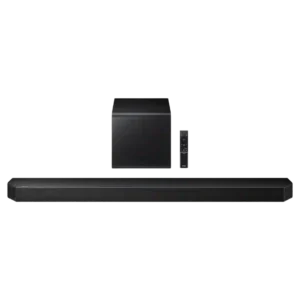
Physical controls on the bar are simple, accessible, and useful for quick adjustments without reaching for the remote.
Pros: Overall product quality, Overall sound quality
Cons: Bass performance, Surround sound simulation
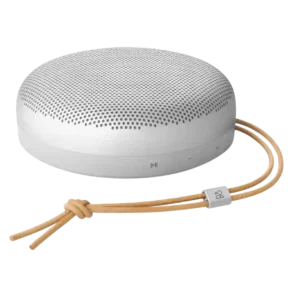
On-device controls were praised as nice and clicky in direct use.
Pros: Frequency response balance, Price / value for money
Cons: Drop resistance durability, Smart assistant integration (Alexa

Physical controls on the main bar and detachable speakers are effective and provide a useful fallback to app control.
Pros: Rear speaker versatility, Overall product quality
Cons: Size and TV fit, Gaming HDMI passthrough

On-device playback controls are praised as working perfectly.
Pros: Frequency response balance, Loudness / maximum volume
Cons: Weight convenience, Lighting effects
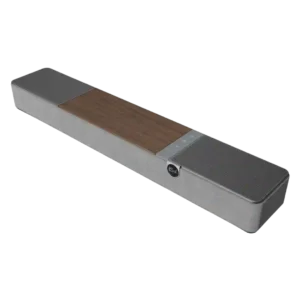
The physical buttons are simple and easy to use for quick volume and playback adjustments when the remote or app is not at hand.
Pros: Overall sound quality, Value for money
Cons: Remote control usability, Detail retrieval

On-device controls received limited but strong praise, with one review calling the top touch controls a joy to use.
Pros: Value for money, Dialogue clarity (for TV/soundbar use)
Cons: Subwoofer, Bluetooth connectivity

Touch controls cover the core playback functions cleanly, letting users adjust volume, pause, play, and navigate tracks with simple gestures.
Pros: Overall satisfaction, Overall sound quality
Cons: Trueplay room tuning, Smart assistant integration (Alexa
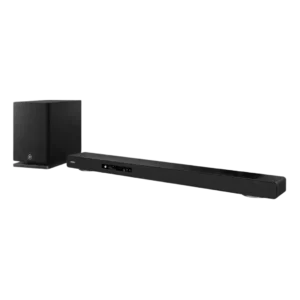
Physical controls are responsive and provide useful tactile feedback for quick operation. They complement the remote and on-screen interface rather than forcing app-only control.
Pros: Home theater integration, Overall product quality
Cons: Value for money, Small-room suitability

The redesigned touch interface is a clear usability upgrade. Dedicated transport buttons and the indented volume slider make quick adjustments easier without reaching for a phone.
Pros: Bass performance, Overall sound quality
Cons: Google, Wired input
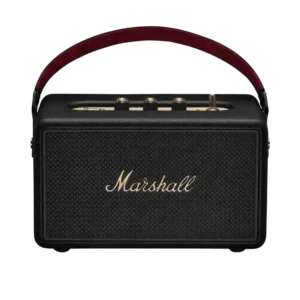
On-device controls are one of the most praised usability features, especially the tactile knobs, playback toggle, power switch, and direct adjustments without relying on the app.
Pros: Design and aesthetics, Battery life (if portable)
Cons: Weight convenience, Inter-speaker connectivity

On-device controls were praised as complete and reliable, including direct buttons and touch controls that worked perfectly.
Pros: Water resistance rating, Float capability
Cons: Distortion at high volume

The top-panel controls are tactile, clearly labeled and intuitive, giving useful access to core functions without opening the app.
Pros: Design and aesthetics, Overall sound quality
Cons: Value for money, App reliability

On-device controls were praised for covering core playback, Bluetooth, XBass, and TWS functions without always needing the app.
Pros: Magnetic mounting, Frequency response balance
Cons: Backwards compatibility, Distortion at high volume

On-device controls were a clear strength, especially the Marshall joystick for playback, volume, and track changes.
Pros: Design and aesthetics, Loudness / maximum volume
Cons: EQ customization, App reliability

The side volume knob and buttons are convenient, responsive, and cover the essentials. Their labels can be hard to see when the bar sits low beneath a screen.
Pros: Cohesive presentation, Value for money
Cons: Status indicators, App reliability

On-device controls cover the essentials and add convenience alongside the remote, app, and voice options. The only real concern is the feel of touch-sensitive buttons.
Pros: Subwoofer, Surround sound simulation
Cons: Value for money, Wired input
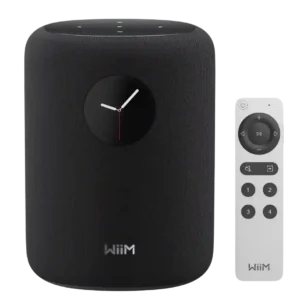
The circular touchscreen is more useful than it first appears, giving quick access to playback, sources, presets, EQ, artwork, and settings. A few caveats remain around screen size, placement height,...
Pros: Overall product quality, Overall sound quality
Cons: AirPlay compatibility, Smart assistant integration (Alexa

The physical playback, volume, Bluetooth, and Auracast controls are straightforward and dependable. Familiar JBL layouts help returning users operate it immediately.
Pros: Music performance, Battery life (if portable)
Cons: Lighting effects, Charging cable inclusion
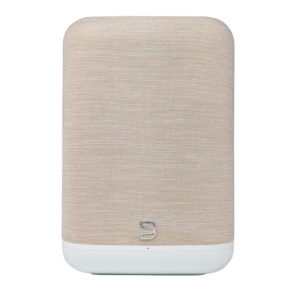
Physical playback controls and programmable presets are genuinely useful day to day, reducing how often a phone needs to come out.
Pros: Design and aesthetics, Overall product quality
Cons: Bass performance, Stereo imaging accuracy

Physical controls are a standout usability feature, letting users handle playback, volume, bass, and treble without opening the app. Reviewers repeatedly described the layout as intuitive and convenient.
Pros: Overall sound quality, Battery life (if portable)
Cons: Price / value for money, Weight convenience
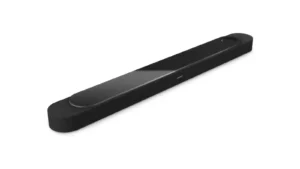
The new top-mounted touch controls are widely seen as a welcome, premium-feeling addition and make basic playback and volume changes easy without a remote.
Pros: Design and aesthetics, Overall sound quality
Cons: Value for money, App reliability

Physical controls were easy to understand and useful for quick speaker, light, and karaoke adjustments without relying entirely on the app.
Pros: Smart features, Microphone
Cons: Weight convenience, Handle or strap quality

On-device controls were praised as simple, obvious, and satisfying, especially the large volume buttons and straightforward playback controls.
Pros: Battery life (if portable), Loudness / maximum volume
Cons: EQ customization, Distortion at high volume

Physical controls were a highlight, with reviewers praising simple, large, visible, and easy-to-use buttons.
Pros: Value for money, Frequency response balance
Cons: Distortion at high volume, Handle or strap quality
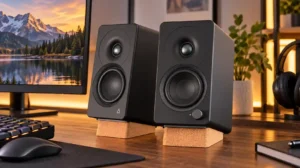
Front-facing controls are praised for convenient volume adjustment and one-press source switching.
Pros: Placement footprint, speaker size
Cons: HDMI ARC, HDMI ARC support

On-device controls were praised as simple, big, and easy to use.
Pros: Frequency response balance, Battery life (if portable)
Cons: Price / value for money, Value for money

The top-edge controls are easy to follow, supporting straightforward on-device operation.
Pros: Detail retrieval, Design and aesthetics
Cons: Water resistance rating, Value for money
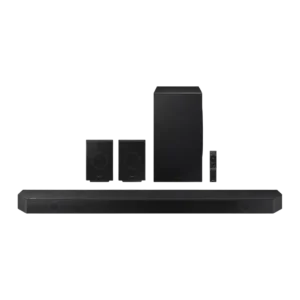
On-device controls received positive but limited evidence as useful when the remote is unavailable.
Pros: Subwoofer, Value for money
Cons: Remote control usability, Status indicators

On-device controls were praised in one review for working well directly on the unit.
Pros: Value for money, Dialogue clarity (for TV/soundbar use)
Cons: Video passthrough support, Soundstage height

The angled front buttons are easy to reach and clearer than the old Studio's controls, while top tapping adds quick playback actions. The basic physical layout is simple even for...
Pros: Overall sound quality, Design and aesthetics
Cons: Value for money, Overall product quality
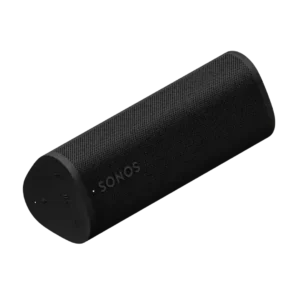
On-device controls were praised for tactile playback, volume and grouping functions, especially because they remain usable around water or without relying on the app.
Pros: Frequency response balance, Setup simplicity
Cons: Battery life (if portable), App reliability

Physical controls are straightforward and convenient for volume, input, playback, and switching speaker modes. They reduce dependence on the app for basic operation.
Pros: Inter-speaker connectivity, AI Room Calibration
Cons: Value for money, Music performance
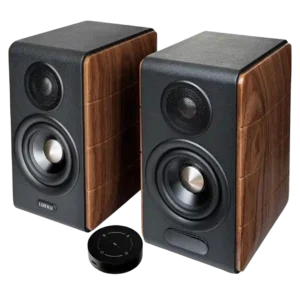
The physical volume, bass, and treble knobs feel precise and useful, and they provide a welcome escape from the touch remote. Their rear placement can make daily access awkward.
Pros: Overall product quality, Overall sound quality
Cons: Remote control usability, Control button responsiveness
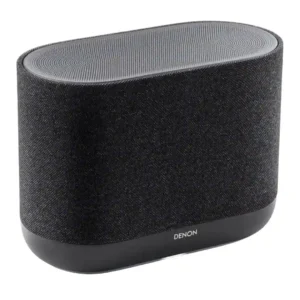
Physical controls are practical and generally well received, with side buttons for playback, volume, presets, Bluetooth, and voice-related functions. They make the speaker easier to use without digging through HEOS...
Pros: Music performance, Voice clarity
Cons: Small-room suitability, Smart assistant integration (Alexa

On-device controls are generally easy and intuitive, though one review criticizes missing previous/next track control.
Pros: Handle or strap quality, EQ customization
Cons: Frequency response balance, Stereo imaging accuracy

On-device controls are viewed positively, with easy-to-use playback controls and added track-skip behavior noted.
Pros: Frequency response balance, Battery life (if portable)
Cons: Backwards compatibility, Stereo imaging accuracy
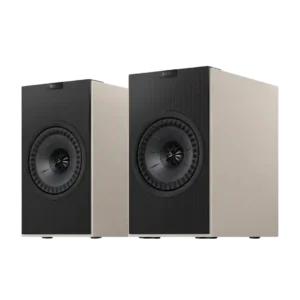
On-device controls are convenient and responsive, especially for power, volume, and source changes without opening the app. The main annoyance is that source selection on the speaker often cycles in...
Pros: Stereo imaging accuracy, Aesthetic design / Finish options
Cons: Smart features, EQ customization

On-device controls were mostly praised for responsiveness and convenience, but visibility outdoors drew one criticism.
Pros: Frequency response balance, Battery life (if portable)
Cons: Price / value for money, Weight convenience

On-device controls were praised because key functions could be accessed manually without relying on the app.
Pros: Loudness / maximum volume, Value for money
Cons: Weight convenience, Battery life (if portable)
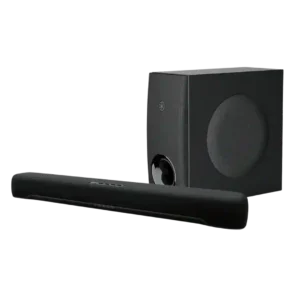
On-device and overall control options are considered clear and convenient where reviewers judged them.
Pros: Value for money, Dialogue clarity (for TV/soundbar use)
Cons: Frequency response balance, Home theater integration

On-device controls were generally good, with praise for responsiveness and positive feel, though one reviewer missed backlighting.
Pros: Frequency response balance, Loudness / maximum volume
Cons: Price / value for money, Weight convenience

On-device controls are adequate-to-strong, with tactile/easy controls in positive reviews and only a mild complaint about button selection.
Pros: Frequency response balance, LED lighting effects
Cons: Float capability, Handle or strap quality

On-device controls were praised as tactile, easy to use, and logically arranged.
Pros: Frequency response balance, Price / value for money
Cons: Microphone, Dust resistance rating
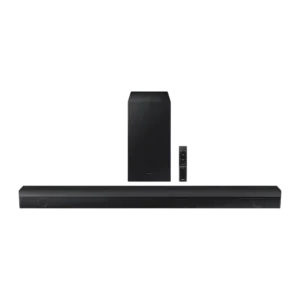
On-device controls were considered basic but useful and cleanly implemented.
Pros: Dialogue clarity (for TV/soundbar use), Subwoofer
Cons: Dolby Atmos height effects, Smart features
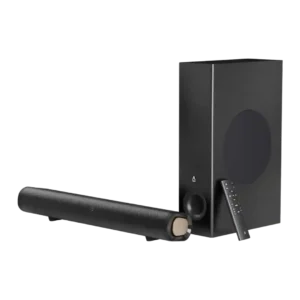
On-device controls are useful as backup basics, with reviewers appreciating physical buttons, though fuller control still depends on the remote.
Pros: Value for money, Surround sound simulation
Cons: Stereo imaging accuracy, Smart features

On-bar controls range from intuitive and nicely backlit to frustratingly hidden in horizontal placement. Physical usability depends heavily on orientation.
Pros: Overall product quality, Overall sound quality
Cons: Value for money, Video passthrough support