If you want better Amplifier power requirements
Choose Wharfedale Diamond 12.1i. It scores 4.9 vs 3.1 for Amplifier power requirements, with a 4.7 overall score.

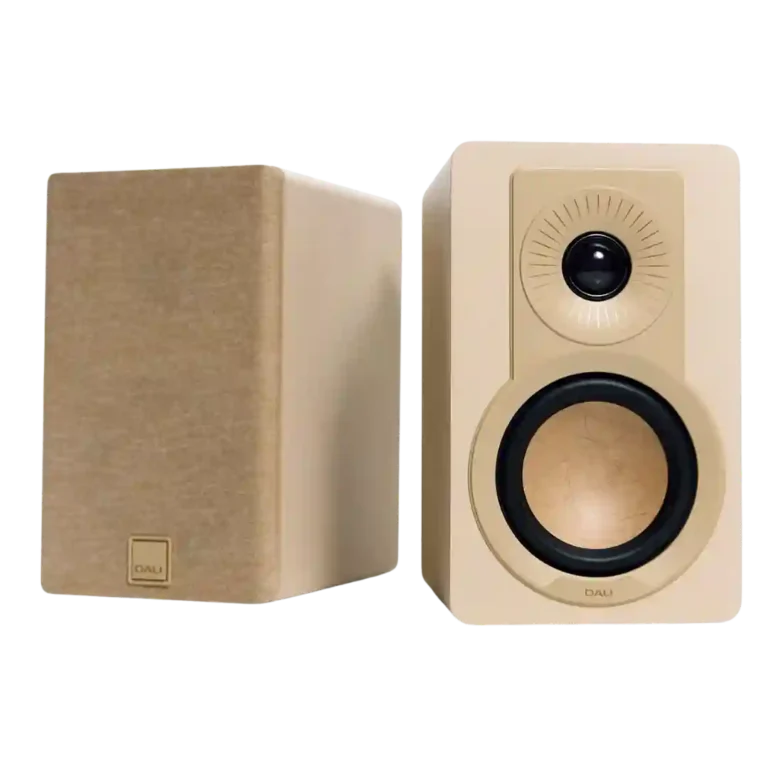
Choose the Kupid for lively, detailed sound in a desk or small-room system where compact size matters. Skip it if you need deep bass, huge-room output, or want to pair it with a weak amplifier.
Best for desks, offices, bedrooms, apartments and compact stereo systems where clear vocals, lively timing and a small footprint matter more than deep bass.
Not ideal for bass-heavy listeners, very large rooms, sustained party-level playback, or systems built around weak amplification without plans for a subwoofer.
The Kupid earns unusually broad praise for a speaker this small. Reviewers consistently highlight its clear, expressive midrange, precise imaging, agile dynamics and smooth, detailed treble, while the compact cabinet and colorful finishes make it easy to live with in offices, bedrooms and smaller rooms. Its main tradeoff is physical scale: bass is tight and punchy rather than deep, and several reviewers recommend a subwoofer for full-range listening or larger spaces. The 83 dB sensitivity and 4-ohm load also reward a capable amplifier, even though many affordable modern amps worked well in practice. Value is strongest at European pricing; at roughly $600 in the U.S., some reviewers see tougher competition.
Compared with other Bookshelf Speakers, this product is above average in Small-room suitability, Weight convenience, Midrange performance, near average in Design and aesthetics, Cabinet construction / bracing, below average in Amplifier power requirements, Bass performance, Loudness / maximum volume.
| Attribute | This product | Category average | Difference |
|---|---|---|---|
| Amplifier power requirements | 3.1 | 4.6 | -1.5 |
| Small-room suitability | 5.0 | 4.1 | +0.9 |
| Weight convenience | 5.0 | 3.7 | +1.3 |
| Midrange performance | 4.9 | 4.1 | +0.8 |
| Bass performance | 3.7 | 4.4 | -0.7 |
| Distortion at high volume | 4.9 | 3.8 | +1.1 |
| Low-volume performance | 5.0 | 4.0 | +1.0 |
| Dynamic headroom | 5.0 | 4.4 | +0.6 |
Choose Wharfedale Diamond 12.1i. It scores 4.9 vs 3.1 for Amplifier power requirements, with a 4.7 overall score.
Choose Dali Sonik 1. It scores 4.5 vs 3.7 for Bass performance, with a 4.3 overall score.
Choose KEF Coda W. It scores 4.8 vs 4.4 for Cabinet construction / bracing, with a 4.4 overall score.
Choose Cambridge Audio L/R X. It scores 4.6 vs 3.8 for Loudness / maximum volume, with a 4.2 overall score.
Compared with Dali Kupid
Not necessarily for nearfield or casual small-room listening, but reviewers repeatedly recommend a subwoofer if you want deep bass, larger-room weight or stronger movie impact.
They are rated at 83 dB sensitivity and 4 ohms, so capable amplification matters. Many reviewers had good results with affordable amps, but weak or thin-sounding amplification can leave performance on the table.
Yes. This is one of the strongest points of agreement: the compact size, wide imaging and strong low-volume performance make them especially well suited to desks, bedrooms, offices and apartments.
The dominant description is lively, clear and engaging, with an especially strong midrange, precise imaging and smooth detailed treble. Bass is tight and punchy but not truly deep.
They can reach surprisingly strong levels for their size and often stay composed, but several reviewers heard compression or harshness when pushed to extreme party volumes.
Most reviewers consider them strong value, especially at European pricing. At roughly $600 in the U.S., value is more debated because some larger rivals offer deeper bass or more luxurious finishes for similar or less money.
These are a few of the reviews included in our analysis.




DALI "Kupid" 2-Way Compact (Passive) Loudspeaker – A Real Contender for The Loudspeaker Bargain of the Century
Is the DALI KUPID 1 the best bookshelf speaker value at $600/pair? Our in-depth review covers its compact 2-way design, proprietary 4.5-inch...
Small in stature and even light in price, Paul Rigby checks out the little 4 Ohm Dali Kupid speaker designs
First Look at the DALI KUPID, a compact 2-way bookshelf loudspeaker priced around €338 per pair, with a 4½-inch driver and 26mm soft-dome...
DALI Kupid speakers: design, build and sound performance. A compact, precise speaker ideal for close-up listening.
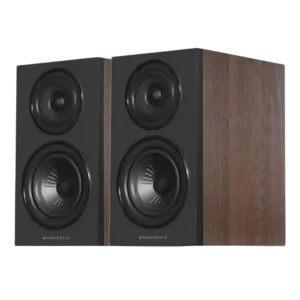
Choose the Diamond 12.1i for balanced, punchy hi-fi sound, strong bass and premium build at a budget price. Skip it if you mostly listen very quietly, need shallow-shelf placement, or...
Pros: Design and aesthetics, Music performance
Cons: Low-volume performance
Choose the Kupid for lively, detailed sound in a desk or small-room system where compact size matters. Skip it if you need deep bass, huge-room output, or want to pair...
Pros: Bass performance, Value for money
Cons: Amplifier power requirements, Break-in period
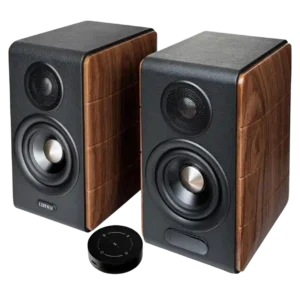
Choose these if you want detailed, room-filling sound, excellent connectivity, and premium styling in a compact powered pair. Skip them if you need effortless remote control, native streaming services, HDMI...
Pros: Overall product quality, Overall sound quality
Cons: Remote control usability, Control button responsiveness
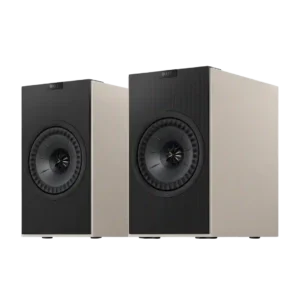
Choose the Coda W if you want big, precise stereo sound, strong bass, HDMI ARC and simple turntable/desktop connectivity without a separates stack. Skip it if built-in Wi-Fi/multi-room streaming, compact...
Pros: Stereo imaging accuracy, Aesthetic design / Finish options
Cons: Smart features, EQ customization