If you want better Control button responsiveness
Choose KEF Coda W. It scores 5.0 vs 2.1 for Control button responsiveness, with a 4.4 overall score.

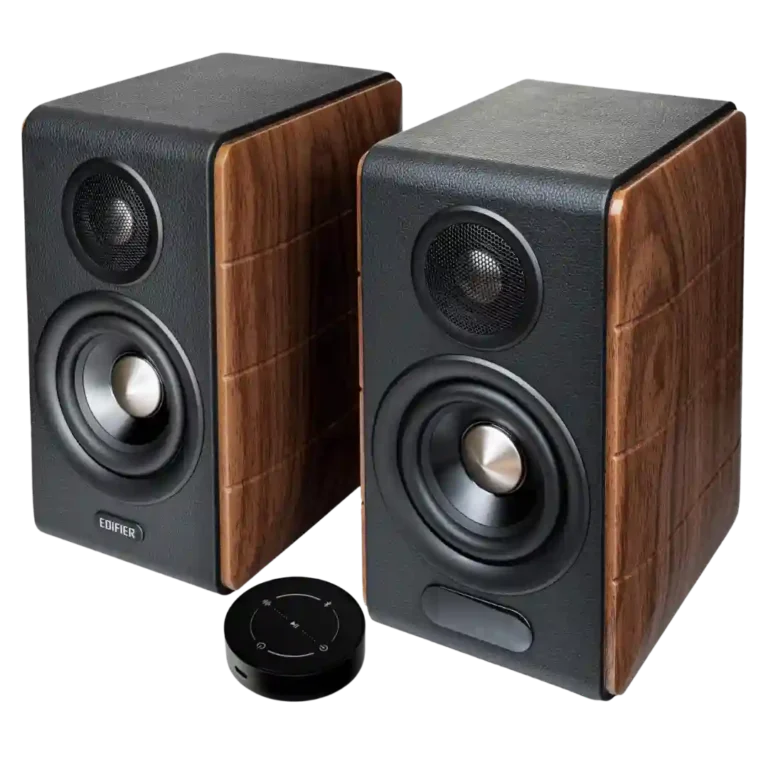
Choose these if you want detailed, room-filling sound, excellent connectivity, and premium styling in a compact powered pair. Skip them if you need effortless remote control, native streaming services, HDMI ARC, or truly deep bass without a subwoofer.
Best for desktop, office, or small-room listeners who want a self-contained powered hi-fi pair with detailed sound, many wired inputs, Bluetooth LDAC, and optional subwoofer expansion.
Less suitable for buyers who prioritize tactile, foolproof controls, native AirPlay or Spotify Connect, HDMI ARC, or deep bass without adding a subwoofer.
The S880DB MKII succeeds first as a compact, self-contained hi-fi system: sound is consistently praised for clarity, detail, imaging, and surprising scale, while USB-C, optical, coaxial, RCA, Bluetooth LDAC, and a sub output make it unusually flexible. Its styling and build also feel more premium than ordinary desktop speakers. The compromises are mostly ergonomic and contextual. The touch remote frequently misreads gestures or wakes slowly, and rear-mounted physical controls are not always convenient. Bass is impressive for the cabinet size in many rooms, but some listeners still find it underextended or boomy depending on placement, so the sub output matters. Value is excellent at common discounts but less convincing at full retail, especially beside cheaper Edifier alternatives. Overall, the acoustic performance is stronger than the user interface.
Compared with other Bookshelf Speakers, this product is above average in Status indicators, On-device controls, Included accessories, near average in Aesthetic design / Finish options, Cabinet construction / bracing, below average in Soundstage height, AirPlay compatibility, HDMI ARC.
| Attribute | This product | Category average | Difference |
|---|---|---|---|
| Soundstage height | 2.0 | 4.3 | -2.3 |
| AirPlay compatibility | 1.5 | 3.8 | -2.3 |
| HDMI ARC | 2.0 | 4.1 | -2.1 |
| Status indicators | 5.0 | 3.1 | +1.9 |
| Control button responsiveness | 2.1 | 3.9 | -1.8 |
| On-device controls | 4.4 | 3.0 | +1.3 |
| Included accessories | 5.0 | 3.6 | +1.4 |
| Audio format support | 5.0 | 3.7 | +1.3 |
Choose KEF Coda W. It scores 5.0 vs 2.1 for Control button responsiveness, with a 4.4 overall score.
Choose Edifier M90. It scores 5.0 vs 2.0 for HDMI ARC, with a 4.3 overall score.
Choose Kanto REN Speakers. It scores 4.0 vs 2.0 for Power bank function, with a 4.2 overall score.
Choose Wharfedale Diamond 12.1i. It scores 4.5 vs 2.0 for Soundstage height, with a 4.7 overall score.
Products reviewers directly compared with this model, grouped into quick takeaways.
It is generally clean, detailed, balanced, and spacious, with strong imaging and smooth treble. Some listeners find the midrange a little dry or the deepest bass limited, but the overall sound verdict is very positive.
Often yes for desktop and small-room music: several tests found the bass surprisingly punchy and controlled. For the deepest movie effects or stronger sub-bass, the dedicated sub output is useful.
Yes. Compact size, strong output, low-volume performance, and broad connectivity make it especially well suited to desks, offices, and small to medium rooms, though very cramped desks may find it a little substantial.
Yes, especially over optical, with clear dialogue and solid stereo imaging. The main TV drawback is the lack of HDMI ARC, and it does not create the same wide cinematic spread as a larger home-theater setup.
The strongest options are USB-C, optical, coaxial, RCA, Bluetooth 5.3 with LDAC, and a subwoofer output. Native AirPlay and Spotify Connect are not supported, and aptX is also absent.
It is the biggest weakness. The rechargeable touch puck looks modern, but gesture mistakes, accidental commands, and wake-up lag are recurring complaints; the rear physical knobs or app can reduce dependence on it.
It is especially compelling at discounted street prices, where the sound, build, and connectivity punch above the cost. At full retail, some reviewers prefer cheaper Edifier alternatives, so pricing matters.
These are a few of the reviews included in our analysis.


Not sure whether you should buy passive or active speakers? We can help break down the differences.
Whether on a shelf or desk, The Edifier S880DB MkII speakers ooze class and project premium sound fidelity.
The Edifier S880DB MKII sits in an interesting space between lifestyle desktop speakers and compact hi-fi systems. On paper, it looks like a...
The 880DB speakers are small-footprint powered units that can, says Paul Rigby, be parachuted in, to solve most sonic problems
These Edifier speakers successfully merge elements of studio monitors with more lifestyle-leaning speakers
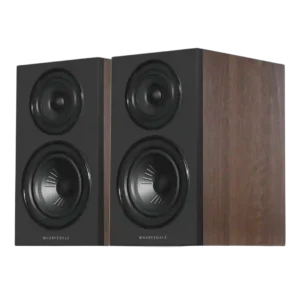
Choose the Diamond 12.1i for balanced, punchy hi-fi sound, strong bass and premium build at a budget price. Skip it if you mostly listen very quietly, need shallow-shelf placement, or...
Pros: Voice clarity, Dialogue clarity (for TV/soundbar use)
Cons: Distortion at high volume, Low-volume performance
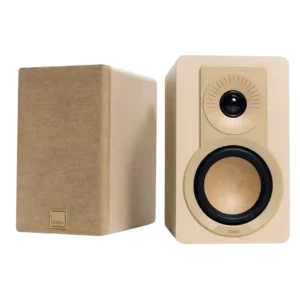
Choose the Kupid for lively, detailed sound in a desk or small-room system where compact size matters. Skip it if you need deep bass, huge-room output, or want to pair...
Pros: Voice clarity, Weight convenience
Cons: Price, Break-in period
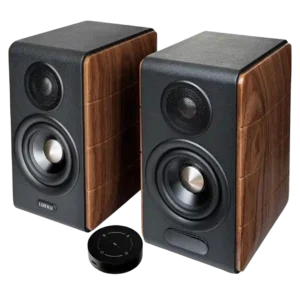
Choose these if you want detailed, room-filling sound, excellent connectivity, and premium styling in a compact powered pair. Skip them if you need effortless remote control, native streaming services, HDMI...
Pros: Loudness / maximum volume, Dialogue clarity (for TV/soundbar use)
Cons: AirPlay compatibility, Spotify Connect reliability
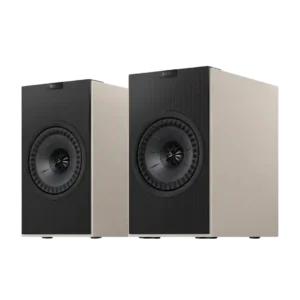
Choose the Coda W if you want big, precise stereo sound, strong bass, HDMI ARC and simple turntable/desktop connectivity without a separates stack. Skip it if built-in Wi-Fi/multi-room streaming, compact...
Pros: Dialogue clarity (for TV/soundbar use), Control button responsiveness
Cons: Status indicators, Cable management