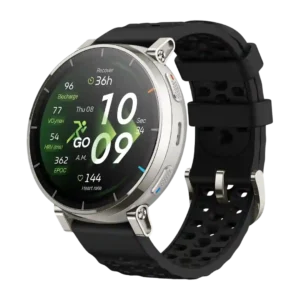
Overall: 4.3/5
Stress tracking is lightly but positively supported through Zepp app guidance that reassures the user after poor sleep or stress.
Pros: value for money, battery life
Cons: heart rate accuracy, third-party app support

Overall: 4.3/5
Stress tracking is lightly but positively supported through Zepp app guidance that reassures the user after poor sleep or stress.
Pros: value for money, battery life
Cons: heart rate accuracy, third-party app support
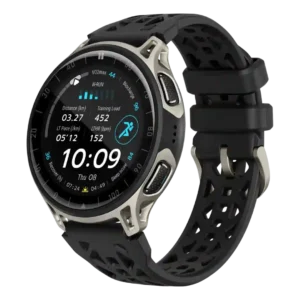
Overall: 3.9/5
Stress tracking was useful where it offered practical suggestions and fed into readiness-style guidance, but evidence was limited.
Pros: GPS accuracy, battery life
Cons: band quality, smartwatch features
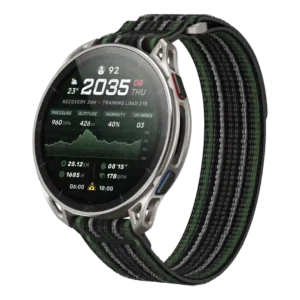
Overall: 4.0/5
Stress-related scoring is viewed positively through Hybrid Charge, which combines physical data with psychological stress inputs for more personalized feedback.
Pros: battery life, value for money
Cons: reliability
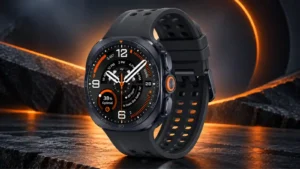
Overall: 4.2/5
Stress tracking is reported to work normally alongside Samsung’s other core health measurements. There is little dedicated testing of the stress metric itself, so the positive signal is limited.
Pros: battery life, comfort
Cons: value for money, charging speed

Overall: 4.0/5
Stress tracking can provide useful confirmation of physical strain. One account reports disappearing stress information after extended data collection.
Pros: mapping and navigation, battery life
Cons: value for money, software smoothness
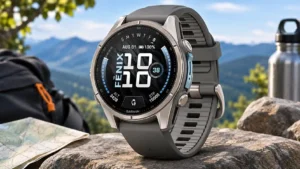
Overall: 3.9/5
Stress tracking feels convincing to one tester, while another encounters a missing stress score after weeks of wear. Access to the reading is less consistent than the underlying concept promises.
Pros: battery life, mapping and navigation
Cons: value for money, LTE connectivity
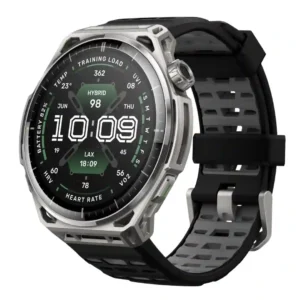
Overall: 4.2/5
Automatic stress tracking and breathing reminders can be helpful, but the actual stress scores inspired skepticism. The guided breathing nudge was valued more than the numerical reading.
Pros: battery life, brightness
Cons: fit, third-party app support