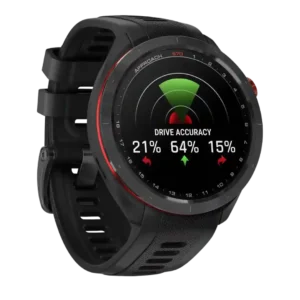
Recovery-style explanations are praised because the watch does not just show metrics but helps explain what they mean.
Pros: display quality, value for money
Cons: charging convenience, smartphone notifications

Recovery-style explanations are praised because the watch does not just show metrics but helps explain what they mean.
Pros: display quality, value for money
Cons: charging convenience, smartphone notifications
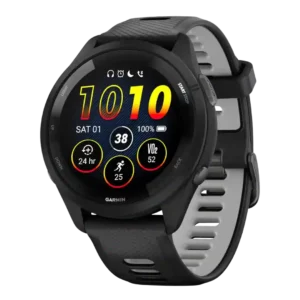
Recovery insights were widely praised, especially Training Readiness, HRV, Body Battery, and overtraining guidance, though usefulness depends on reliable heart-rate data.
Pros: battery life, value for money
Cons: mapping and navigation, smartwatch features
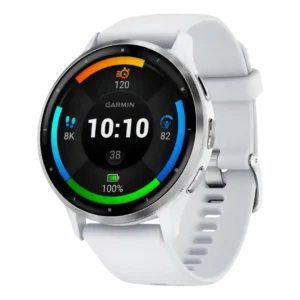
Recovery insights are a major strength, with reviewers repeatedly praising Body Battery, recovery time, sleep coach, and activity/rest guidance for planning training and rest.
Pros: battery life, GPS accuracy
Cons: smartwatch features, smartphone notifications
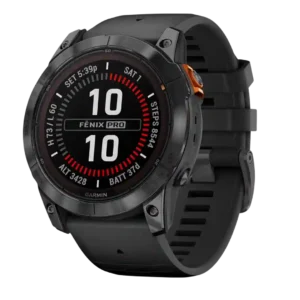
Recovery insights were praised for Training Readiness and related metrics that help decide training intensity and recovery needs.
Pros: battery life, mapping and navigation
Cons: value for money, score tracking
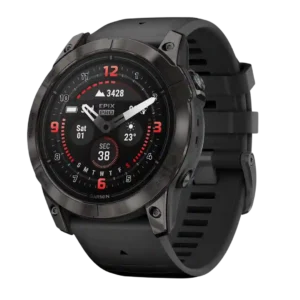
Recovery insights were praised for reflecting readiness through HRV and Training Readiness more usefully than basic sleep-only signals.
Pros: battery life, GPS accuracy
Cons: user interface, fit
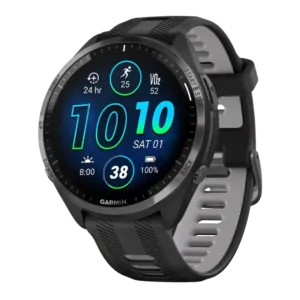
Recovery insights were a standout, especially Training Readiness, which reviewers found actionable, digestible, and useful.
Pros: battery life, GPS accuracy
Cons: smartwatch features, charging convenience
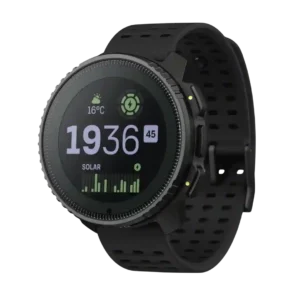
Recovery insights were viewed positively, with praise for Suunto’s recovery and fitness feedback plus personalized training guidance.
Pros: battery life, GPS accuracy
Cons: heart rate accuracy, value for money
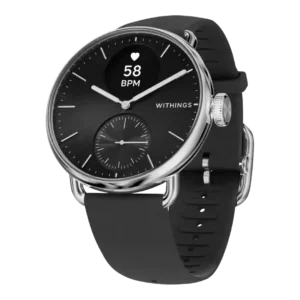
Recovery insights benefited from HRV and temperature data, but implementation was still simpler than more performance-oriented ecosystems.
Pros: style and design, battery life
Cons: smartwatch features, value for money
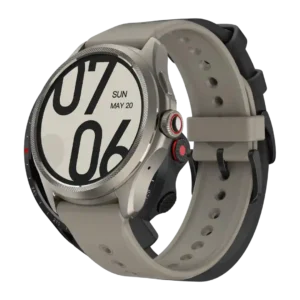
Recovery guidance was appreciated after workouts, though one reviewer wanted it to update dynamically instead of staying as a static number.
Pros: battery life, display quality
Cons: voice assistant quality, sleep tracking accuracy
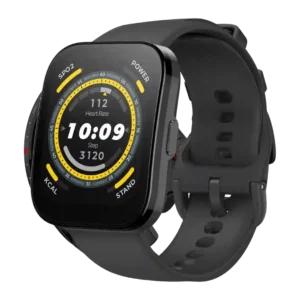
Recovery insights are useful but basic, with VO2 Max and training-load style data described as usable and valuable for a budget watch.
Pros: value for money, battery life
Cons: smartwatch features, app ecosystem
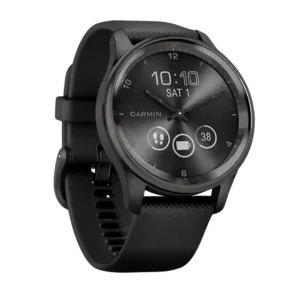
Recovery-style insights were supported through Garmin metrics such as Body Battery, fitness age, VO2 Max, and intensity minutes that reviewers felt helped explain readiness.
Pros: style and design, charging convenience
Cons: battery life, charging speed
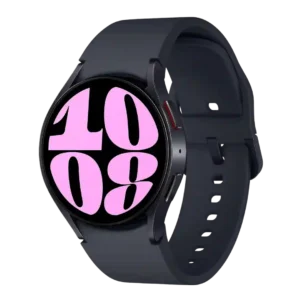
Recovery insights had limited but positive evidence around at-a-glance sleep and skin-temperature recovery-related data.
Pros: software smoothness, comfort
Cons: battery life, GPS accuracy
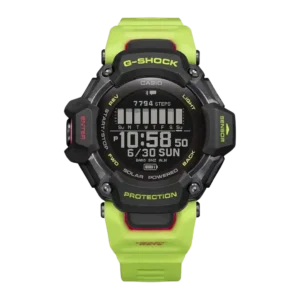
Recovery insights are useful when the underlying data is accurate, but some reviewers found the numbers abstract while others praised the actionable HRV-style feedback.
Pros: comfort, battery life
Cons: companion app quality, value for money
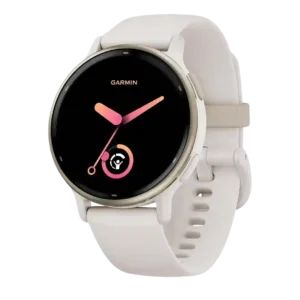
Recovery insights were useful for gauging energy and workout readiness, but reviewers wanted deeper or more reliable analysis.
Pros: value for money, GPS accuracy
Cons: sleep tracking accuracy, recovery insights
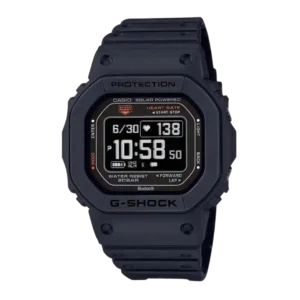
Recovery insights have potential through Polar-derived features, but reviewers often found the guidance opaque or unhelpful.
Pros: style and design, display quality
Cons: companion app quality, value for money
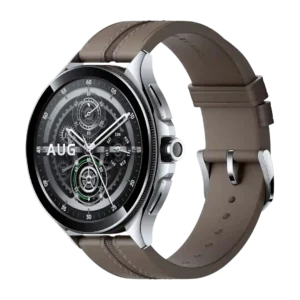
Recovery insights were sharply divided, with one reviewer finding them genuinely useful and others calling recovery or training-load figures rough, useless, or missing.
Pros: app ecosystem, battery life
Cons: size options, comfort
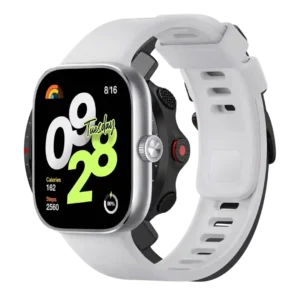
Recovery insights are weak because reviewers said the underlying sensor accuracy casts doubt on recovery and training recommendations.
Pros: battery life, display quality
Cons: band quality, smartwatch features