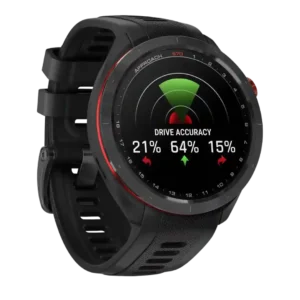
Recovery-style explanations are praised because the watch does not just show metrics but helps explain what they mean.
Pros: display quality, value for money
Cons: charging convenience, smartphone notifications

Recovery-style explanations are praised because the watch does not just show metrics but helps explain what they mean.
Pros: display quality, value for money
Cons: charging convenience, smartphone notifications
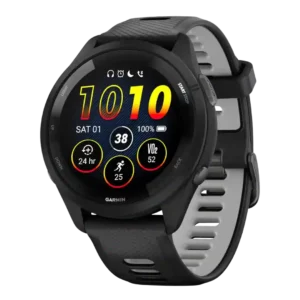
Recovery insights were widely praised, especially Training Readiness, HRV, Body Battery, and overtraining guidance, though usefulness depends on reliable heart-rate data.
Pros: battery life, value for money
Cons: mapping and navigation, smartwatch features
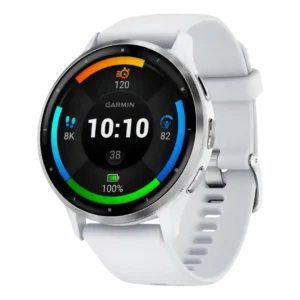
Recovery insights are a major strength, with reviewers repeatedly praising Body Battery, recovery time, sleep coach, and activity/rest guidance for planning training and rest.
Pros: battery life, GPS accuracy
Cons: smartwatch features, smartphone notifications
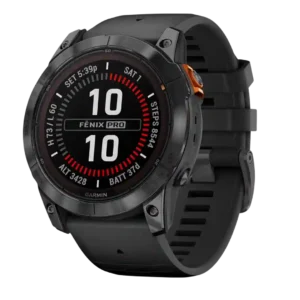
Recovery insights were praised for Training Readiness and related metrics that help decide training intensity and recovery needs.
Pros: battery life, mapping and navigation
Cons: value for money, score tracking
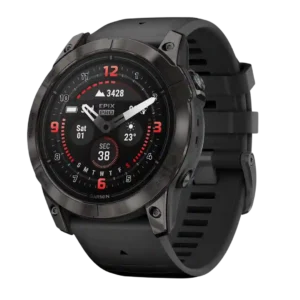
Recovery insights were praised for reflecting readiness through HRV and Training Readiness more usefully than basic sleep-only signals.
Pros: battery life, GPS accuracy
Cons: user interface, fit
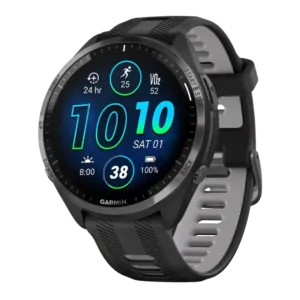
Recovery insights were a standout, especially Training Readiness, which reviewers found actionable, digestible, and useful.
Pros: battery life, GPS accuracy
Cons: smartwatch features, charging convenience
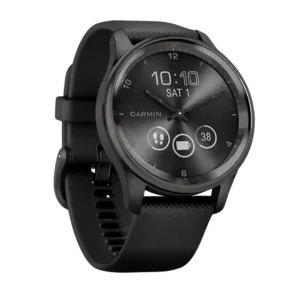
Recovery-style insights were supported through Garmin metrics such as Body Battery, fitness age, VO2 Max, and intensity minutes that reviewers felt helped explain readiness.
Pros: style and design, charging convenience
Cons: battery life, charging speed
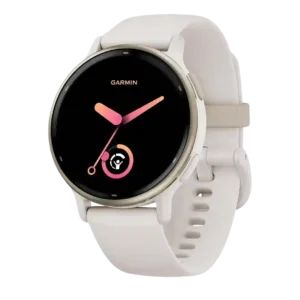
Recovery insights were useful for gauging energy and workout readiness, but reviewers wanted deeper or more reliable analysis.
Pros: value for money, GPS accuracy
Cons: sleep tracking accuracy, recovery insights