
Recovery and readiness tools are praised for helping shape training decisions and fine-tune workouts.
Pros: battery life, GPS accuracy
Cons: onboard music storage, mapping and navigation

Recovery and readiness tools are praised for helping shape training decisions and fine-tune workouts.
Pros: battery life, GPS accuracy
Cons: onboard music storage, mapping and navigation
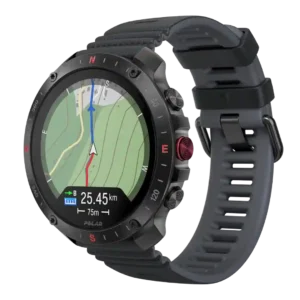
Recovery insights were one of Polar’s strongest areas, especially HRV and recovery-linked guidance.
Pros: GPS accuracy, mapping and navigation
Cons: value for money, companion app quality
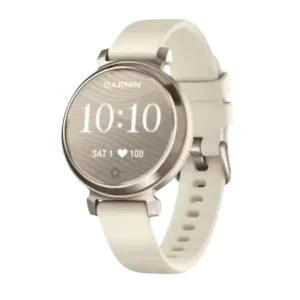
Body Battery and recovery-related guidance are praised for helping users decide when to rest or push harder.
Pros: battery life, style and design
Cons: sleep tracking accuracy, workout tracking variety
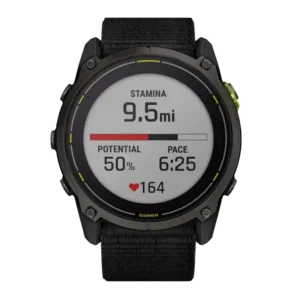
Recovery and training-readiness insights were repeatedly praised as useful for pacing training, race preparation, and deciding when to push or rest.
Pros: battery life, value for money
Cons: smartwatch features, size options
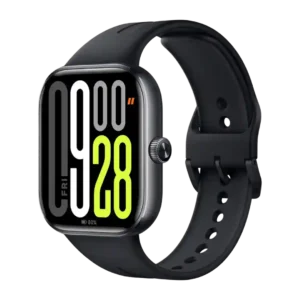
Recovery insights received limited positive evidence through beneficial breathing and running features tied to training and recovery.
Pros: battery life, display quality
Cons: smartphone notifications, sleep tracking accuracy
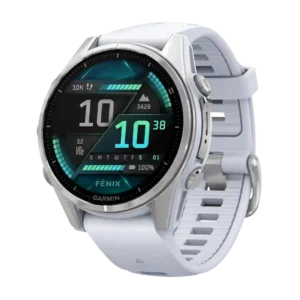
Recovery insights were praised as useful and well aligned with perceived energy, training readiness, and recovery needs.
Pros: battery life, GPS accuracy
Cons: value for money, call handling
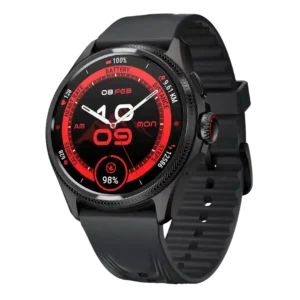
Recovery insight evidence was limited but positive where a reviewer specifically appreciated seeing recovery time after workouts.
Pros: battery life, value for money
Cons: operating system experience, voice assistant quality
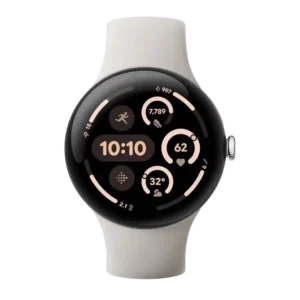
Readiness, Target Load, Cardio Load, and Morning Brief were repeatedly praised as useful recovery and effort-planning tools, with reviewers saying the scores often matched how they felt.
Pros: battery life, display quality
Cons: GPS accuracy, charging convenience
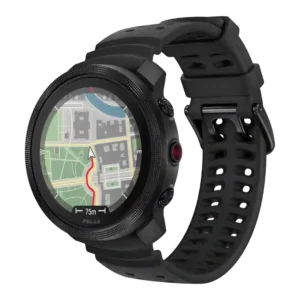
Recovery insights are a major strength, with Recovery Pro, Nightly Recharge, VO2 Max, orthostatic tests and training-load context repeatedly described as useful.
Pros: value for money, GPS accuracy
Cons: heart rate accuracy, companion app quality
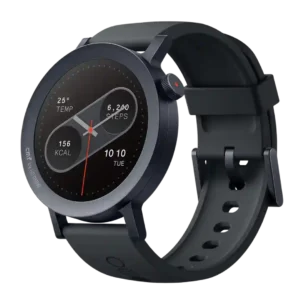
Recovery insights were surprisingly positive where tested, with training load, workout effect, and recovery estimates aligning well with Garmin comparisons.
Pros: value for money, battery life
Cons: GPS accuracy, sleep tracking accuracy
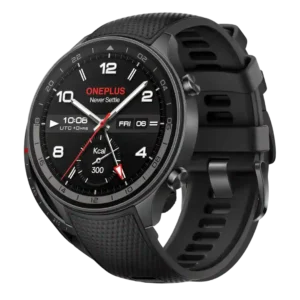
Running recovery and training-effect context were useful for casual runners, though not positioned as advanced athlete-grade analysis.
Pros: battery life, value for money
Cons: companion app quality, charging convenience
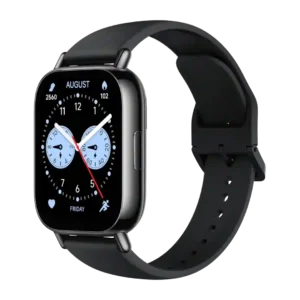
Recovery-related workout data was viewed as useful because the reviewer said the recorded metrics could help improve workout performance.
Pros: display quality, battery life
Cons: sleep tracking accuracy, voice assistant quality
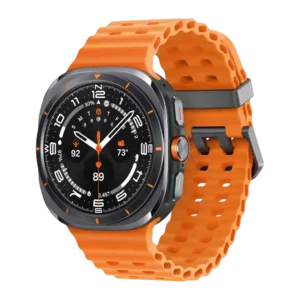
Recovery insights were useful when tied to Energy Score, Wellness Tips, sleep score factors, and physical recovery context, though reviewers did not treat them as perfect.
Pros: battery life, sleep tracking accuracy
Cons: wellness insights, style and design
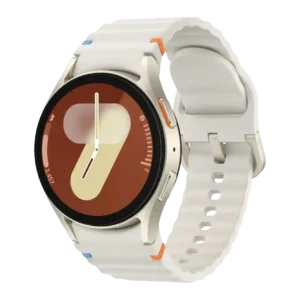
Recovery insights through Energy Score are useful for some reviewers and motivating for health habits, but others found the score static, quirky, or inaccurate.
Pros: value for money, wellness insights
Cons: battery life, cross-platform compatibility
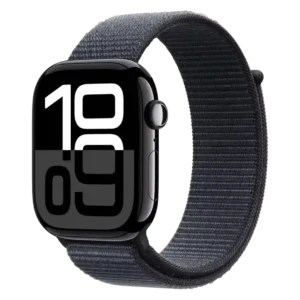
Recovery and Training Load insights were useful and easy to digest, but reviewers repeatedly wanted more numbers, guidance, or actionability.
Pros: charging speed, display quality
Cons: battery life, water resistance
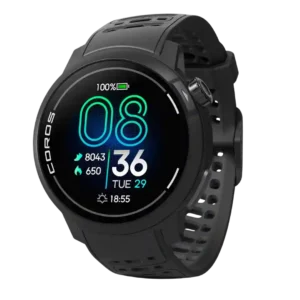
Recovery insights were useful but uneven, with positive recovery tools offset by criticism of training-load formulas and presentation.
Pros: battery life, GPS accuracy
Cons: heart rate accuracy, smartwatch features
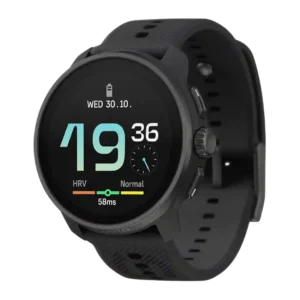
Recovery insights are useful when presented clearly, especially HRV and Progress-style metrics, but some reviewers found the packaging weak or the conclusions discouraging.
Pros: value for money, battery life
Cons: heart rate accuracy, onboard music storage
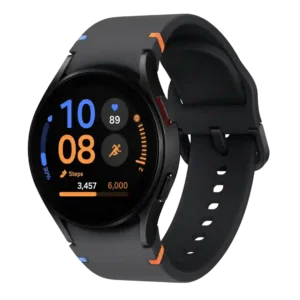
Recovery-related insight was mixed: one reviewer appreciated the holistic sleep score, while another missed activity-readiness style guidance.
Pros: smartwatch features, health tracking accuracy
Cons: value for money, software smoothness
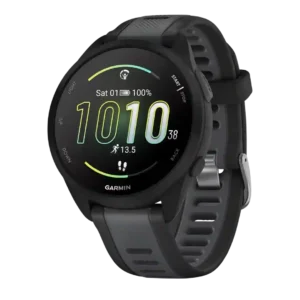
Recovery insights were useful but clearly limited versus higher Forerunners, with some reviewers calling out missing readiness/load tools or odd recovery estimates.
Pros: value for money, GPS accuracy
Cons: recovery insights, onboard music storage
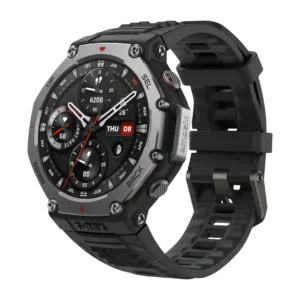
Recovery insights were one of the weakest areas, especially readiness and sleep scores that often felt too generous or inconsistent.
Pros: value for money, mapping and navigation
Cons: heart rate accuracy, recovery insights
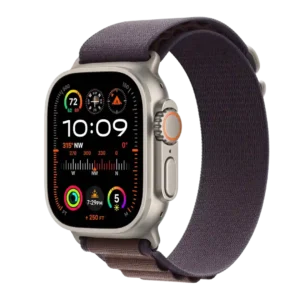
Recovery insights were a repeated weakness; reviewers wanted Garmin/Whoop-style readiness, training effect, and recovery interpretation.
Pros: battery life, voice assistant quality
Cons: value for money, mapping and navigation
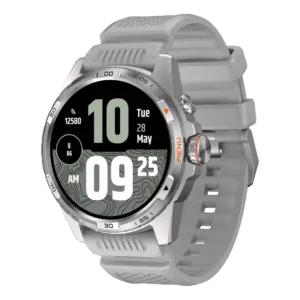
Recovery insights are weak, with reviewers saying suggestions felt off or required third-party apps.
Pros: battery life, display quality
Cons: operating system experience, voice assistant quality
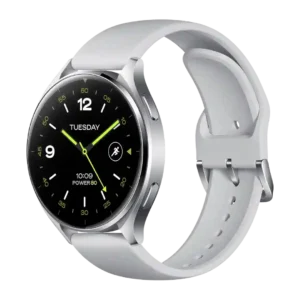
Recovery insights were criticized because suggested recovery times could be unrealistic enough that the reviewer learned to ignore them.
Pros: value for money, smartphone notifications
Cons: battery life, operating system experience