If you want better blood oxygen tracking
Choose OnePlus Watch 3. It scores 4.9 vs 2.0 for blood oxygen tracking, with a 4.0 overall score.

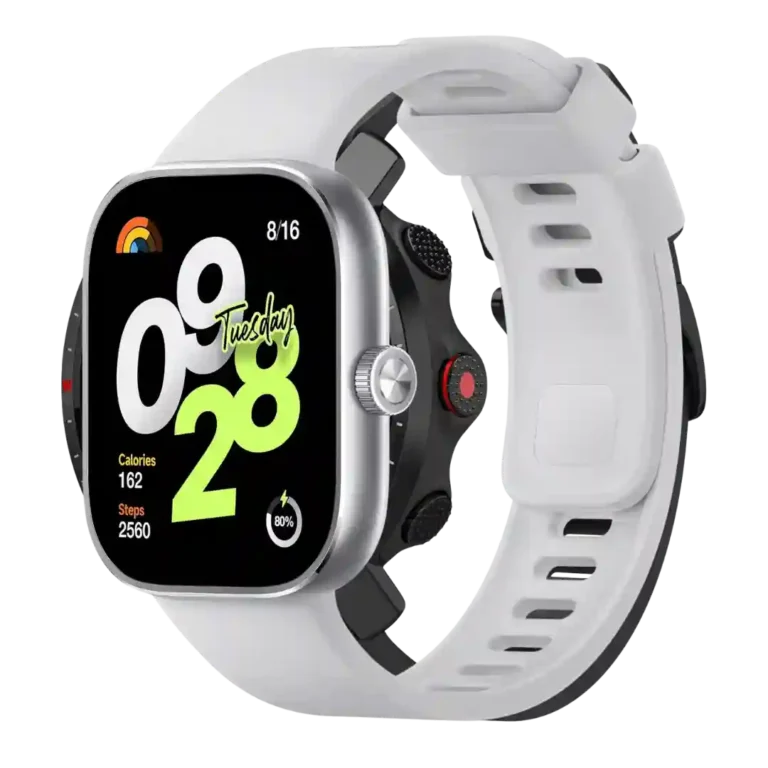
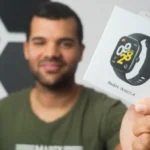
Choose the Redmi Watch 4 for a low-cost, good-looking watch with a big display and long battery life. Skip it if you need reliable fitness/health accuracy, deeper apps, payments, or richer smartwatch tools.
Best for budget buyers who want a stylish, lightweight smartwatch with a large bright screen, long battery life, basic health stats, calls, notifications, and plenty of workout modes.
Not for users who need precise heart-rate or recovery data, a deep app ecosystem, reliable contactless payments, LTE independence, or a smaller premium-feeling watch.
The Redmi Watch 4 earns its strongest praise for looking and feeling better than a budget watch, with a large bright display, smooth software, and battery life that many reviewers found excellent. The tradeoff is that its smartwatch layer stays basic: app support is limited, payments are missing or region-bound, and notifications often stop short of replies. Fitness value depends heavily on expectations. Reviewers liked the broad workout modes, beginner run guidance, and step or sleep basics, but heart-rate accuracy, recovery insights, blood oxygen, and some GPS results drew clear criticism. It works best as a stylish, long-lasting budget wearable, not as a precision fitness watch or full app-driven smartwatch.
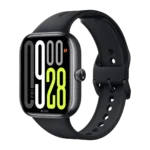
Compared with other Smartwatches, this product is above average in call handling, third-party app support, battery life, near average in software smoothness, display quality, below average in recovery insights, charging speed, heart rate accuracy.
| Attribute | This product | Category average | Difference |
|---|---|---|---|
| recovery insights | 1.8 | 3.9 | -2.2 |
| charging speed | 2.0 | 4.1 | -2.1 |
| heart rate accuracy | 2.0 | 3.9 | -1.9 |
| wellness insights | 2.2 | 4.0 | -1.9 |
| app ecosystem | 1.9 | 3.6 | -1.7 |
| reliability | 2.0 | 3.7 | -1.7 |
| blood oxygen tracking | 2.0 | 3.4 | -1.4 |
| contactless payments | 1.5 | 2.8 | -1.3 |
Choose OnePlus Watch 3. It scores 4.9 vs 2.0 for blood oxygen tracking, with a 4.0 overall score.
Choose Garmin Vivomove Sport. It scores 5.0 vs 2.0 for reliability, with a 3.7 overall score.
Choose Tag Heuer Connected Calibre E4. It scores 5.0 vs 1.5 for contactless payments, with a 4.3 overall score.
Choose Google Pixel Watch 4. It scores 4.9 vs 2.0 for charging speed, with a 4.2 overall score.
Products reviewers directly compared with this model, grouped into quick takeaways.
Reviewers generally liked the price-to-design and battery mix, but several still said competing watches can offer better smartwatch value or accuracy.
Battery life was the clearest strength. Reviewers reported more than a week, around two weeks in lighter use, and strong endurance even with some features enabled.
It is mixed. Workout variety and basic tracking were praised, but heart-rate accuracy, recovery insights, and some GPS results were criticized.
Bluetooth calls were generally reviewed positively, with clear or useful call handling. Notifications are readable, but replies and richer message handling are limited.
Reviewers repeatedly noted that it lacks a real app storefront or downloadable apps. Contactless payments were also treated as absent, limited, or not useful outside supported regions.
Yes. Reviewers consistently praised the big AMOLED display for brightness, outdoor readability, and smooth 60Hz interaction, though a few noted color or bezel compromises.
These are a few of the reviews included in our analysis.


Best for long battery life, accurate GPS and useful offline maps at a strong price. Skip it if you need payments, richer apps, a built-in LED flashlight or polished smartwatch...
Pros: mapping and navigation, value for money
Cons: smartwatch features, contactless payments

Best for accurate run tracking, deep Garmin coaching and phone-free Spotify in a light package. Skip it if you need full maps, triathlon mode, Apple Music support or the strongest...
Pros: value for money, GPS accuracy
Cons: mapping and navigation, third-party app support

Good if you want premium running features, long battery life, and maps for under $200. Skip it if you need flawless heart-rate data, multiband GPS, LTE, or richer app support.
Pros: value for money, battery life
Cons: heart rate accuracy, third-party app support

Best for accurate running metrics, excellent coaching tools, a bright AMOLED display, and dependable battery life. Skip it if you need offline maps, music storage, contactless payments, multi-band GPS, or...
Pros: battery life, value for money
Cons: mapping and navigation, smartwatch features