Best for remote monitoring
Anker Solix C1000
5.0 attribute score
Highest scored product for this attribute based on supporting review evidence.

Highest scored product for this attribute based on supporting review evidence.
Balances the attribute score, supporting reviews, and overall product strength.
Has the broadest review evidence for this attribute.
Strongest overall product among items with scored evidence for this attribute.
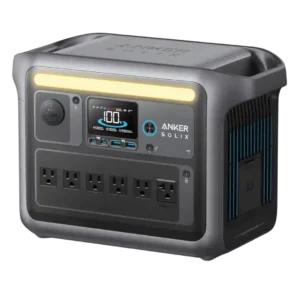
Phone access to charge, temperature, input, output, and time remaining is especially useful when the station sits under a desk, outside, or in another room.
Pros: overall product satisfaction, runtime
Cons: noise level, weight
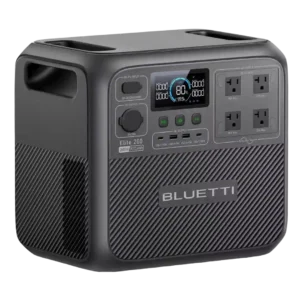
Wi-Fi and Bluetooth monitoring let owners check battery, load, and shutdown status without standing beside the unit.
Pros: overall product satisfaction, value for money
Cons: weight, battery expandability
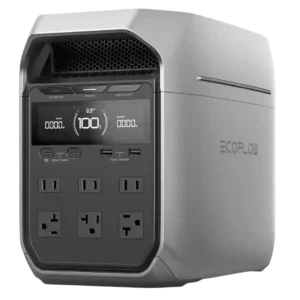
The app clearly shows battery level, charging rate, output draw, temperatures, and estimated runtime from anywhere the station has internet access.
Pros: overall product satisfaction, solar panel compatibility
Cons: long-term reliability, standby power loss
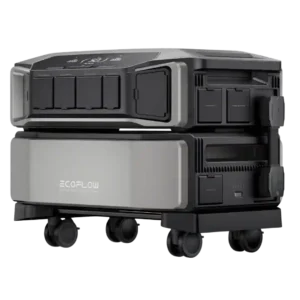
Remote status and control work well in positive tests, allowing owners to check power flow and battery condition away from the unit through connected access.
Pros: overall product satisfaction, value for money
Cons: customer support, shipping speed
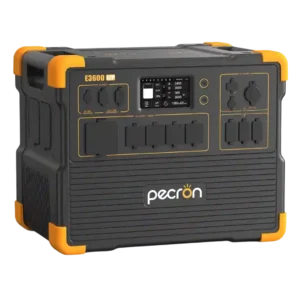
Remote monitoring is genuinely useful for long-running refrigerator, charging, and whole-home tests.
Pros: overall product satisfaction, value for money
Cons: long-term reliability, noise level
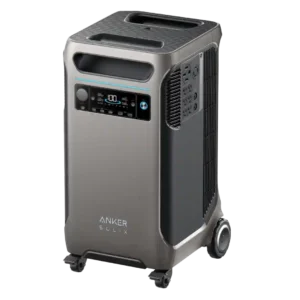
Wi-Fi monitoring provides live input, output, battery, and runtime information from outside Bluetooth range.
Pros: overall product satisfaction, home backup capability
Cons: value for money, weight
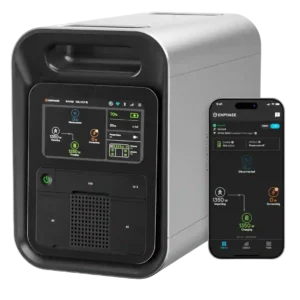
Battery level, load, charge status, and energy history can be checked remotely through the Enphase app.
Pros: display quality, overall product satisfaction
Cons: solar charging speed, weight
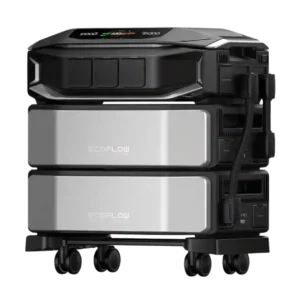
Remote monitoring is especially valuable during outages, showing grid status, battery charge, solar input, and per-circuit consumption even when the owner is away from home.
Pros: power output, home backup capability
Cons: AC outlet count, UPS functionality
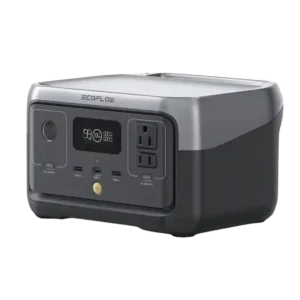
The app is especially handy when the unit is mounted under a seat or otherwise hard to see, showing charge, temperature, and power flow remotely.
Pros: overall product satisfaction, AC charging speed
Cons: runtime, high-demand appliance support
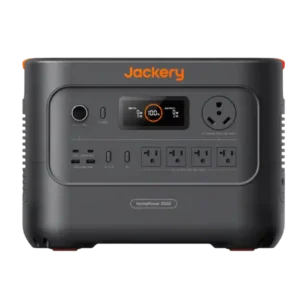
The app gives useful remote visibility into battery level, power flow, and estimated runtime.
Pros: high-demand appliance support, overall product satisfaction
Cons: accessory ecosystem, charging input compatibility
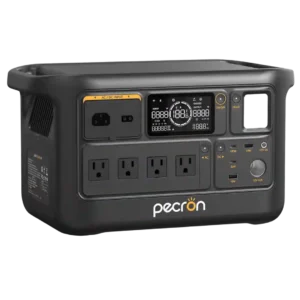
The app makes it easy to check battery percentage and power status from nearby without walking back to the station.
Pros: overall product satisfaction, load handling
Cons: battery expandability, long-term reliability
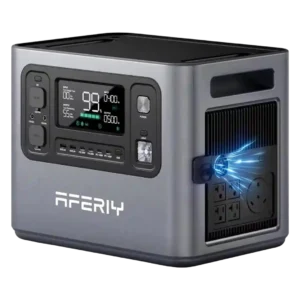
Remote status checks are valuable in boats, vans, garages, or outbuildings, showing charge level, loads, and power flow without visiting the unit.
Pros: overall product satisfaction, battery expandability
Cons: weight, built-in light
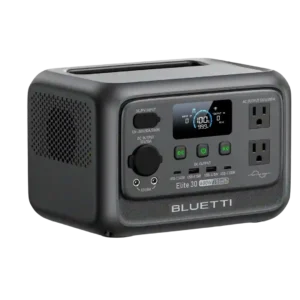
Status updates, charge-complete notifications, low-battery alerts, and live consumption data make unattended use easier to manage.
Pros: value for money, portability
Cons: battery capacity, standby power loss
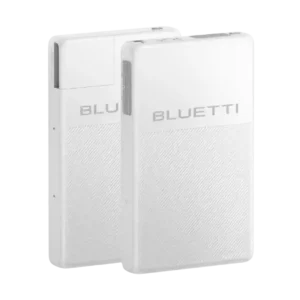
Weather alerts, outage notifications, battery warnings, and remote status checks add real peace of mind when nobody is home. Storm-triggered charging is especially valuable for an always-connected system.
Pros: overall product satisfaction, runtime
Cons: weight, DC output
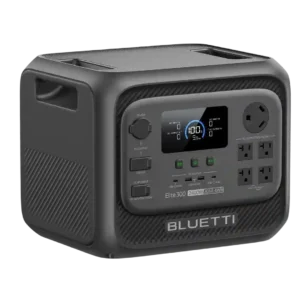
Detailed remote readouts show output, state of charge, and estimated runtime without requiring access to the front panel.
Pros: compactness, load handling
Cons: weight, battery expandability
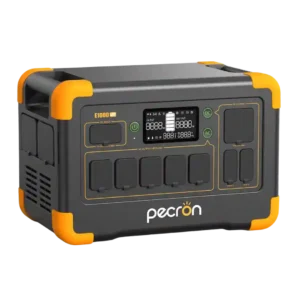
Wi-Fi/app access is genuinely useful for checking remaining charge and operating status from a tent, another room, or another building.
Pros: overall product satisfaction, value for money
Cons: standby power loss, surge capacity
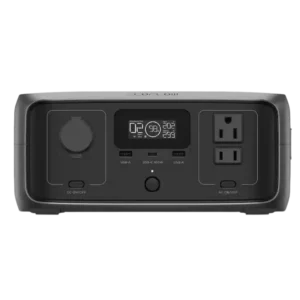
The app makes it easy to check battery level, load, and status from another room or away from home.
Pros: overall product satisfaction, portability
Cons: specification accuracy, display readability
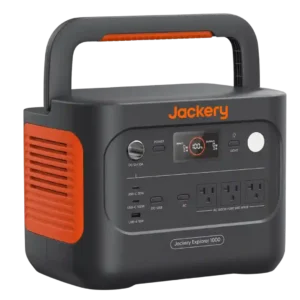
Battery level and power flow can be checked from a phone, especially useful when the station is hidden in a vehicle or equipment area.
Pros: overall product satisfaction, AC charging speed
Cons: solar panel compatibility, solar cable compatibility
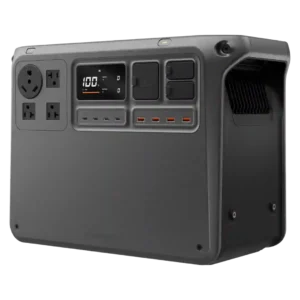
The app makes it convenient to check battery level, input, output, and remaining runtime without standing beside the unit.
Pros: noise level, power output
Cons: weight, accessory ecosystem
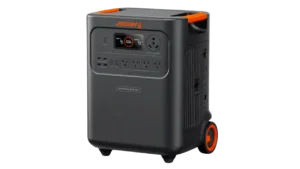
Remote monitoring is useful for checking battery level, power flow, and system status without standing beside the unit.
Pros: overall product satisfaction, portability
Cons: weight, solar charging speed
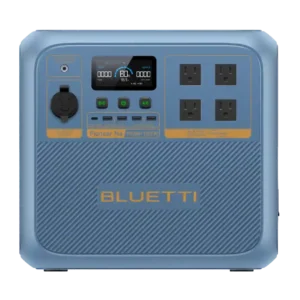
Monitoring works well within Bluetooth range but is weak for whole-home or off-site use because Wi-Fi is absent or unreliable.
Pros: overall product satisfaction, cold-weather performance
Cons: value for money, weight
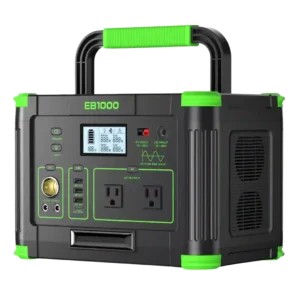
Without remote alerts or control, the station must be checked in person, which can be limiting when it is placed out of reach or in another area.
Pros: overall product satisfaction, value for money
Cons: long-term reliability, recharge speed
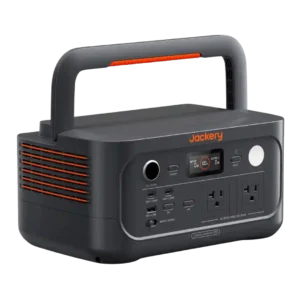
Remote monitoring is absent, so status and usage must be checked directly on the unit.
Pros: overall product satisfaction, compactness
Cons: high-demand appliance support, app connectivity