#1
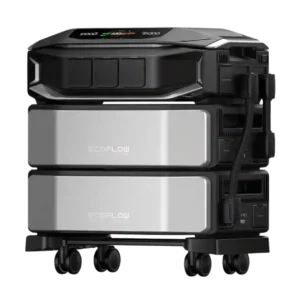
Remote monitoring is especially valuable during outages, showing grid status, battery charge, solar input, and per-circuit consumption even when the owner is away from home.
Pros: output stability, voltage regulation
Cons: solar cable compatibility, UPS functionality
#2
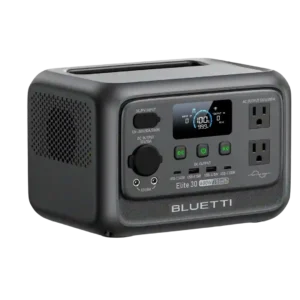
Status updates, charge-complete notifications, low-battery alerts, and live consumption data make unattended use easier to manage.
Pros: rated output, output stability
Cons: over-voltage protection, cold-weather performance
#3
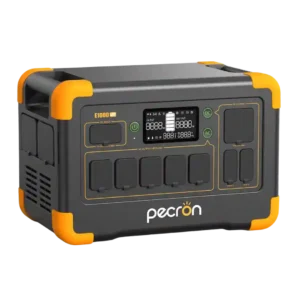
Wi-Fi/app access is genuinely useful for checking remaining charge and operating status from a tent, another room, or another building.
Pros: inverter quality, LiFePO4 battery
Cons: idle noise, built-in light
#4
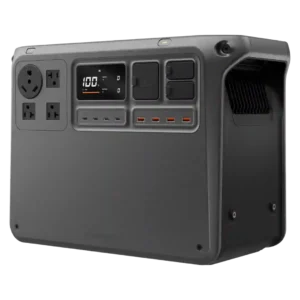
The app makes it convenient to check battery level, input, output, and remaining runtime without standing beside the unit.
Pros: rated output, peak output
Cons: startup reliability, full-load noise
#5
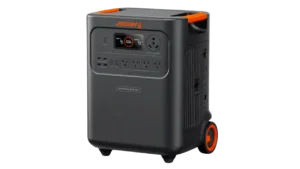
Remote monitoring is useful for checking battery level, power flow, and system status without standing beside the unit.
Pros: output stability, voltage regulation
Cons: DC output, 12-volt outlet
#6
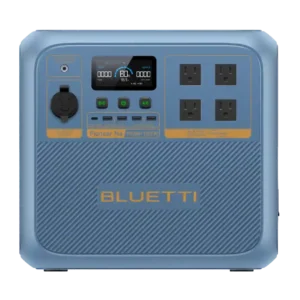
Monitoring works well within Bluetooth range but is weak for whole-home or off-site use because Wi-Fi is absent or unreliable.
Pros: pure sine wave output, startup performance
Cons: MPPT controller performance, battery expandability
#7
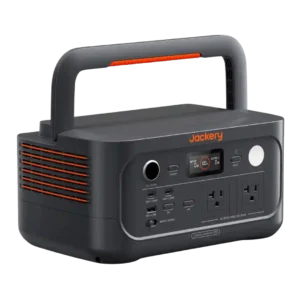
Remote monitoring is absent, so status and usage must be checked directly on the unit.
Pros: output stability, pure sine wave output
Cons: remaining runtime estimate, Bluetooth connectivity
