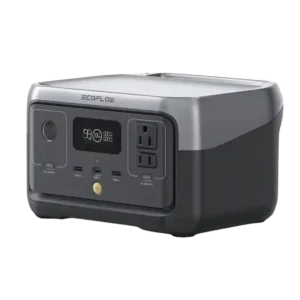
The small footprint is a defining advantage, fitting vehicles, bags, desks, and crowded camping kits without sacrificing basic outputs.
Pros: overall product satisfaction, AC charging speed
Cons: runtime, high-demand appliance support

The small footprint is a defining advantage, fitting vehicles, bags, desks, and crowded camping kits without sacrificing basic outputs.
Pros: overall product satisfaction, AC charging speed
Cons: runtime, high-demand appliance support
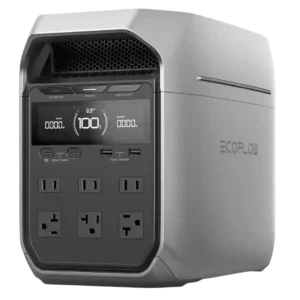
The narrow, roughly desktop-tower-sized body fits well in vehicles, closets, RVs, and crowded workspaces.
Pros: overall product satisfaction, solar panel compatibility
Cons: long-term reliability, standby power loss
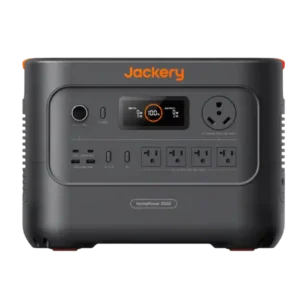
The compact body is one of the product's strongest differentiators, fitting 3kWh capacity and 3,600W output into a surprisingly small enclosure.
Pros: high-demand appliance support, overall product satisfaction
Cons: accessory ecosystem, charging input compatibility
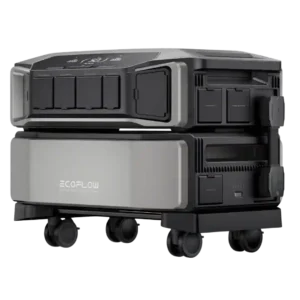
Despite its huge capacity potential, the stacked design can be relatively space-efficient. Reviewers liked how the compact footprint fits better into closets and tighter utility areas.
Pros: overall product satisfaction, value for money
Cons: customer support, shipping speed
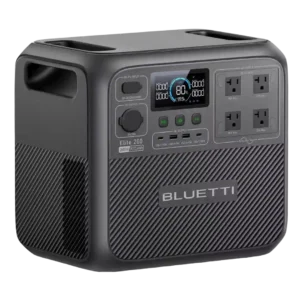
This is exceptionally compact for a 2kWh, 2.6kW station, fitting easily into vans, vehicles, workshops, and tight home storage spots.
Pros: overall product satisfaction, value for money
Cons: weight, battery expandability
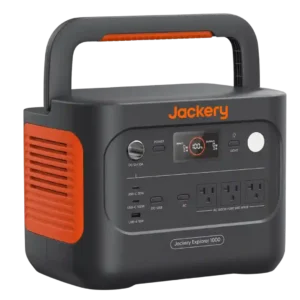
The redesigned body is notably compact for a 1kWh station and fits easily in trunks, RV storage, workshops, and tight camp setups.
Pros: overall product satisfaction, AC charging speed
Cons: solar panel compatibility, solar cable compatibility
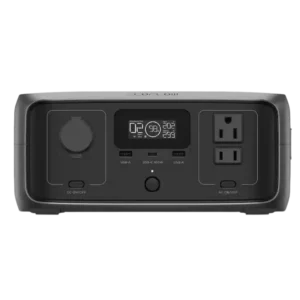
Its low, compact body is one of the most praised traits, fitting under seats, in bags, and on crowded desks. A small minority expected an even smaller unit.
Pros: overall product satisfaction, portability
Cons: specification accuracy, display readability
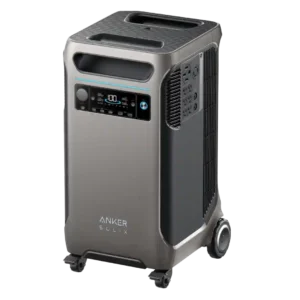
The tall, narrow form factor uses floor space efficiently and is surprisingly compact for a 6kW home-backup station.
Pros: overall product satisfaction, home backup capability
Cons: value for money, weight
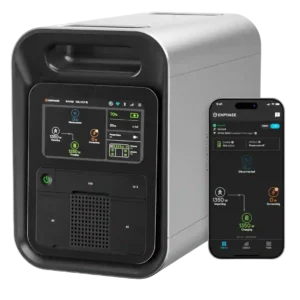
Despite its weight, the enclosure packs a sophisticated 1.5 kWh system into a relatively compact footprint.
Pros: display quality, overall product satisfaction
Cons: solar charging speed, weight
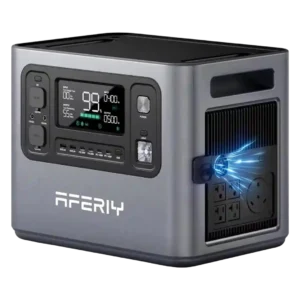
Despite its 2kWh capacity, the unit was considered fairly compact and practical for vehicle-based travel.
Pros: overall product satisfaction, battery expandability
Cons: weight, built-in light
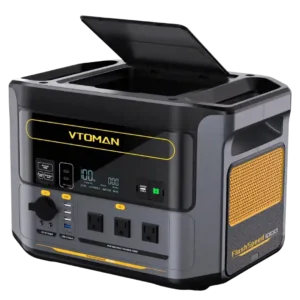
Despite its 828Wh capacity, the body occupies more trunk or storage space than some higher-capacity rivals.
Pros: overall product satisfaction, AC charging speed
Cons: weight, display readability
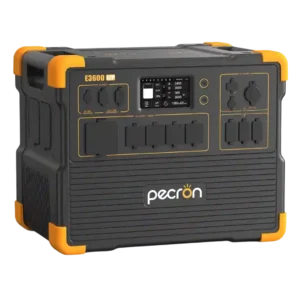
This is not a compact station; its bulky body is better suited to stationary backup than frequent travel.
Pros: overall product satisfaction, value for money
Cons: long-term reliability, noise level