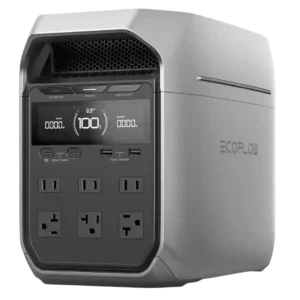
Most users can unpack, connect, and begin using the station or app within minutes.
Pros: rated output, peak output
Cons: 30-amp output, parallel operation support

Most users can unpack, connect, and begin using the station or app within minutes.
Pros: rated output, peak output
Cons: 30-amp output, parallel operation support
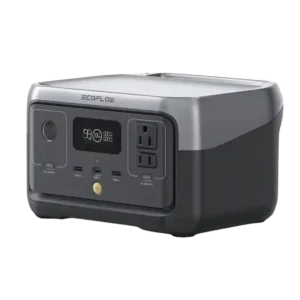
Most buyers found setup, app pairing, and first use straightforward, with plug-and-play operation.
Pros: surge capacity, output stability
Cons: dual-input charging, whole-home integration
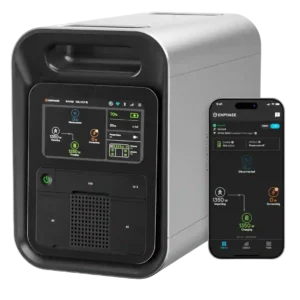
Charging, app pairing, Wi-Fi connection, and basic operation are repeatedly described as straightforward.
Pros: rated output, output stability
Cons: runtime at full load, RV outlet
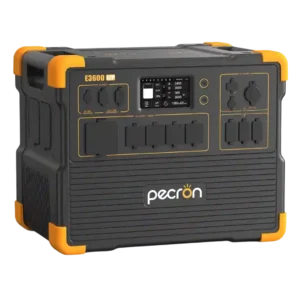
Setup is largely plug-and-play, helped by clear controls and, in one case, an excellent manual.
Pros: power output, rated output
Cons: output stability, voltage regulation
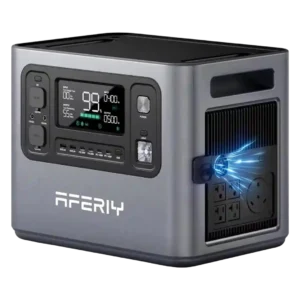
The all-in-one design is far simpler than assembling batteries, an inverter, charge controllers, fuses, and heavy cabling separately.
Pros: rated output, peak output
Cons: app connectivity, voltage regulation
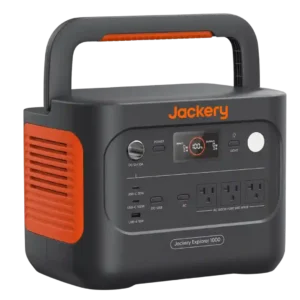
There is no assembly or complicated startup process; users can connect the app or simply plug in devices and begin.
Pros: rated output, peak output
Cons: standby power loss, specification accuracy
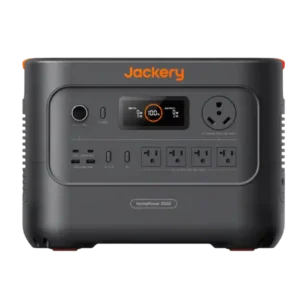
Basic setup is simple: connect wall power, solar, or both, and the station is ready with little configuration.
Pros: power output, rated output
Cons: battery expandability, car charging speed
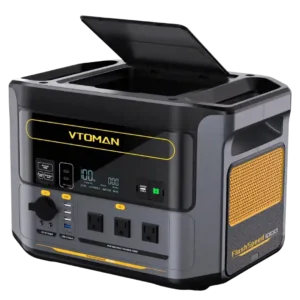
The controls are simple enough that first-time users needed little help from the manual before charging devices.
Pros: inverter quality, power quality
Cons: Wi-Fi connectivity, weather resistance
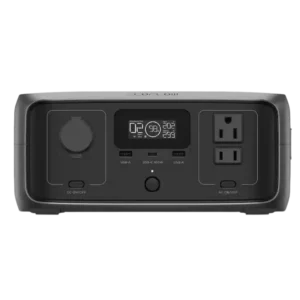
Network pairing and initial operation are typically quick, requiring little effort.
Pros: noise level, idle noise
Cons: self-discharge rate, air travel suitability
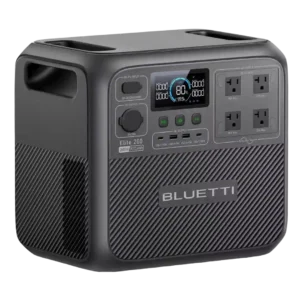
Most users can plug in and start immediately, although app setup and unusual charging behavior caused occasional frustration.
Pros: output stability, pure sine wave output
Cons: specification accuracy, startup reliability
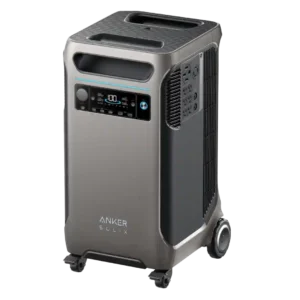
Portable setup is usually plug-and-play, and even electrician-installed home integrations were described as straightforward. A small number of users struggled with Bluetooth, solar, or regional app settings.
Pros: rated output, output stability
Cons: car charging speed, USB-A ports
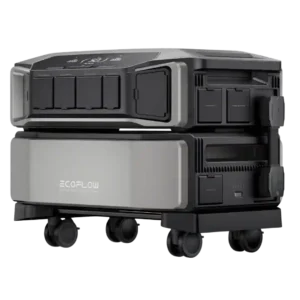
Basic inverter-and-battery setup is usually quick and plug-and-play, and several owners were running within minutes. Whole-home integration is more demanding and often requires panel work or a licensed electrician.
Pros: power quality, simultaneous device support
Cons: battery percentage accuracy, firmware updates