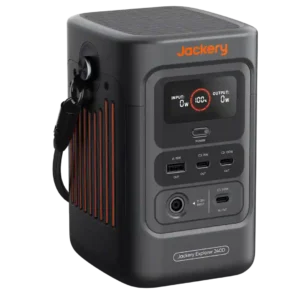
Compactness is the clearest consensus strength. The 240D fits backpacks, shelves, vehicle storage, and campsite setups far more easily than inverter-equipped stations.
Pros: power output, rated output
Cons: AC outlet count, repairability

Compactness is the clearest consensus strength. The 240D fits backpacks, shelves, vehicle storage, and campsite setups far more easily than inverter-equipped stations.
Pros: power output, rated output
Cons: AC outlet count, repairability
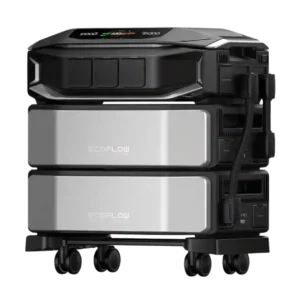
For a system with this much output and storage potential, the modular stacked design keeps the footprint relatively contained. It is still a large home-energy product, not a compact camping...
Pros: output stability, voltage regulation
Cons: solar cable compatibility, UPS functionality
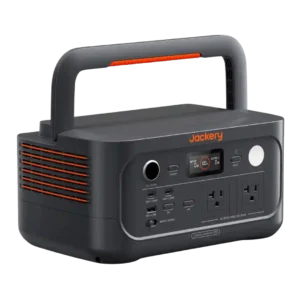
Compactness is a defining strength. Reviewers repeatedly praised the lunch-box-like footprint, easy vehicle storage, and ability to deliver meaningful capacity without becoming bulky.
Pros: output stability, pure sine wave output
Cons: remaining runtime estimate, Bluetooth connectivity
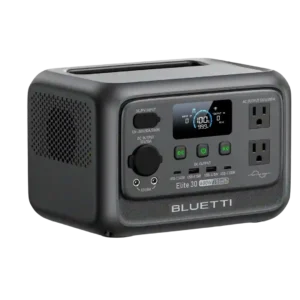
Its small footprint is one of the clearest strengths. It fits under desks, in tents, vehicles, sheds, and crowded camping setups without feeling like a burden.
Pros: rated output, output stability
Cons: over-voltage protection, cold-weather performance
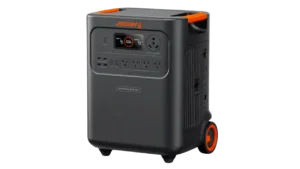
Compactness is a standout achievement for a power station with this much battery and inverter capacity.
Pros: output stability, voltage regulation
Cons: DC output, 12-volt outlet
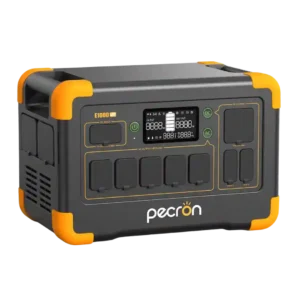
The E1000LFP packs substantial capability into a relatively compact body that is easy to place and move compared with many similarly capable stations.
Pros: inverter quality, LiFePO4 battery
Cons: idle noise, built-in light
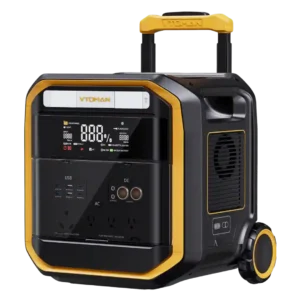
For a 3.1kWh station, the body is impressively compact and luggage-like. Several reviewers were surprised by how much capacity VTOMAN packed into the footprint.
Pros: power output, surge capacity
Cons: specification accuracy, peak output
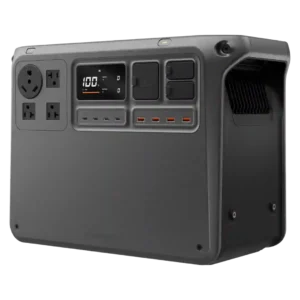
The capacity-to-size ratio is excellent, allowing the station to fit in vehicles, closets, and workspaces more easily than many rivals.
Pros: rated output, peak output
Cons: startup reliability, full-load noise
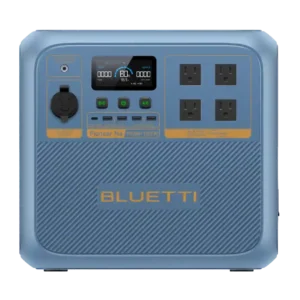
The sodium pack is bulky relative to the amount of energy it stores, so the unit is less compact than comparable lithium alternatives.
Pros: pure sine wave output, startup performance
Cons: MPPT controller performance, battery expandability