#1
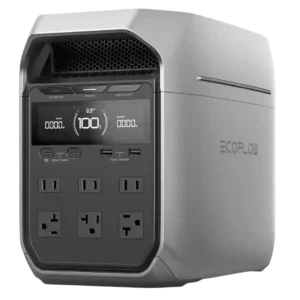
Wall charging consistently finishes in about 55–75 minutes, and the rate can be reduced when quieter operation or battery care matters more.
Pros: overall product satisfaction, solar panel compatibility
Cons: long-term reliability, standby power loss
#2
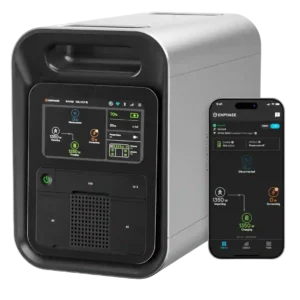
Wall charging is a standout strength, with a full recharge consistently described as taking roughly 75 minutes or just over an hour.
Pros: display quality, overall product satisfaction
Cons: solar charging speed, weight
#3
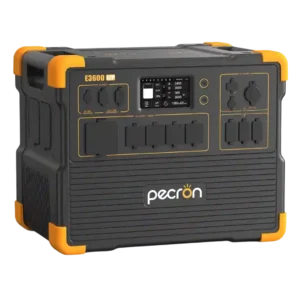
AC charging is consistently fast, with standard charging around two hours and the optional 30-amp cable cutting that substantially.
Pros: overall product satisfaction, value for money
Cons: long-term reliability, noise level
#4
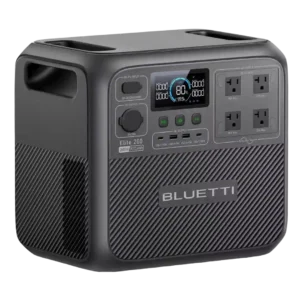
Wall charging is a standout strength, with reviewers repeatedly reaching roughly 80% in about an hour and full capacity soon after.
Pros: overall product satisfaction, value for money
Cons: weight, battery expandability
#5
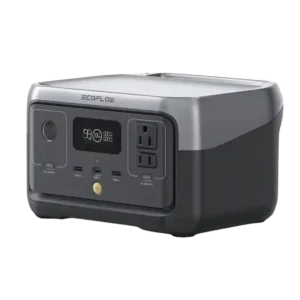
A roughly 58-60 minute wall recharge is the clearest consensus strength and changes how easily the unit can be topped up between trips.
Pros: overall product satisfaction, AC charging speed
Cons: runtime, high-demand appliance support
#6
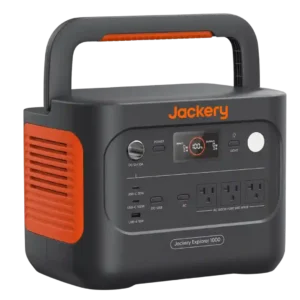
Wall charging is a standout strength: standard mode is already quick, while the app-enabled emergency mode can refill the battery in about an hour.
Pros: overall product satisfaction, AC charging speed
Cons: solar panel compatibility, solar cable compatibility
#7
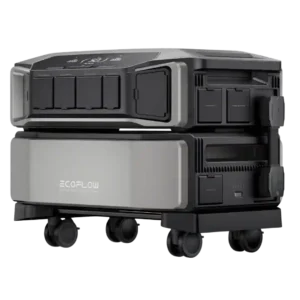
AC charging is one of the clearest strengths, with multiple testers reporting very fast 240V input and near-hour recharge potential. Even standard wall charging was generally viewed as convenient.
Pros: overall product satisfaction, value for money
Cons: customer support, shipping speed
#8
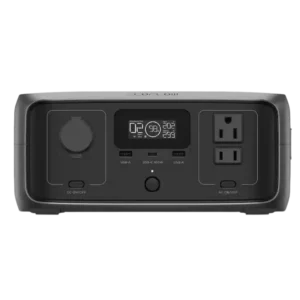
One-hour wall charging is a standout strength and repeatedly matches real-world testing.
Pros: overall product satisfaction, portability
Cons: specification accuracy, display readability
#9
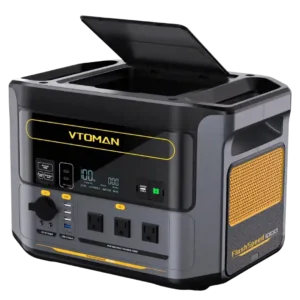
Wall charging is one of the clearest strengths: most tests reached full in roughly 70–75 minutes, with only one longer result around 95 minutes.
Pros: overall product satisfaction, AC charging speed
Cons: weight, display readability
#10
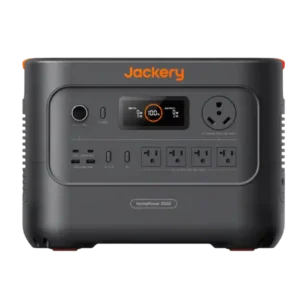
Most accounts put a full AC recharge around 1.7–1.8 hours, excellent for restoring power between outages; one test reported a slower but still acceptable result.
Pros: high-demand appliance support, overall product satisfaction
Cons: accessory ecosystem, charging input compatibility
#11
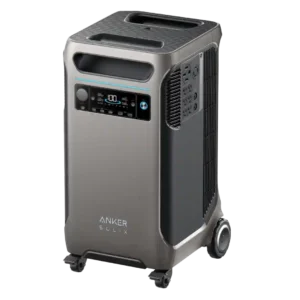
Warm units typically recharge from empty in roughly two to three hours, with several tests landing near the low end of that range. A few customers reported abnormally slow charging...
Pros: overall product satisfaction, home backup capability
Cons: value for money, weight
#12
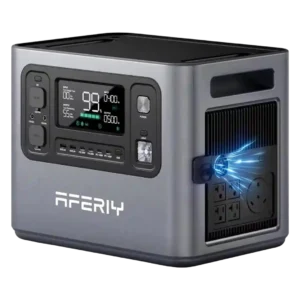
AC charging is consistently fast, typically reaching most of a charge in about an hour and a full charge in roughly 90 minutes to two hours. A few tests ran...
Pros: overall product satisfaction, battery expandability
Cons: weight, built-in light
