#1
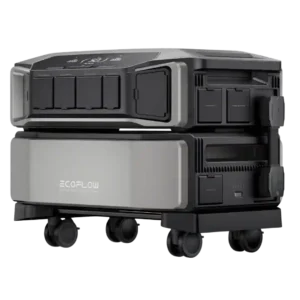
Quiet operation is one of the most unanimous strengths. Multiple testers describe the DPU as nearly silent or whisper-quiet even while charging or supporting substantial loads.
Pros: power quality, simultaneous device support
Cons: battery percentage accuracy, firmware updates
#2
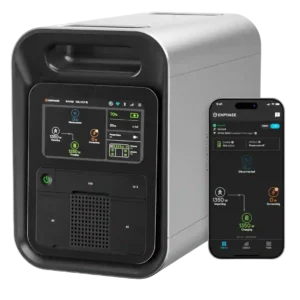
Quiet fans and clean inverter operation make it well suited to living rooms, home offices, and indoor outage use.
Pros: rated output, output stability
Cons: runtime at full load, RV outlet
#3
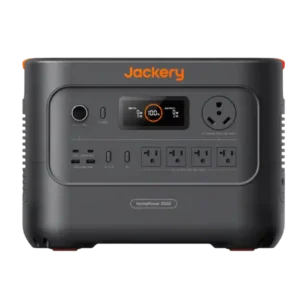
Quiet operation is a notable advantage, with fan noise staying unobtrusive even during demanding use.
Pros: power output, rated output
Cons: battery expandability, car charging speed
#4
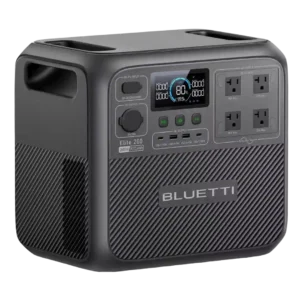
The station is unusually quiet at light and heavy loads, making it suitable for bedrooms, offices, campsites, and recording environments.
Pros: output stability, pure sine wave output
Cons: specification accuracy, startup reliability
#5
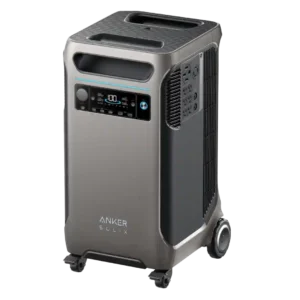
Quiet operation is one of the clearest strengths. Under ordinary and even substantial loads, it is often described as whisper-quiet and suitable for nighttime or indoor use.
Pros: rated output, output stability
Cons: car charging speed, USB-A ports
#6
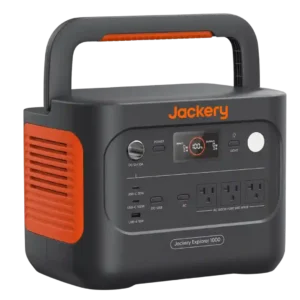
Quiet operation is one of the clearest strengths, with most users comfortable running it indoors, overnight, or near neighbors.
Pros: rated output, peak output
Cons: standby power loss, specification accuracy
#7
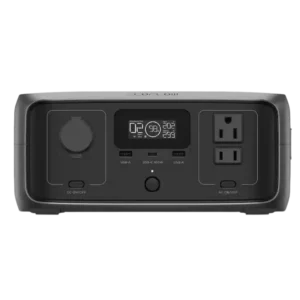
Near-silent operation is the River 3’s most universally praised trait, suitable for bedrooms, offices, tents, and TV rooms.
Pros: noise level, idle noise
Cons: self-discharge rate, air travel suitability
#8
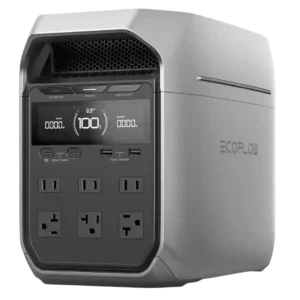
Most units are exceptionally quiet, even under meaningful loads, making indoor and campsite use comfortable. A recurring minority report rhythmic or loud fan behavior.
Pros: rated output, peak output
Cons: 30-amp output, parallel operation support
#9
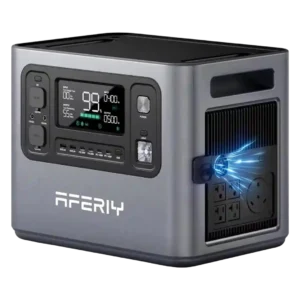
The station is generally quiet in ordinary use and much more pleasant than a fuel generator. Fan and inverter noises become more noticeable at maximum load or in silent rooms.
Pros: rated output, peak output
Cons: app connectivity, voltage regulation
#10
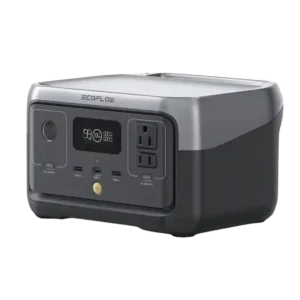
The fan is usually quiet or off at light loads, but fast AC charging and heavy output can produce audible whine or loud bursts.
Pros: surge capacity, output stability
Cons: dual-input charging, whole-home integration
#11
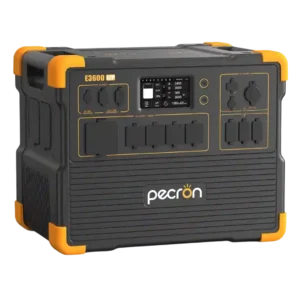
Noise is highly unit- and load-dependent, ranging from barely noticeable to loud fan and bearing sounds.
Pros: power output, rated output
Cons: output stability, voltage regulation
#12
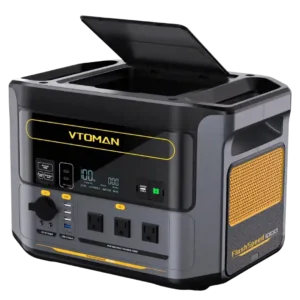
Noise varies sharply by workload: ordinary use is often quiet, but fast AC charging and sudden heavy loads can trigger very loud fans.
Pros: inverter quality, power quality
Cons: Wi-Fi connectivity, weather resistance
