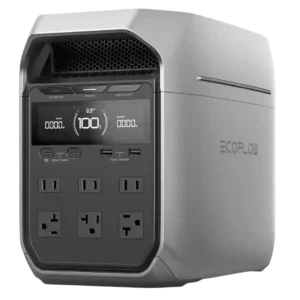
Measured transfer times near 8–10ms met the specification and prevented visible interruptions on sensitive electronics.
Pros: rated output, peak output
Cons: 30-amp output, parallel operation support

Measured transfer times near 8–10ms met the specification and prevented visible interruptions on sensitive electronics.
Pros: rated output, peak output
Cons: 30-amp output, parallel operation support
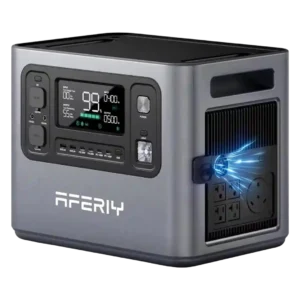
Measured transfer times of roughly 8–9.5ms kept desktop computers and other sensitive electronics running through simulated outages.
Pros: rated output, peak output
Cons: app connectivity, voltage regulation
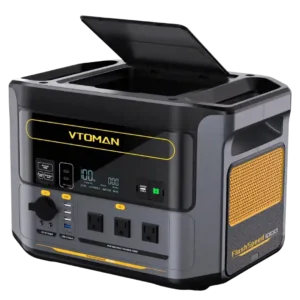
Connected computers and appliances stayed on when mains power was removed, confirming a fast, dependable switchover.
Pros: inverter quality, power quality
Cons: Wi-Fi connectivity, weather resistance
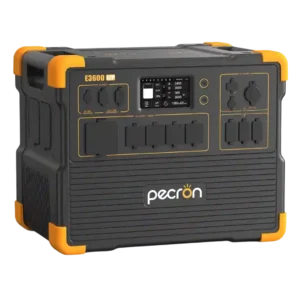
Battery switchover occurs in under 20 milliseconds, fast enough for the tested backup use.
Pros: power output, rated output
Cons: output stability, voltage regulation
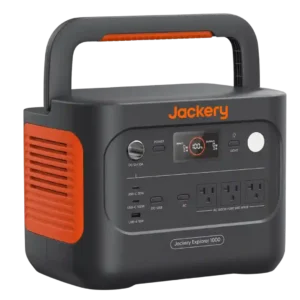
The roughly 20ms switchover was seamless for routers and appliances in most tests, though sensitive desktops may still reboot.
Pros: rated output, peak output
Cons: standby power loss, specification accuracy
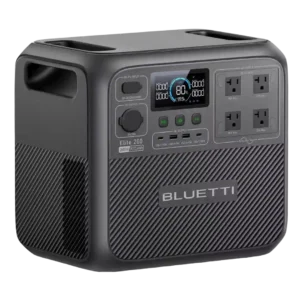
The fast switchover kept computers, servers, and other connected gear running through outages in most tests, though one owner experienced a brief reboot.
Pros: output stability, pure sine wave output
Cons: specification accuracy, startup reliability
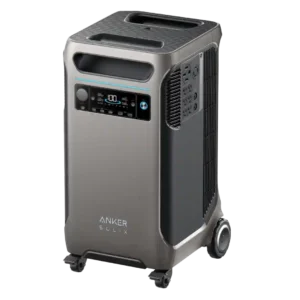
Most UPS tests kept computers and other equipment running without a visible interruption, but one customer’s PC shut off during a real power failure.
Pros: rated output, output stability
Cons: car charging speed, USB-A ports
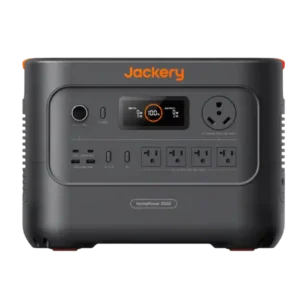
The claimed 20ms transition is fast enough for many devices, but it trails the quickest dedicated UPS-style competitors.
Pros: power output, rated output
Cons: battery expandability, car charging speed
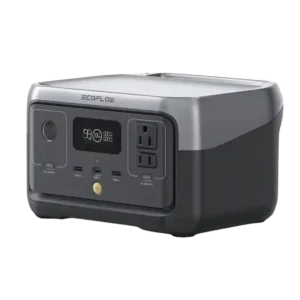
Measured switching around 16-30ms worked well for lights, routers, and many electronics, but sensitive workstations remain a questionable match.
Pros: surge capacity, output stability
Cons: dual-input charging, whole-home integration
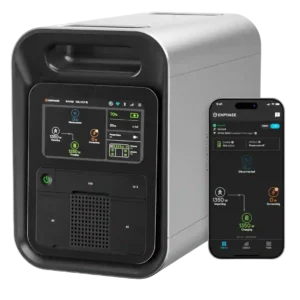
UPS-style switching is quick enough to keep typical routers, refrigerators, and work equipment running through an outage.
Pros: rated output, output stability
Cons: runtime at full load, RV outlet
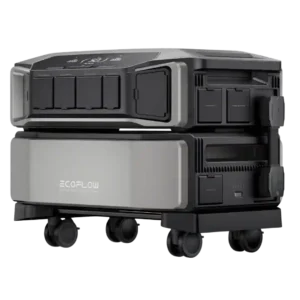
Automatic transfer is generally fast enough to keep electronics running smoothly, with several sources praising millisecond switchover. One owner, however, says the advertised sub-20ms behavior is not consistent in every...
Pros: power quality, simultaneous device support
Cons: battery percentage accuracy, firmware updates
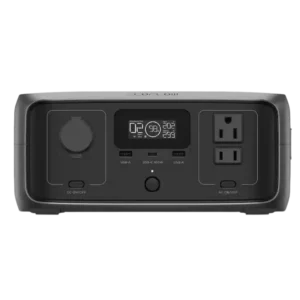
Most devices remain online through the sub-20ms transfer, though chained UPS systems and especially sensitive loads may notice or expose failures.
Pros: noise level, idle noise
Cons: self-discharge rate, air travel suitability