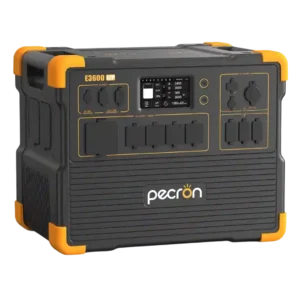
The port mix is unusually complete, covering household AC, RV power, USB, wireless charging, and multiple DC formats.
Pros: power output, rated output
Cons: output stability, voltage regulation

The port mix is unusually complete, covering household AC, RV power, USB, wireless charging, and multiple DC formats.
Pros: power output, rated output
Cons: output stability, voltage regulation
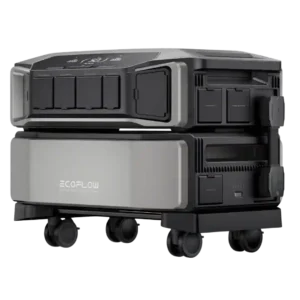
Built-in AC and USB connectivity is widely seen as practical and flexible, letting the DPU power many devices directly without requiring extra distribution hardware.
Pros: power quality, simultaneous device support
Cons: battery percentage accuracy, firmware updates
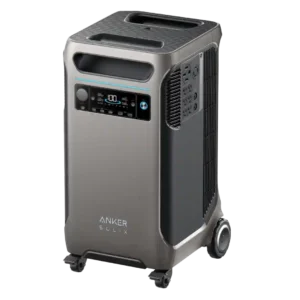
Six household outlets plus heavy-duty 240V, USB, and DC connections make the F3800 one of the most versatile stations for home, RV, workshop, and electronics use.
Pros: rated output, output stability
Cons: car charging speed, USB-A ports
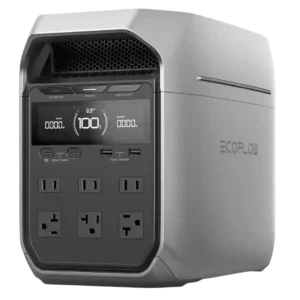
Six AC outlets, high-power USB-C, USB-A, 12V, and DC barrel outputs cover a broad range of home, camping, and worksite devices.
Pros: rated output, peak output
Cons: 30-amp output, parallel operation support
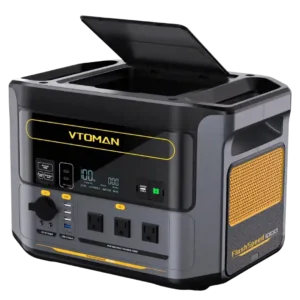
Three AC outlets, multiple USB ports, and several 12V connections provide an unusually versatile mix for electronics, tools, and appliances.
Pros: inverter quality, power quality
Cons: Wi-Fi connectivity, weather resistance
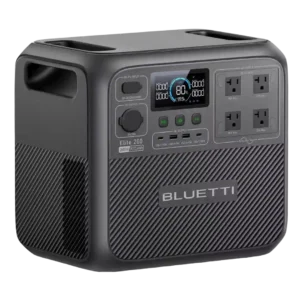
The mix of AC, USB-C, USB-A, and 12V outputs suits most everyday gear, despite limited high-current DC and RV options.
Pros: output stability, pure sine wave output
Cons: specification accuracy, startup reliability
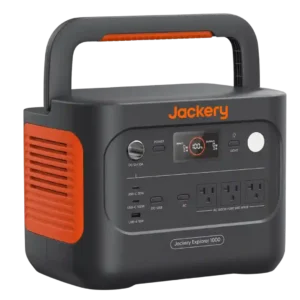
The mix of AC, USB-C, USB-A, and 12-volt outputs suits most modern setups, although one comparison criticizes the total port count.
Pros: rated output, peak output
Cons: standby power loss, specification accuracy
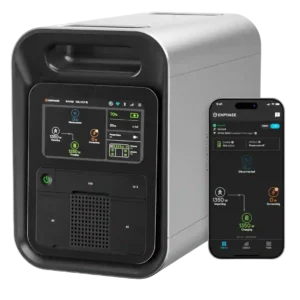
Four AC outlets, four USB-A ports, two USB-C ports, and a 12-volt socket cover most common emergency and camping needs.
Pros: rated output, output stability
Cons: runtime at full load, RV outlet
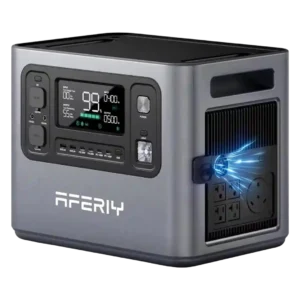
The combination of AC, high-power USB-C, USB-A, regulated 12V, and high-current XT60 outputs covers a wide range of home, RV, and mobile devices.
Pros: rated output, peak output
Cons: app connectivity, voltage regulation
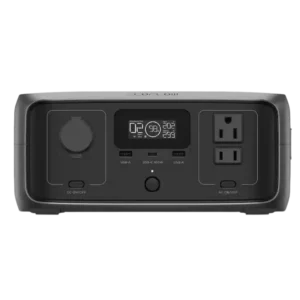
The AC, USB-C, USB-A, and 12V mix is versatile for a compact station, with only minor omissions.
Pros: noise level, idle noise
Cons: self-discharge rate, air travel suitability
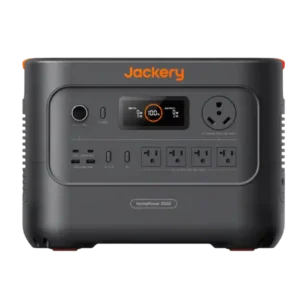
The AC and USB mix covers most everyday needs, but three AC sockets and no 240V output can restrict larger backup setups.
Pros: power output, rated output
Cons: battery expandability, car charging speed
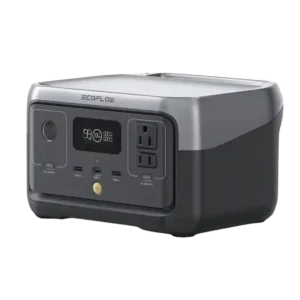
The USB, 12V, and AC mix covers common portable electronics well, but the limited number of AC connections narrows heavier use.
Pros: surge capacity, output stability
Cons: dual-input charging, whole-home integration