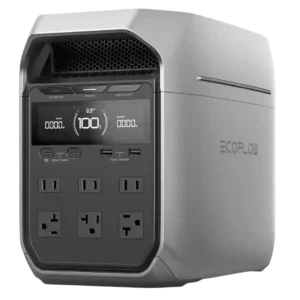
Two 500W MPPT inputs provide up to 1,000W of solar charging, unusually high for a compact 1kWh station.
Pros: rated output, peak output
Cons: 30-amp output, parallel operation support

Two 500W MPPT inputs provide up to 1,000W of solar charging, unusually high for a compact 1kWh station.
Pros: rated output, peak output
Cons: 30-amp output, parallel operation support
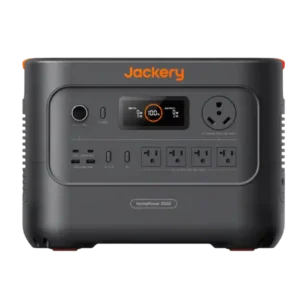
Up to 1,000W of solar input gives the station strong off-grid potential, though reaching that ceiling may require several panels and adapters.
Pros: power output, rated output
Cons: battery expandability, car charging speed
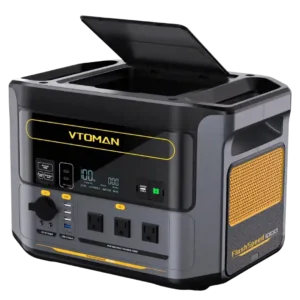
A hands-on test reached the full 300W solar limit immediately, confirming the rated input is achievable.
Pros: inverter quality, power quality
Cons: Wi-Fi connectivity, weather resistance
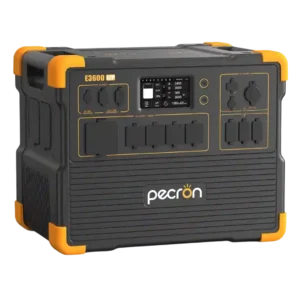
Up to roughly 2,400–2,500 watts of solar input is a standout capability and was repeatedly achieved in testing.
Pros: power output, rated output
Cons: output stability, voltage regulation
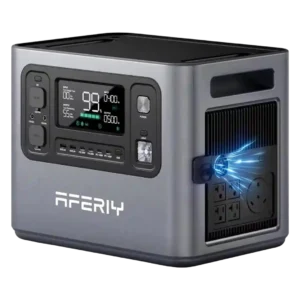
Two 600W inputs provide up to 1,200W of solar charging, one of the strongest capabilities in this size and price class.
Pros: rated output, peak output
Cons: app connectivity, voltage regulation
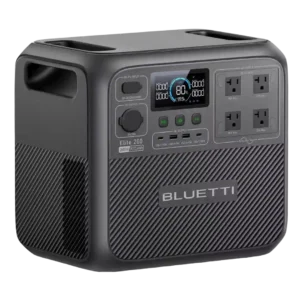
Up to 1,000W of solar input is strong for this capacity and can restore a full charge in a few good-sun hours.
Pros: output stability, pure sine wave output
Cons: specification accuracy, startup reliability

The solar-input ceiling is relatively modest beside some rivals, even though it can still support useful off-grid charging.
Pros: rated output, peak output
Cons: standby power loss, specification accuracy
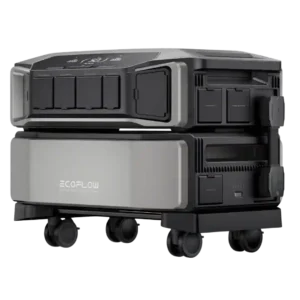
The large solar input is a major off-grid strength and supports serious arrays, but opinions vary by context. Some competitors now offer more, and at least one owner reported a...
Pros: power quality, simultaneous device support
Cons: battery percentage accuracy, firmware updates
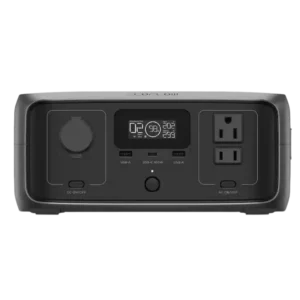
The 110W solar cap suits a 245Wh battery but feels restrictive to users who want faster off-grid charging.
Pros: noise level, idle noise
Cons: self-discharge rate, air travel suitability
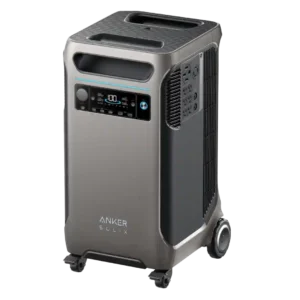
The advertised 2,400W ceiling is difficult to reach with common panels because of the 60V and amperage limits. Multiple tests achieved far less than the headline figure.
Pros: rated output, output stability
Cons: car charging speed, USB-A ports
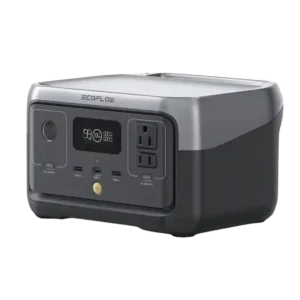
The 110W solar ceiling is suitable for the small battery but limits gains from larger panels.
Pros: surge capacity, output stability
Cons: dual-input charging, whole-home integration
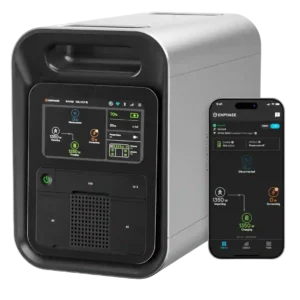
The 440 W solar ceiling is one of the most consistent complaints, especially at this price and battery size.
Pros: rated output, output stability
Cons: runtime at full load, RV outlet