Best for screenplay quality
Filipiñana
5.0 feature score
Highest scored product for this feature based on supporting review evidence.

Highest scored product for this feature based on supporting review evidence.
Balances feature score, supporting reviews, and overall product strength.
Has the broadest review evidence for this feature.
Strongest overall product among items with scored evidence for this feature.
The writing is strongest when it sets Isabel and Clara against each other as parallel expressions of entitlement, complicity, and awakening. Individual exchanges are also praised as sharply observed.
Pros: screenplay quality, production design
Cons: runtime, dialogue quality

The film’s radical presentation is supported by a sturdily plotted foundation, with setups and later payoffs keeping the information-heavy mystery moving.
Pros: story quality, plot clarity
Cons: chemistry between characters, sound design
The narration and interlaced structure connect childhood, addiction, family rupture, career history, and grief with unusual thoughtfulness.
Pros: plot originality, ending satisfaction
Cons: runtime, pacing
The script preserves the characters’ voices, fires off industry barbs quickly, and keeps the continuation true to the show. Its density can make some satire harder for outsiders to catch,...
Pros: chemistry between characters, cinematography
Cons: ending satisfaction, runtime
The script’s strongest achievement is giving the technology debate emotional stakes rather than a simple villain. It is funny and thoughtful, though the number of characters and subplots sometimes strains...
Pros: lead performance, directing quality
Cons: originality, romance quality
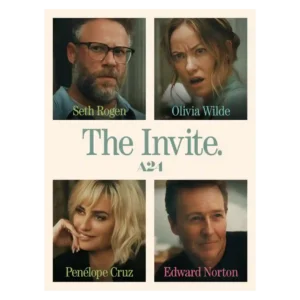
The screenplay is broadly celebrated as whip-smart, funny, adult, and emotionally perceptive. Its overlapping talk and carefully planted reveals are major strengths, though a few critics call it over-written or...
Pros: plot originality, lead performance
Cons: runtime, score quality
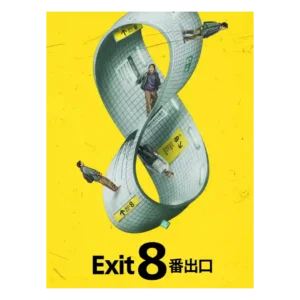
The screenplay earns strong praise for building character, theme, and structure around a nearly plotless game. Its more literal or moralizing choices are the main source of criticism.
Pros: practical effects quality, sound design
Cons: cultural representation, CGI quality
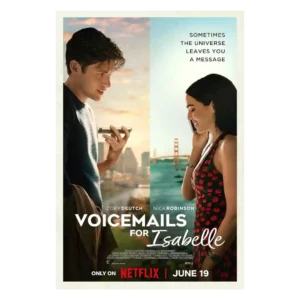
The screenplay combines sharp, character-based humor with an openhearted treatment of grief. Its self-aware rom-com references can become heavy-handed.
Pros: dialogue quality, production design
Cons: age appropriateness, sexual content level
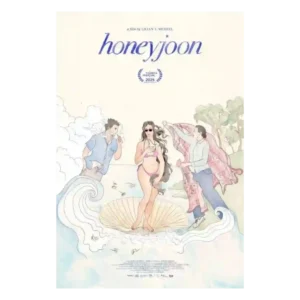
The screenplay is often praised for balancing humor, pathos, and precise character detail. Its recurring weakness is overambition: some reviewers find the themes heavy-handed, jokes under-supported, or storylines insufficiently developed.
Pros: supporting cast performance, realism
Cons: romance quality, originality
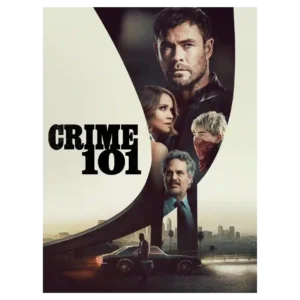
The script gets strong marks for subtext, character motivation, intelligent dialogue, and letting viewers infer rather than overexplaining. Its weaknesses are familiar templates, too many subplots, and occasional contrivance.
Pros: world-building, special effects quality
Cons: family friendliness, age appropriateness
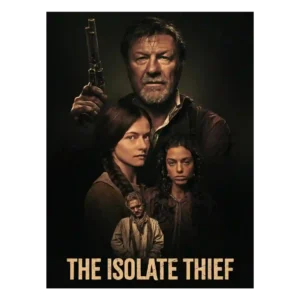
The script is strongest when staging the cat-and-mouse exchanges and gradual reveals. Its slow, dialogue-heavy middle and limited thematic complexity keep praise from being unanimous.
Pros: ending satisfaction, soundtrack quality
Cons: family friendliness, age appropriateness

The script is mostly praised for making dense science approachable and organizing the nonlinear mystery cleanly, though negative reviews call parts shallow, contrived or over-explanatory.
Pros: world-building, sound design
Cons: ending satisfaction, romance quality
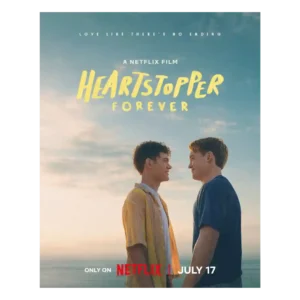
The screenplay is often praised for empathy, mature themes, and confident character writing, though a few scenes feel overworked or explain emotions too explicitly.
Pros: lead performance, theme depth
Cons: plot originality, originality
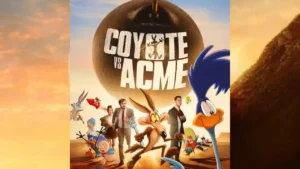
The screenplay is widely praised as clever, witty, and better constructed than the premise might suggest. Even favorable reviews acknowledge a few loose strands, repetitive beats, or conventional turns.
Pros: practical effects quality, genre satisfaction
Cons: language level, plot clarity
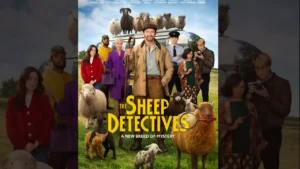
Craig Mazin’s script is widely admired for intelligence, tonal control and respect for younger viewers. Criticism concentrates on the village-side plotting and a few weaker mystery mechanics rather than the...
Pros: lead performance, score quality
Cons: editing quality, runtime

The writing is praised for balancing identity, migration, intergenerational threads, and emotional themes with real subtlety at its best. Its weaker moments include one-dimensional antagonists, implausible selflessness, and occasional simplification.
Pros: chemistry between characters, world-building
Cons: score quality, soundtrack quality
The writing is strongest in intimate dialogue and culturally specific relationship details. Its layered metafiction is ambitious, though repetitive scenes and excess artifice sometimes weaken narrative momentum.
Pros: plot originality, score quality
Cons: family friendliness, editing quality

The screenplay is strongest when revealing family lies through small gestures and contradictory conversations. Some critics found the structure diffuse, discursive, or emotionally underfocused.
Pros: ending satisfaction, acting performance
Cons: character development, score quality

The script has clever ideas and occasional sharp scenes, but exposition, thin characterization, and underdeveloped themes keep it from fully landing.
Pros: sexual content level, production design
Cons: soundtrack quality, editing quality
The screenplay gives the myth modern themes and structure, though some reviewers object to exposition, contemporary phrasing, or over-explained ideas.
Pros: character development, world-building
Cons: pacing, sound design

The screenplay earns praise for its contained premise, suspicion engine, and satisfying reveal structure. Its weaker side is exposition, thin secondary characterization, and logic that becomes patchy under the weight...
Pros: drama quality, production design
Cons: character development, plot clarity
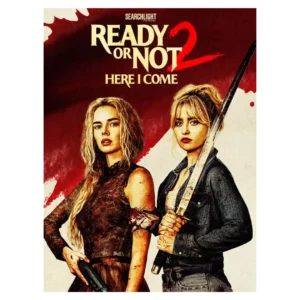
The screenplay gets credit for finding witty variations on the first movie’s structure in the strongest reviews. Less enthusiastic critics think the added rules and emotional subplot make the writing...
Pros: practical effects quality, editing quality
Cons: story quality, special effects quality
The screenplay earns praise for smart genre writing and balanced character beats, but detractors call it safe, by-the-numbers, or even half-baked.
Pros: sexual content level, acting performance
Cons: score quality, family friendliness

The screenplay is admired for ambition, sharp satire, funny ideas, and inventive structure, but it is also the main target of criticism for repetition, overstuffing, exposition, and uneven late plotting.
Pros: story quality, chemistry between characters
Cons: runtime, CGI quality
The screenplay earns praise for economical exposition, psychological ideas, and character interiority in its best passages. Its weaker sections rely on clunky explanations, uneven dialogue, and late lore that can...
Pros: emotional impact, CGI quality
Cons: action sequences, dialogue quality
The screenplay is either tightly engineered nonsense or an underdeveloped spitballing session, depending on the viewer. Its strongest recurring bits show real craft, but weaker sections feel unfinished.
Pros: plot originality, dialogue quality
Cons: language level, story quality
The screenplay earns credit when it ties gags to a recognizable movie-making goal, but several reviewers note an awkward two-movie structure. Its strongest writing is usually the Hollywood satire, not...
Pros: ending satisfaction, acting performance
Cons: sexual content level, plot clarity
The writing is divisive: its ambiguity and unpredictable turns can be compelling, but shifting conspiracy logic, thin psychology, and perfunctory dialogue frustrate others.
Pros: supporting cast performance, score quality
Cons: dialogue quality, world-building

The script is one of the most divisive areas: some praise smart twists, emotional depth, and surprise, while others call it thin, generic, undercooked, or poorly written.
Pros: ending satisfaction, practical effects quality
Cons: score quality, family friendliness
The screenplay is divisive. Supporters praise tight, memorable writing and thematic intelligence, while detractors flag repetition, missing connective tissue, weak character logic, and incomplete ideas.
Pros: romance quality, makeup quality
Cons: runtime, chemistry between characters
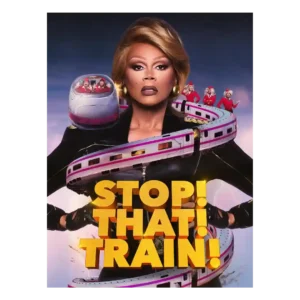
The script delivers clever queer wordplay and a dense supply of gags, but repetition, weak runners, and thin character work keep it uneven.
Pros: makeup quality, chemistry between characters
Cons: value for money, CGI quality

The screenplay can feel fast, playful, and sharply constructed, yet exposition, thin psychology, and cheesy dialogue remain recurring complaints.
Pros: lead performance, costume design
Cons: soundtrack quality, editing quality

The screenplay has genuine sensitivity and several strong emotional ideas, but it often relies on familiar structure, thin side characters, and abbreviated development.
Pros: plot clarity, soundtrack quality
Cons: supporting cast performance, suspense
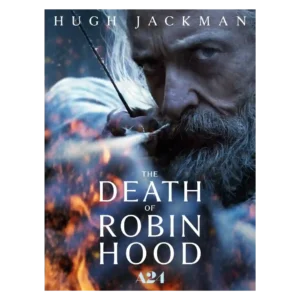
The screenplay contains thoughtful ideas about storytelling, violence, and absolution, with some beautifully written exchanges. Critics are divided over whether it develops those ideas deeply enough.
Pros: lead performance, plot originality
Cons: humor, family friendliness

The screenplay is uneven: it can produce funny, breezy scenes and clear romantic beats, yet critics often fault it for thin characterization, clunky present-day dialogue, convenient plotting, and compressed emotional...
Pros: costume design, age appropriateness
Cons: cultural representation, world-building

The screenplay is sharply divisive: some admire its nerve, structure, and dark-comedy setup, while others find the writing shallow, underdeveloped, or unable to interrogate its charged ideas.
Pros: originality, cinematography
Cons: age appropriateness, cultural representation
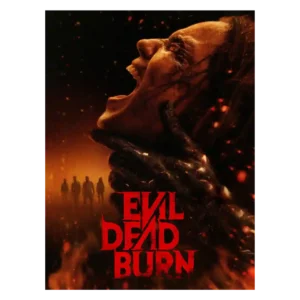
The screenplay has ambitious emotional and mythological ideas, but the character writing and dramatic structure often feel less sturdy than the concepts surrounding them.
Pros: acting performance, supporting cast performance
Cons: rewatch value, emotional impact
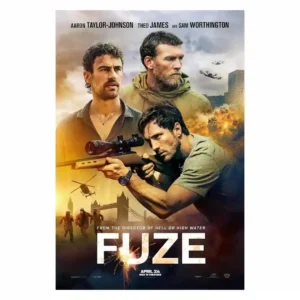
The screenplay draws some of the sharpest disagreement. Admirers call it smart and well-structured, but many critics point to uneven writing, overexplaining, artificial twists, and dialogue that does not fully...
Pros: soundtrack quality, special effects quality
Cons: production design, character development
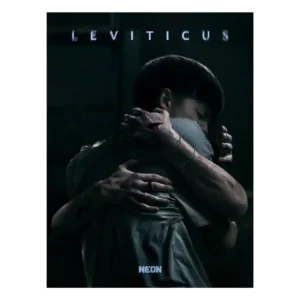
The script has a potent premise and strong relationship details, but its development is uneven. Critics most often questioned thin supporting roles, repeated third-act beats, and incomplete supernatural rules.
Pros: cultural representation, critic appeal
Cons: humor, world-building
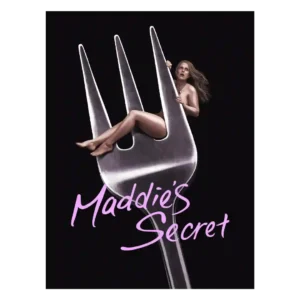
The screenplay earns praise for fearless tonal ambition, sharp comedy, and tenderness. Negative reactions focus on scattered themes, repetitive treatment-center material, and writing that becomes forced or unfocused.
Pros: chemistry between characters, production design
Cons: plot clarity, audio description accessibility
The script earns credit for themes, twists, and some strong dialogue, but criticism is substantial: exposition, clichés, rushed character work, and compressed plotting repeatedly surface.
Pros: scares, score quality
Cons: special effects quality, CGI quality
The screenplay is the main fault line in the critical response. Supporters call it sharp, raw, sincere, and even remarkable; detractors describe it as thin, formulaic, heavy-handed, amateurish, and too...
Pros: lead performance, supporting cast performance
Cons: originality, plot originality
Screenplay responses skew mixed-negative: several reviewers like the balance of character and investigation, but many criticize contrivances, formula, weak mystery construction, or lazy plotting.
Pros: production design, score quality
Cons: realism, originality

The screenplay swings between warm, personable, funny genre craft and thin, predictable construction. Its strongest moments feel self-aware and lively; its weakest rely on dated jokes, underdeveloped ideas, and an...
Pros: directing quality, world-building
Cons: suspense, rewatch value

The script is the film’s most divisive craft element: some see strong writerly instincts, while others find it obvious, underwritten, repetitive, or too eager to explain emotion. The feature expansion...
Pros: drama quality, editing quality
Cons: animation quality, runtime
The screenplay gets mixed-to-negative marks overall. Some reviewers praise strong or efficient writing, but many find the script thin, trite, overly expository, politically shallow, or missing connective tissue.
Pros: suspense, drama quality
Cons: family friendliness, age appropriateness
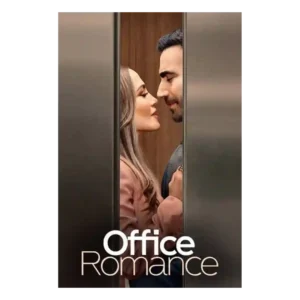
The script has flashes of wit, adult banter, and genuine affection for rom-coms, but it is repeatedly criticized for clichés, illogic, and uneven tonal shifts.
Pros: cinematography, costume design
Cons: sexual content level, story quality
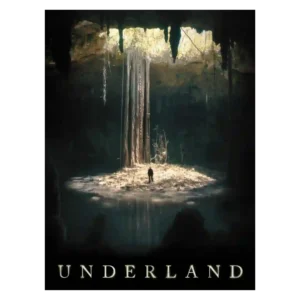
The writing ranges from carefully composed and evocative to overly rhetorical. Its best lines clarify the film’s interconnected themes, while weaker passages feel strained or too eager to explain.
Pros: suspense, cinematography
Cons: character development, animation quality
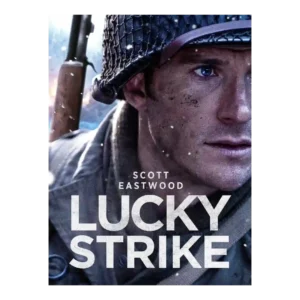
The screenplay gets both praise and blame. One reviewer thought the threat-by-threat structure really works, while others found the writing cliché-heavy or deeply unnatural.
Pros: violence level, practical effects quality
Cons: special effects quality, realism

The written structure supports a clear forgiveness-and-reconciliation theme, but at least one critic finds the sermon material too scripted and heavy-handed.
Pros: plot originality, character development
Cons: plot clarity, screenplay quality