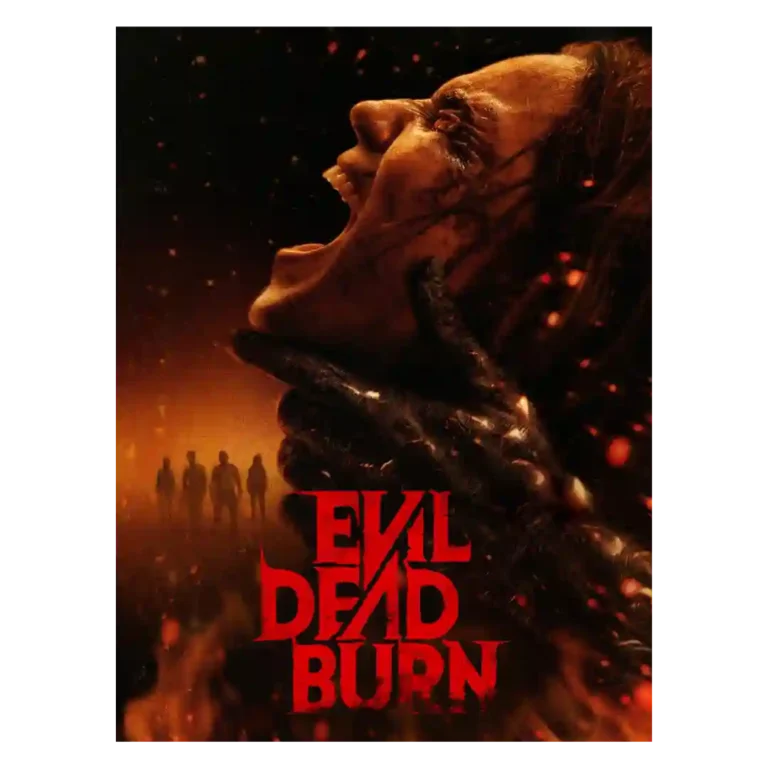
Choose it for extreme practical gore, kinetic camerawork, and a vicious new Deadite spin. Skip it if you need rich characters, playful franchise humor, or restraint.
Best for
Best for committed Evil Dead fans and gorehounds who value practical effects, aggressive visual invention, and a bleak, punishing horror experience.
Not for
Skip it if you are squeamish, prefer the franchise’s playful splatstick, or need deeply developed characters and emotional restraint.
Verdict
Evil Dead Burn is at its best when Sébastien Vaniček turns a decaying family home into a brutally inventive playground. The practical gore, close-quarters car sequence, acrobatic camerawork, and committed performances give the film a fierce identity, while expanded lore adds welcome momentum to the franchise. However, the nearly two-hour assault can become numbing, and the thin character writing does not always support its serious treatment of grief, abuse, and family complicity. Humor is the decisive fault line: some find the dark gags refreshing, while others see them as scarce or tonally misplaced. The result is technically accomplished and memorable, but intentionally harsh and far less broadly enjoyable than its craftsmanship suggests.
The camera work is a major highlight, with spinning perspectives, long takes, mirror reveals, and aggressive movement that make familiar carnage feel freshly staged. Even mixed reviews often praise the film’s visual ingenuity.
Sébastien Vaniček shows real command of claustrophobic action, gruesome choreography, and energetic camera movement. His handling of tone is less consistent, especially when bleak family drama, comedy, and franchise mayhem compete for space.
The close-quarters car fight, extended takes, overhead staging, and household-weapon set pieces are among the movie’s biggest strengths. Some viewers still feel the spectacle starts to resemble a chain of violent showcases rather than a fully connected story.
The film brings inventive visual ideas, tactile gore, and a more active role for the Deadites, but its underlying survival structure remains familiar. The fresh presentation is stronger than the basic plot.
The practical gore is consistently praised for looking tactile, authentic, and stomach-churning. Graphic injuries retain a physical weight that keeps even exaggerated moments disturbingly believable.
The expanded lore, family connection to the Deadites, and renewed focus on the Kandarian dagger give the mythology welcome forward movement. Fans who wanted more than another accidental reading of the book may appreciate the added context.
Once the violence begins, the movie can move with fierce momentum, yet many reviewers still found the nearly two-hour experience overlong, repetitive, or slow between major payoffs. The final stretch is especially prone to fatigue.
The editing draws criticism for a choppy opening and occasional clumsy transitions that disrupt momentum. The strongest continuous sequences show how effective the film can be when the cutting is more controlled.
character development: 2.0, 2 reviews, limited evidence
The family members often come across as thin, vague, or caricatured before the Deadites take over. Alice receives the most attention, but several relationships and motivations need more development for the losses to land.
The film’s misery and cruelty can feel overwhelming rather than cathartic. Its grief and abuse material is forceful, but some viewers leave emotionally drained instead of moved.
Philip Lozano’s cinematography is a standout, combining fluid movement, bold framing, and technically ambitious shots that repeatedly elevate the carnage.
Sébastien Vaniček is praised for fearless staging, kinetic camerawork, and inventive brutality, though his tonal balance and dramatic restraint remain divisive.
Erroll Shand delivers a menacing, screen-dominating turn as Edgar, using his threatening presence to intensify both the family conflict and the possession horror.
Compared with other Movies, this product is above average in realism, originality, suspense, near average in theme depth, directing quality, below average in rewatch value, sound design, emotional impact.
Comparison summary
43 compared features
Above average0.4+ pts higher
12(28%)
Same as averagewithin 0.3 pts
12(28%)
Below average0.4+ pts lower
19(44%)
Largest category differences
Attribute
This product
Category average
Difference
rewatch value
1.0
3.6
-2.6
sound design
2.0
4.4
-2.4
emotional impact
1.5
3.9
-2.4
editing quality
1.8
3.4
-1.6
runtime
1.5
2.7
-1.2
realism
4.5
3.3
+1.2
score quality
3.0
4.2
-1.2
character development
2.0
3.1
-1.1
Consider This Instead
If you want better sound design
Choose Exit 8. It scores 5.0 vs 2.0 for sound design, with a 4.2 overall score.
It is more consistently brutal, oppressive, and stomach-churning than universally frightening. Some reviewers found it relentless and merciless, while others thought the gross-out intensity outweighed the scares.
How gory is Evil Dead Burn?
Extremely gory. Reviewers repeatedly describe inventive mutilations, tactile practical effects, and sustained cruelty that may challenge even experienced horror viewers.
Does Evil Dead Burn have the franchise’s usual humor?
Some dark comedy and visual gags remain, but reactions are sharply divided. Several reviewers laughed often, while others felt the jokes were scarce, forced, or incompatible with the abuse storyline.
Does the movie expand Evil Dead lore?
Yes. The Deadites have a more purposeful objective, the Kandarian dagger matters again, and the family’s history gives the mythology more context than another accidental reading of the book.
What are the movie’s biggest weaknesses?
The most common complaints are thin characters, uneven dramatic writing, an overlong and numbing final stretch, and digital effects that are less convincing than the practical gore.
Sample Expert Reviews We Analyzed
These are a few of the reviews included in our analysis.
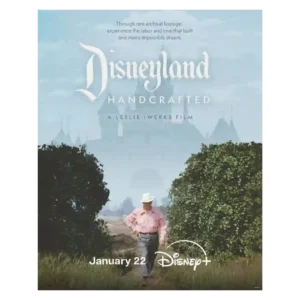
Best for pristine archival footage, immersive sound, and a surprisingly tense look at Disneyland’s construction. Skip it if you want a comprehensive, deeply critical history; several reviewers found the 78–79-minute...
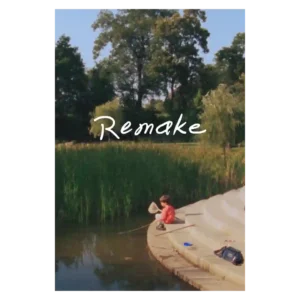
Best for a profound, formally inventive meditation on grief, memory, and the ethics of filming family. Skip it if intensely personal addiction material, a 114-minute runtime, or occasional repetition will...
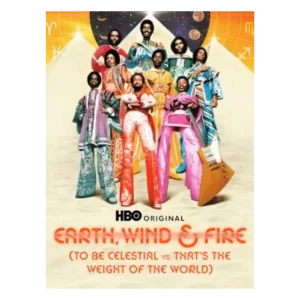
Best for joyful music, rare footage, candid interviews, and a layered Maurice White portrait. Skip it if you want a tightly focused, unconventional reappraisal that lingers on performances instead of...
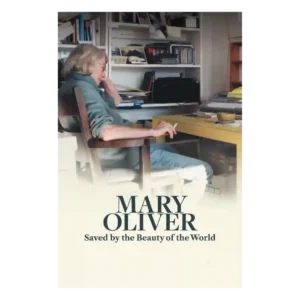
Best for a tender, accessible portrait that lets Oliver’s poetry, friends, and archival voice carry the experience. Skip it if you want a brisk, deeply investigative biography; the calm rhythm...
Pros: romance quality, faithfulness to source material