Best for movement feel
It Takes Two
5.0 feature score
Highest scored product for this feature based on supporting review evidence.

Highest scored product for this feature based on supporting review evidence.
Balances feature score, supporting reviews, and overall product strength.
Has the broadest review evidence for this feature.
Strongest overall product among items with scored evidence for this feature.
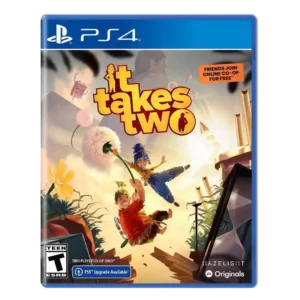
Movement is repeatedly described as freeing, smooth, delightful, and enjoyable across jumping, dashing, and traversal.
Pros: core gameplay loop, movement feel
Cons: character development, dialogue quality
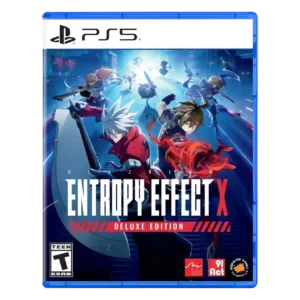
Movement feel is a strength, with reviewers praising speed, acrobatics, quick readability, and fluid movement.
Pros: movement feel, skill tree depth
Cons: menu usability, HUD clarity

Movement feel is praised for freeform dashes, mobility routes, super dashes, and the ability to move like Dragon Ball characters.
Pros: movement feel, world-building
Cons: save system reliability, mission variety
Movement feels immediately comfortable and responsive, helping the game’s familiar Soulslike fundamentals click quickly.
Pros: movement feel, pacing
Cons: economy and resource balance, onboarding experience
Movement and combat flow feel precise and responsive in handheld play.
Pros: controls responsiveness, movement feel
Cons: camera behavior, physical copy condition

Vehicle movement feel is praised because each car feels distinct and satisfying to control.
Pros: controls responsiveness, movement feel
Cons: tutorial quality, animation quality

Movement is praised for fluidity, especially in combat flow and traversal compared with the predecessor.
Pros: movement feel, environmental detail
Cons: puzzle design, age appropriateness
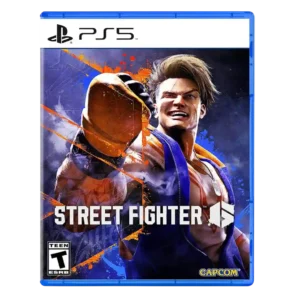
The fighting feel was described as fluid, logical, natural, and easy to pick up without losing depth.
Pros: movement feel, art direction
Cons: platforming precision, writing quality
Deep North traversal avoids artificial snow slowdown, making movement through the endgame biome feel more natural.
Pros: core gameplay loop, movement feel
Cons: economy and resource balance, map and navigation design
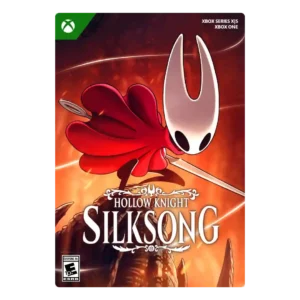
Hornet’s movement is one of the clearest consensus wins, with reviewers praising her speed, agility, sprinting, and dance-like traversal.
Pros: core gameplay loop, world interactivity
Cons: loot system, accessibility options
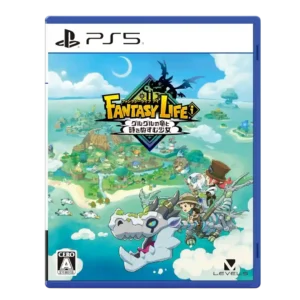
Movement improvements such as climbing, dodge rolling, and smoother traversal are viewed as major playability upgrades.
Pros: load times, crash stability
Cons: originality, voice acting
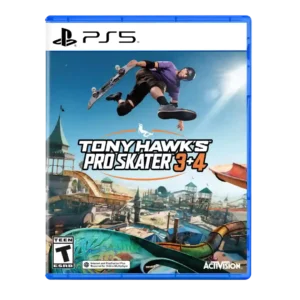
Movement and skating feel earned very high marks, with reviewers praising physics, momentum, board control, and the joy of simply skating around.
Pros: core gameplay loop, controls responsiveness
Cons: crash stability, cross-save support
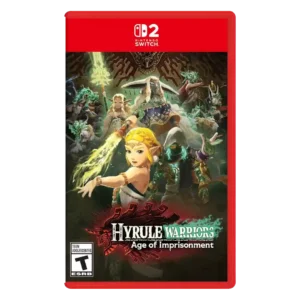
Movement feel was positive where cited, especially improved locomotion and responsive control feel.
Pros: animation quality, multiplayer design
Cons: save system reliability, companion AI
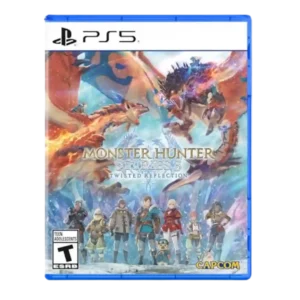
Traversal is one of the most improved areas: switching Monsties is seamless, riding feels fluid, and swimming, climbing, gliding, and other field actions make exploration more enjoyable.
Pros: puzzle design, level design
Cons: crash stability, multiplayer design
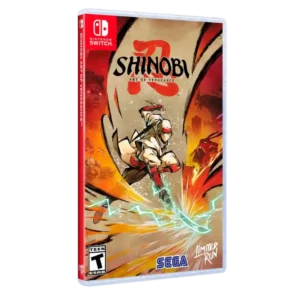
Movement feel is heavily praised as fast, fluid, snappy, and fun, though one Switch review notes combat can feel slower than traversal.
Pros: graphics quality, environmental detail
Cons: bug frequency, dialogue quality

Twining makes traversal one of the game’s pleasures, with quick, fluid transitions into creatures that can climb, swim, sprint, or fly.
Pros: level design, replay value
Cons: competitive balance, battle pass value
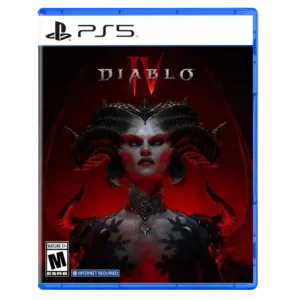
Movement received strong marks for responsive dodging and class mobility, including praise for the expansion Warlock’s wraith-like movement.
Pros: lore depth, art direction
Cons: mission variety, protagonist appeal
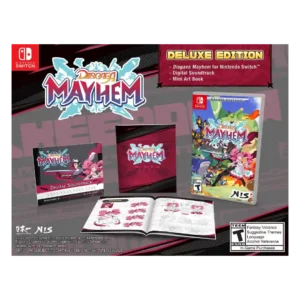
Dashing, dodging, and general movement feel responsive and support an aggressive, fast-paced play style.
Pros: bug frequency, movement feel
Cons: enemy variety, AI behavior
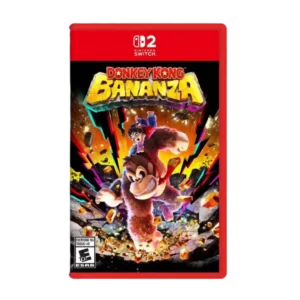
Movement was one of the strongest points, with reviewers emphasizing fluid momentum, climbing, rolling, and expressive control, though one found the options initially messy.
Pros: gameplay mechanics, world interactivity
Cons: economy and resource balance, enemy variety

Wheel-based movement feel is strongly praised for feeling smooth, natural, and predictable.
Pros: open-world design, replay value
Cons: dialogue quality, writing quality
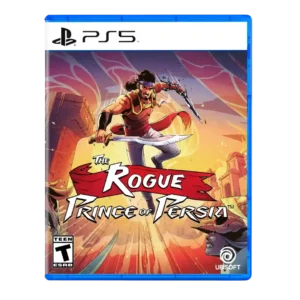
Movement was the strongest consensus highlight, repeatedly praised for fluid wall-running, parkour flow, and satisfying momentum.
Pros: crash stability, HUD clarity
Cons: character development, visual effects quality
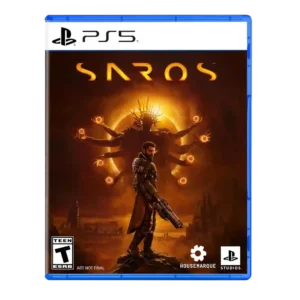
Movement feel was praised as smooth, nimble, precise, and joyful across several reviews.
Pros: value for money, fun factor
Cons: map and navigation design, side character depth
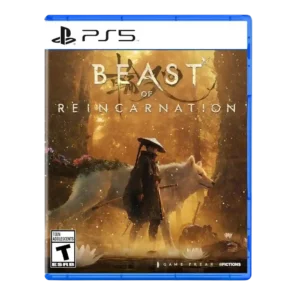
Emma moves quickly through large, vertical spaces using vine grapples, lifts, and player-made bridges. Traversal feels smooth, playful, and unusually free for this style of action RPG.
Pros: soundtrack quality, value for money
Cons: onboarding experience, aiming precision
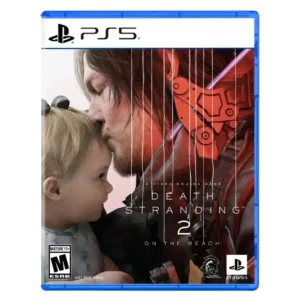
Movement and hiking retain a distinctive physical weight that many reviewers loved, even when vehicles reduce how often players need to walk.
Pros: animation quality, facial animations
Cons: quest design, AI behavior

Traversal is a standout strength: wall-running, sliding, double jumping, dive-kicking, and grappling make Deadpool feel quick and acrobatic. Reviewers repeatedly praise how fluid and kinetic it feels.
Pros: lore depth, originality
Cons: AI behavior, character development
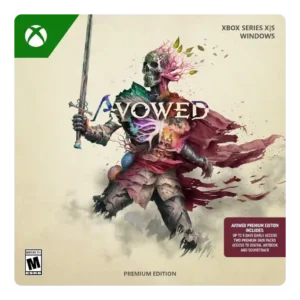
Movement feel and parkour were strongly praised for making exploration fluid, vertical, and enjoyable.
Pros: tutorial quality, level design
Cons: stealth mechanics, endgame content
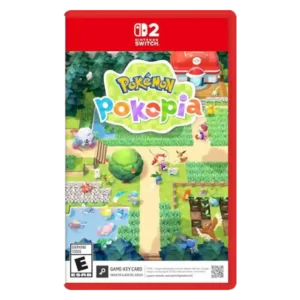
Movement feel was praised for making Pokémon feel unusually free, especially as abilities opened up traversal.
Pros: protagonist appeal, faithfulness to franchise
Cons: map and navigation design, aiming precision
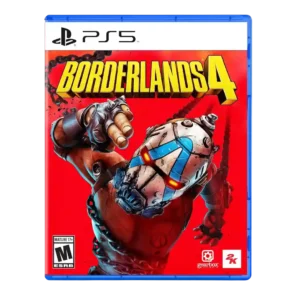
Movement is widely praised as a major upgrade, with gliding, grappling, dashing, and vertical combat making fights and traversal feel faster and more dynamic.
Pros: sandbox freedom, art direction
Cons: polish, save system reliability
Movement is generally fluid, purposeful, and well matched to the more grounded combat. Some miss the predecessor's freer parkour, but others prefer the tighter focus.
Pros: world interactivity, progression system
Cons: load times, character development
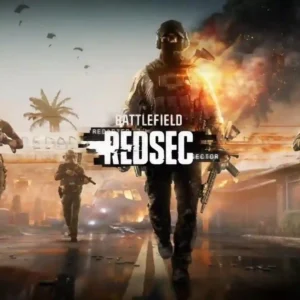
Movement carries over well from Battlefield 6 and is frequently described as smooth, fluid, or satisfying. The slower tactical tempo still feels natural once players adjust.
Pros: controls responsiveness, sandbox freedom
Cons: frame rate stability, user interface design

Movement is generally lighter, tighter, and more responsive than before, though one player wishes the dodge came out a little faster.
Pros: mission design, world interactivity
Cons: emotional impact, exploration quality
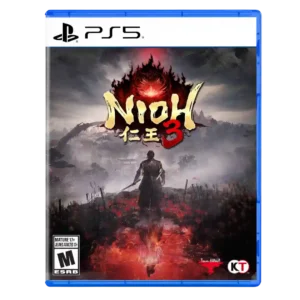
Movement earned praise for mobility and flow, especially through Ninja style and the broader feel of moment-to-moment action.
Pros: pacing, visual effects quality
Cons: tutorial quality, character roster
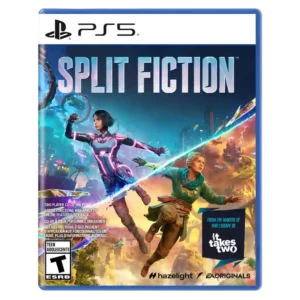
Movement received strong praise for added weight, consistency, and approachability.
Pros: puzzle design, level design
Cons: exploration quality, side character depth

The added dash and faster traversal noticeably improve movement, making the older world quicker and more pleasant to navigate.
Pros: gameplay mechanics, world-building
Cons: AI behavior, platform-specific feature support

Free 360-degree movement makes traversal feel smoother and less restrictive than the original mobile game’s lane-based movement.
Pros: controls responsiveness, world interactivity
Cons: DLC value, platform-specific feature support
Traversal feels smooth and unencumbered, helping the smaller diorama spaces stay pleasant to move through.
Pros: atmosphere, voice acting
Cons: controls responsiveness, quest design

One reviewer finds the Switch 2 controls responsive enough that traversal and combat movement still feel dependable during demanding play.
Pros: gameplay mechanics, core gameplay loop
Cons: platforming precision, tutorial quality
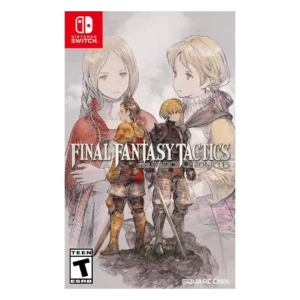
Movement feel improved through movement resets and clearer positioning tools, reducing old frustrations.
Pros: emotional impact, polish
Cons: bug frequency, crash stability
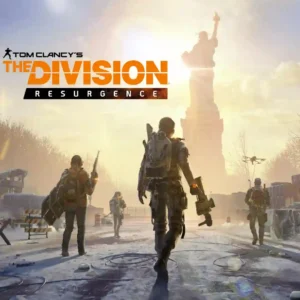
Movement is smooth, fast, and well suited to cover-based combat.
Pros: exploration quality, sandbox freedom
Cons: mission variety, companion AI
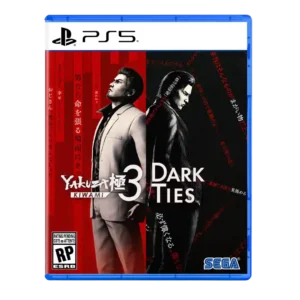
Kiryu’s movement is described as noticeably more fluid than in the older version, helping the faster combat feel more modern.
Pros: controls responsiveness, movement feel
Cons: casting choices, grind level
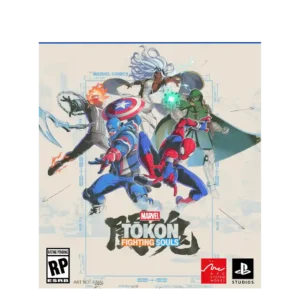
Movement and tagging feel more energetic in later impressions, with reviewers praising faster play, better mobility, and more satisfying swaps.
Pros: emotional impact, frame rate stability
Cons: server reliability, tutorial quality
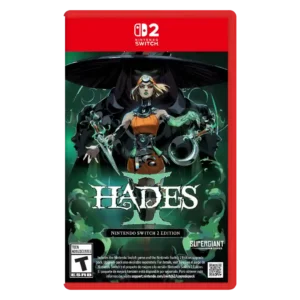
Movement earns praise for satisfying dashing and casting, though the sprint transition takes adjustment compared with the first game.
Pros: skill tree depth, dialogue quality
Cons: emotional impact, economy and resource balance
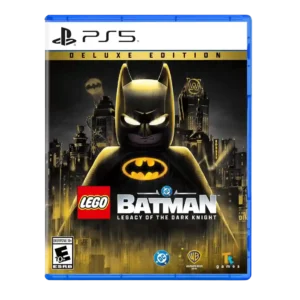
Movement is viewed positively, especially for its snappy feel during exploration and free roaming.
Pros: pacing, core gameplay loop
Cons: companion AI, map and navigation design
Traversal and fighting are generally more fluid under the Dragon Engine, though 30fps versions can feel less smooth. Several reviewers still preferred the tighter, snappier feel over Yakuza 6.
Pros: controls responsiveness, exploration quality
Cons: QTE design, camera behavior
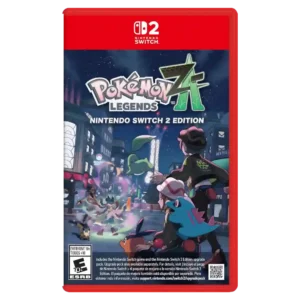
Movement and traversal earned praise when tied to verticality, dodging, and rooftops, but weaker reactions appeared when platforming replaced broader travel options.
Pros: crash stability, gameplay mechanics
Cons: AI behavior, monetization fairness
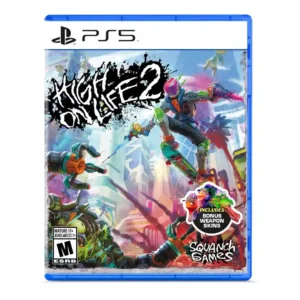
Skateboarding is the standout improvement: fast, fluid, and satisfying in open spaces. Some reviewers still hit jank, sluggish speed, or clumsy behavior in tighter areas.
Pros: tutorial quality, monetization fairness
Cons: polish, HUD clarity
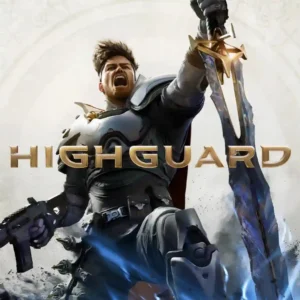
Movement is a standout strength. Sliding, traversal, ziplines, and instant mounts make crossing the battlefield fast and fluid.
Pros: controls responsiveness, level design
Cons: world interactivity, dialogue quality

The bicycle and other traversal tools make getting around much more pleasant, though the distance between home and farm can still feel inconvenient before travel options open up.
Pros: world interactivity, sandbox freedom
Cons: character diversity, character development
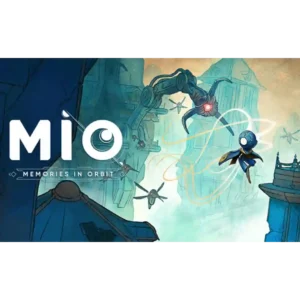
Mio’s jumping, gliding, wall-crawling, dodging, and momentum-driven traversal usually feel fluid and expressive. The main exception is the Hairpin/grapple, which several accounts found inconsistent or awkward under precision pressure.
Pros: level design, content variety
Cons: checkpoint system, lore depth
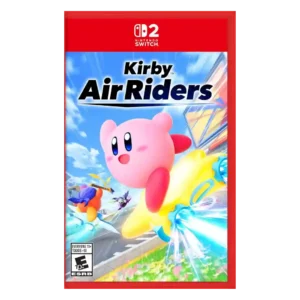
The automatic, high-speed movement impressed many reviewers once understood, though one reviewer felt events could happen faster than intent could catch up.
Pros: flying mechanics, exploration quality
Cons: AI behavior, boss design