Best for lore depth
Tales of Berseria Remastered
5.0 feature score
Highest scored product for this feature based on supporting review evidence.

Highest scored product for this feature based on supporting review evidence.
Balances feature score, supporting reviews, and overall product strength.
Has the broadest review evidence for this feature.
Strongest overall product among items with scored evidence for this feature.
Lore remains a major strength, with factions, cultures, history, languages, and political tensions giving the world a depth that keeps players invested even when other systems falter.
Pros: mission design, sandbox freedom
Cons: movement feel, aiming precision
The story’s moral ambiguity, revenge themes, free-will questions, and philosophical framing give reviewers more to think about than a typical straightforward hero narrative.
Pros: crafting system, content variety
Cons: monetization fairness, endgame content
One review strongly praised Diablo IV as rewarding for lore enthusiasts.
Pros: lore depth, art direction
Cons: mission variety, protagonist appeal

The game digs surprisingly deep into Marvel lore, using lesser-known characters and references that give comic fans plenty of unexpected material to recognize.
Pros: lore depth, originality
Cons: AI behavior, character development
Newspapers, faction histories, political tensions, and character backstories give Mouseburg more substance than its cartoon premise initially suggests.
Pros: lore depth, user interface design
Cons: AI behavior, aiming precision

MyRise's recurring alternate-WWE continuity gives the career mode its own recognizable lore and returning characters, a detail that can make the story world especially rewarding for series regulars.
Pros: lore depth, co-op experience
Cons: economy and resource balance, tutorial quality
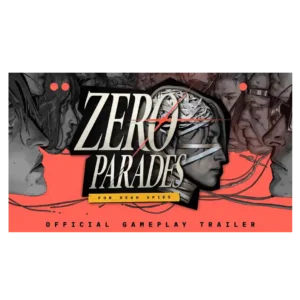
The game builds a dense political and cultural history around Portofiro, its neighboring powers, and the everyday consequences of ideology.
Pros: level design, world interactivity
Cons: performance optimization, menu usability
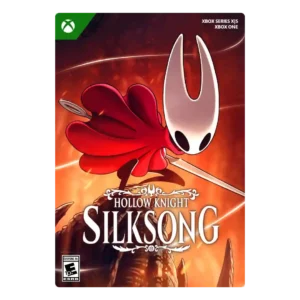
Lore depth is praised for hidden mysteries, optional heritage threads, and deeper history that rewards curiosity.
Pros: core gameplay loop, world interactivity
Cons: loot system, accessibility options
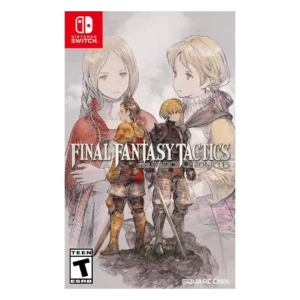
Lore depth was praised through the political themes, State of the Realm, sound novels, and world-history tools.
Pros: emotional impact, polish
Cons: bug frequency, crash stability
The lore is repeatedly described as dense, strange, and rewarding for players willing to read item descriptions and connect environmental clues, even when the main story remains deliberately opaque.
Pros: gameplay mechanics, core gameplay loop
Cons: platforming precision, tutorial quality
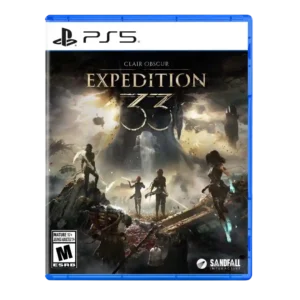
Lore depth was praised through expedition journals, wider history, and an intriguing world.
Pros: monetization fairness, microtransaction impact
Cons: platforming precision, menu usability
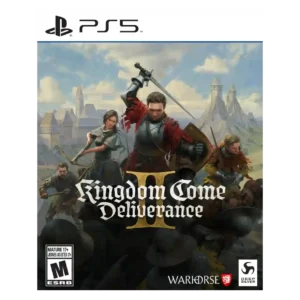
The historical codex and contextual detail were praised for offering extensive background on people, events, and society.
Pros: soundtrack quality, fun factor
Cons: checkpoint system, family friendliness
The Norse premise now has more developed story context, and added lore helps connect the bosses, biomes, and endgame into a more coherent saga.
Pros: core gameplay loop, movement feel
Cons: economy and resource balance, map and navigation design
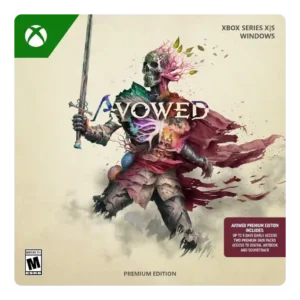
Lore depth was consistently praised, especially the in-game books, history, politics, and reference systems that made Eora feel rich.
Pros: tutorial quality, level design
Cons: stealth mechanics, endgame content
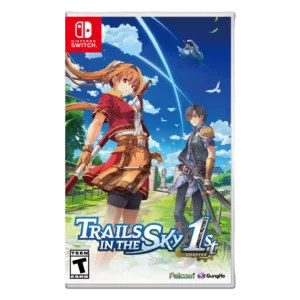
Lore depth was praised for its connected saga, worldbuilding, and long-term setup.
Pros: protagonist appeal, art direction
Cons: camera behavior, tutorial quality
Books, factions, history, Daedric stories, regional politics, and environmental storytelling provide enormous background depth. Engaging with the lore can make quests and locations substantially more meaningful.
Pros: gameplay mechanics, core gameplay loop
Cons: camera behavior, haptic feedback integration
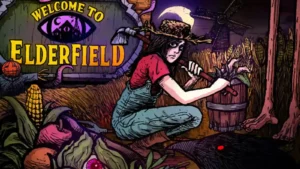
Elderfield is packed with secrets, broadcasts, occult history, hidden areas, and unexplained events. Lore is one of the strongest reasons to keep exploring, though one critic finds parts of it...
Pros: world interactivity, sandbox freedom
Cons: character diversity, character development
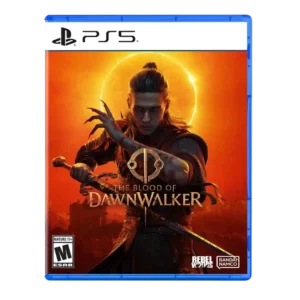
Vale Sangora has rich folklore, character histories, hidden storylines, and regional vampire mythology. Optional exploration and side quests often reveal the most interesting background material.
Pros: puzzle design, sound design
Cons: haptic feedback integration, controls responsiveness
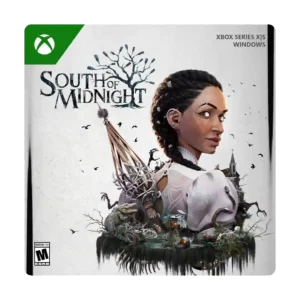
Lore depth was praised for making Southern Gothic worldbuilding feel intriguing and distinctive.
Pros: atmosphere, voice acting
Cons: world interactivity, camera behavior
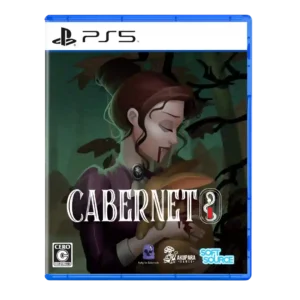
Lore depth was a strong point, with reviewers praising the vampire mythology, folklore, glossary material, and social-commentary roots.
Pros: accessibility options, protagonist appeal
Cons: frame rate stability, polish

Optional lore deepens Logan’s history and trauma, although tying some of it to repetitive challenges makes the storytelling feel fragmented.
Pros: accessibility options, onboarding experience
Cons: mission variety, bug frequency
Lore is introduced at an engaging pace, giving the time-travel story enough mystery and background detail to keep curiosity alive.
Pros: controls responsiveness, world interactivity
Cons: DLC value, platform-specific feature support
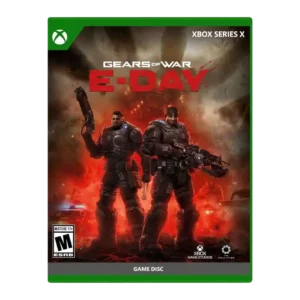
Lore handling earns strong praise for preserving existing history while expanding details around E-Day.
Pros: emotional impact, art direction
Cons: value for money, platform-specific feature support
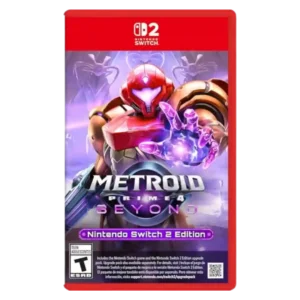
Lore through scanning and Lamorn history was a clear positive for reviewers who valued environmental storytelling.
Pros: world-building, frame rate stability
Cons: companion AI, upgrade system
Japanese myths, legends, readables, collectibles, and side stories give the world substantial optional lore without requiring prior knowledge of the series.
Pros: bug frequency, crash stability
Cons: economy and resource balance, open-world design
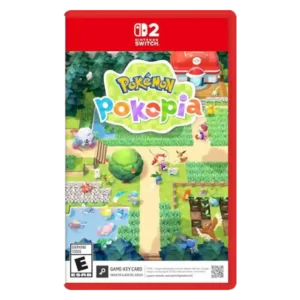
Lore was praised through notes, drops, and mysteries that hinted at what happened to the ruined world.
Pros: protagonist appeal, faithfulness to franchise
Cons: map and navigation design, aiming precision

The denser story material rewards close reading and replay for reviewers who enjoy interpretation. Layers of meaning, notes, and recurring themes leave some players wanting to revisit the game with...
Pros: world interactivity, immersion
Cons: AI behavior, handheld play suitability
The setting has more background depth than the main story initially suggests, with codex entries and environmental details filling in the city's factions and history.
Pros: world interactivity, progression system
Cons: load times, character development
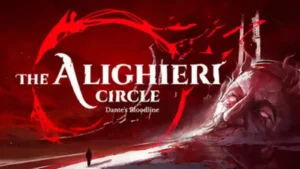
Optional letters and notes make the Alighieri family history more interesting and give the short campaign extra context. Players who read them get a fuller sense of how the curse...
Pros: controls responsiveness, environmental detail
Cons: gameplay mechanics, checkpoint system
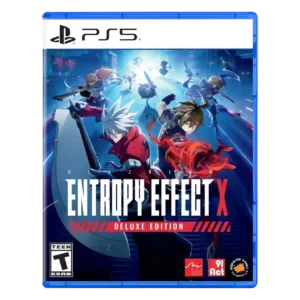
Lore depth gets positive but limited evidence because the story links back through familiar BlazBlue continuity and characters.
Pros: movement feel, skill tree depth
Cons: menu usability, HUD clarity
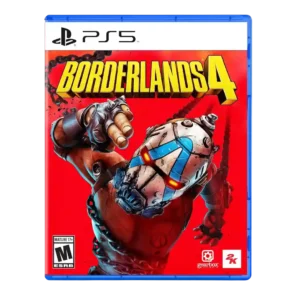
Lore depth receives limited but positive evidence for building on vault and Siren lore.
Pros: sandbox freedom, art direction
Cons: polish, save system reliability

Optional lore can reward risky dialogue choices with extra character context that may change how later situations are understood.
Pros: mission design, upgrade system
Cons: family friendliness, onboarding experience
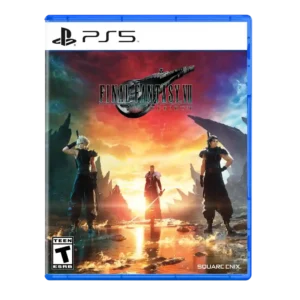
World Intel and regional information are praised for deepening understanding of Final Fantasy VII's world.
Pros: world-building, art direction
Cons: mission design, stealth mechanics
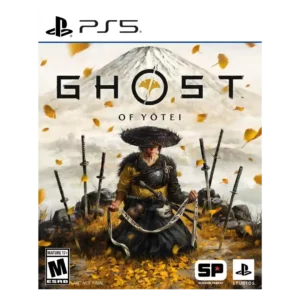
Lore depth receives positive but limited support through mythic tales and storytelling sequences that expand the world’s legends.
Pros: movement feel, environmental detail
Cons: puzzle design, age appropriateness
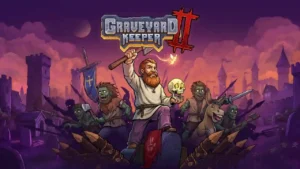
The central mystery gives the story extra depth, especially for players familiar with the original. Connections to the first game make its unanswered questions more intriguing.
Pros: exploration quality, sandbox freedom
Cons: companion AI, protagonist appeal
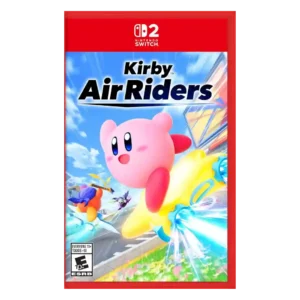
Road Trip's lore was praised as worth experiencing, especially around how Air Riding came to exist.
Pros: flying mechanics, exploration quality
Cons: AI behavior, boss design
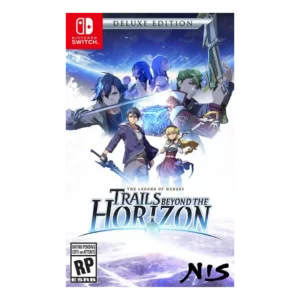
Lore depth was praised for references and details that made the world feel more alive.
Pros: facial animations, polish
Cons: grind level, stealth mechanics
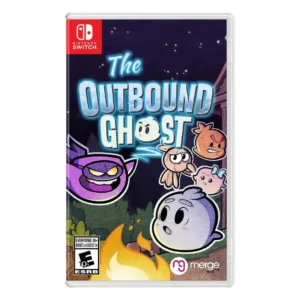
Environmental signs, background details, and scattered clues invite players to reconstruct the town’s history, though the main story leaves many larger questions unresolved.
Pros: progression system, onboarding experience
Cons: mission design, mission variety
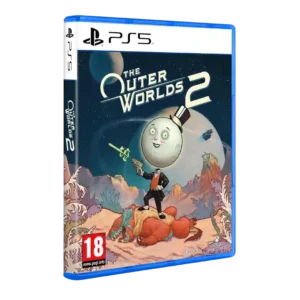
Lore depth was praised where new factions made Arcadia feel deeper and more distinct than the first game.
Pros: world-building, mission design
Cons: mission variety, enemy variety
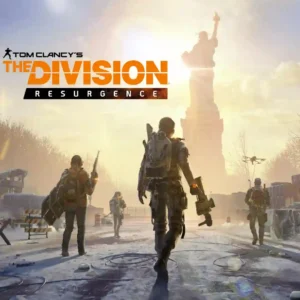
The story fills gaps between earlier games and adds unseen events without requiring newcomers to know the full series history.
Pros: exploration quality, sandbox freedom
Cons: mission variety, companion AI

The story draws heavily on prior Yakuza history and clan relationships, rewarding players who know the earlier games. A recap helps, but the continuity carries more weight with that background.
Pros: controls responsiveness, exploration quality
Cons: QTE design, camera behavior
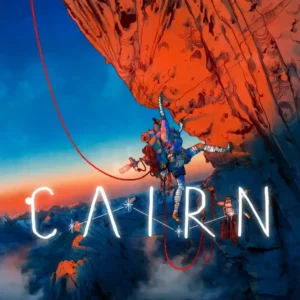
Notes, abandoned camps, fallen climbers, and Troglodyte remnants give the mountain a layered history that makes optional exploration feel meaningful rather than decorative.
Pros: open-world design, visual effects quality
Cons: frame rate stability, user interface design
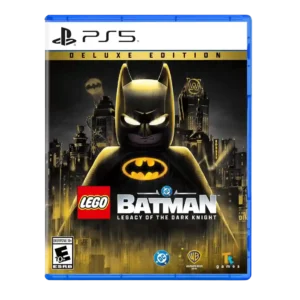
Lore depth is praised through Batman references, familiar pieces reworked in new ways, and appeal to diehard Batman fans.
Pros: pacing, core gameplay loop
Cons: companion AI, map and navigation design
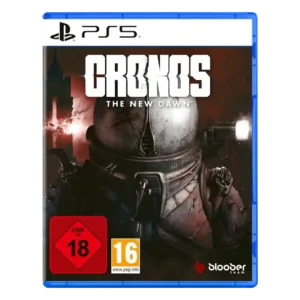
Lore depth was praised by reviewers who enjoyed piecing together codex entries, worldbuilding, and background clues.
Pros: core gameplay loop, emotional impact
Cons: checkpoint system, bug frequency
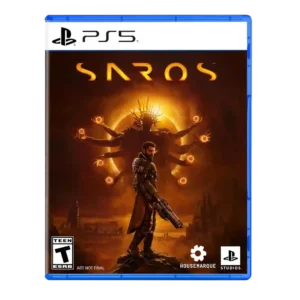
Lore depth was praised where reviewers enjoyed logs, mysteries, and hidden material that encouraged deeper digging.
Pros: value for money, fun factor
Cons: map and navigation design, side character depth
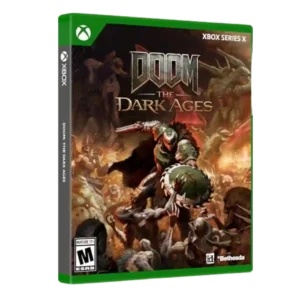
Lore depth was praised where codex material and broader Doom world-building were assessed directly.
Pros: environmental detail, polish
Cons: camera behavior, value for money
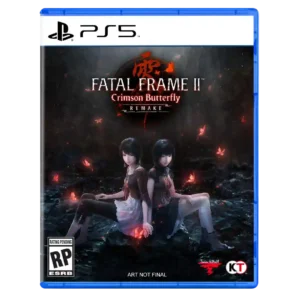
Journals, spirit traces, side stories, and new locations deepen the village’s ritual history and make its ghosts more tragic and memorable.
Pros: writing quality, checkpoint system
Cons: bug frequency, HUD clarity
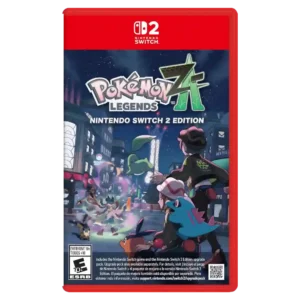
Lore depth was praised when reviews connected Z-A to X/Y, Sinnoh-style mythology, or franchise history.
Pros: crash stability, gameplay mechanics
Cons: AI behavior, monetization fairness
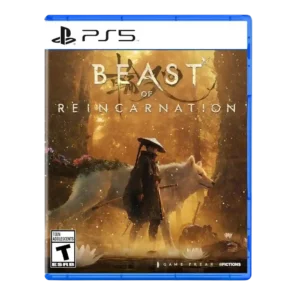
Playable flashbacks and hints about the blight, golems, and social hierarchy add useful background. The lore appears promising, but previews only reveal enough to suggest depth rather than confirm it.
Pros: soundtrack quality, value for money
Cons: onboarding experience, aiming precision
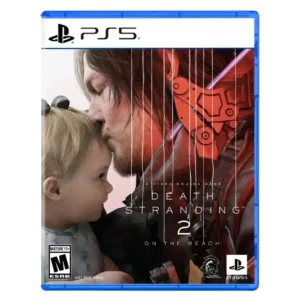
Lore support and depth are praised through the Corpus encyclopedia, which helps handle the dense terminology and proper nouns.
Pros: animation quality, facial animations
Cons: quest design, AI behavior