Best for enemy variety
Elden Ring: Tarnished Edition
5.0 feature score
Highest scored product for this feature based on supporting review evidence.

Highest scored product for this feature based on supporting review evidence.
Balances feature score, supporting reviews, and overall product strength.
Has the broadest review evidence for this feature.
Strongest overall product among items with scored evidence for this feature.

The breadth of creatures is praised as staggering, helping exploration stay surprising across a very large world.
Pros: gameplay mechanics, core gameplay loop
Cons: platforming precision, tutorial quality
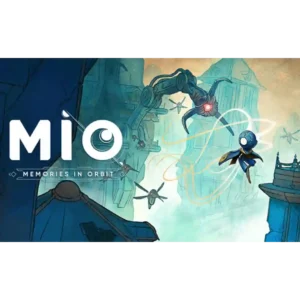
The enemy lineup is praised for having a genuinely impressive range of distinct types, helping regular encounters feel broader than the simple core combat system might suggest.
Pros: level design, content variety
Cons: checkpoint system, lore depth

The broad range of colorful ghostly apparitions stays visually distinct across regions and gives the bestiary plenty of personality.
Pros: progression system, onboarding experience
Cons: mission design, mission variety
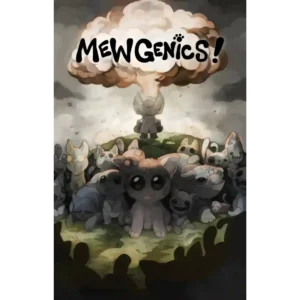
Enemy variety is exceptional, with large numbers of visually and mechanically distinct foes that demand different responses. Reviewers frequently mention still meeting new threats deep into lengthy playtimes.
Pros: level design, exploration quality
Cons: age appropriateness, family friendliness
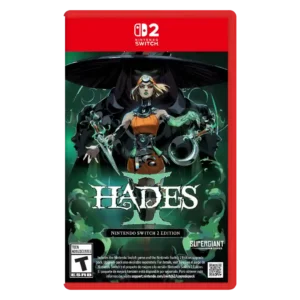
Enemy variety is praised in the review that highlights a new roster demanding quick understanding of Melinoë's tools.
Pros: skill tree depth, dialogue quality
Cons: emotional impact, economy and resource balance
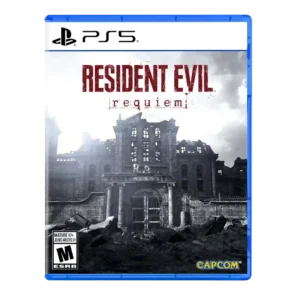
Enemy variety was praised through zombies with different retained behaviors and personalities.
Pros: driving mechanics, protagonist appeal
Cons: platform-specific feature support, checkpoint system
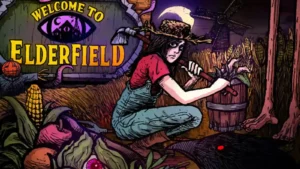
The game features many unusual monsters and distinctive enemy concepts, helping repeated exploration and combat retain a strong horror identity.
Pros: world interactivity, sandbox freedom
Cons: character diversity, character development
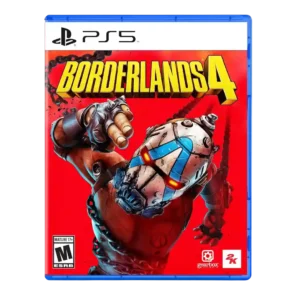
Enemy variety is praised across reviews for distinct factions, modifiers, new enemy types, and encounters that force tactical adjustments.
Pros: sandbox freedom, art direction
Cons: polish, save system reliability

Enemy variety is a consistent combat strength, with distinct visual designs, behaviors, and world-specific opponents keeping encounters interesting.
Pros: mission design, world interactivity
Cons: emotional impact, exploration quality

Enemy variety is a strength, with reviewers praising the range of ninjas, soldiers, monsters, bosses, and specialized foes that shape encounters.
Pros: graphics quality, environmental detail
Cons: bug frequency, dialogue quality
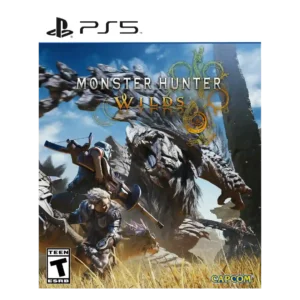
Enemy variety was highly praised, with reviewers emphasizing strange new creatures, diverse silhouettes, and a memorable monster cast.
Pros: art direction, cross-play support
Cons: dialogue quality, monetization fairness
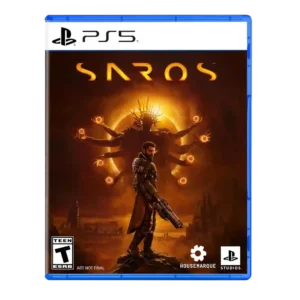
Enemy variety was praised for diverse, escalating, and biome-changing threats that keep combat fresh.
Pros: value for money, fun factor
Cons: map and navigation design, side character depth
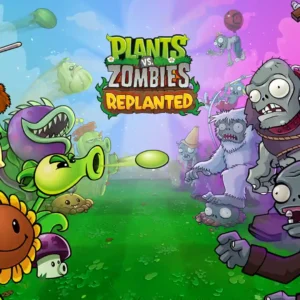
The steady introduction of specialized zombies remains one of the design’s strongest teaching tools. Different armor, movement, and lane threats keep forcing changes to plant selection and defensive layouts.
Pros: age appropriateness, family friendliness
Cons: competitive balance, level design

Enemy variety in World Tour was praised for teaching matchups and adding amusing oddball opponents.
Pros: movement feel, art direction
Cons: platforming precision, writing quality
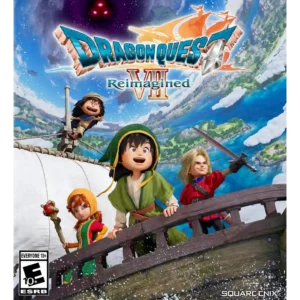
The monster roster retains Dragon Quest’s playful personality, with encounters ranging from iconic to delightfully strange.
Pros: atmosphere, voice acting
Cons: controls responsiveness, quest design

Distinct enemy types and mechanics help fights evolve as the story escalates. The variety is not enormous, but tougher groups introduce useful changes to the basic brawling rhythm.
Pros: controls responsiveness, exploration quality
Cons: QTE design, camera behavior
Enemy variety was broadly praised for unique patterns, designs, and combat behaviors, though one review saw repetition in late-game enemy attacks.
Pros: monetization fairness, microtransaction impact
Cons: platforming precision, menu usability
Enemy variety was usually positive, with several reviewers praising distinct foes, while one found variety lacking.
Pros: mission design, world interactivity
Cons: quest design, endgame content
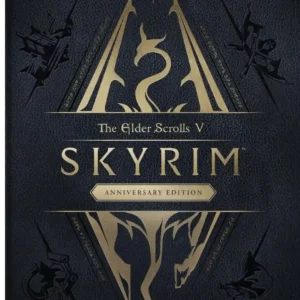
Many sources enjoy the mix of dragons, undead, creatures, bandits, and fantasy enemies, with some praising the designs strongly. A later perspective argues the underlying enemy mechanics become limited and...
Pros: gameplay mechanics, core gameplay loop
Cons: camera behavior, haptic feedback integration
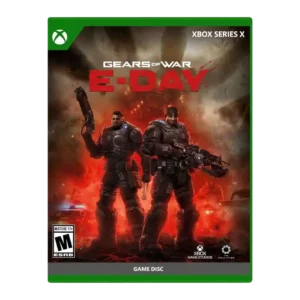
Enemy presentation is praised, especially the updated Reavers, Seeders, Boomers, and scarier Locust designs.
Pros: emotional impact, art direction
Cons: value for money, platform-specific feature support
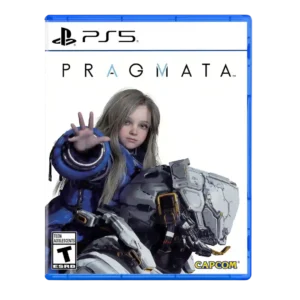
Enemy variety is mostly strong, with different robot types and threats keeping combat fresh, though a few reviewers wanted more bots or bosses.
Pros: bug frequency, user interface design
Cons: HUD clarity, mission design
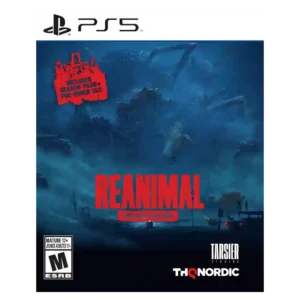
Enemy variety is usually praised for grotesque, inventive nightmare-fuel designs, though one review criticized unbalanced screen time for a human-like enemy.
Pros: onboarding experience, environmental detail
Cons: family friendliness, movement feel
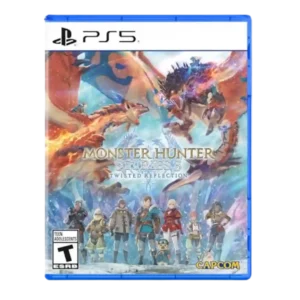
The monster roster is large and packed with recognizable favorites and new variants, though a few players still noticed repeated-looking species or omissions.
Pros: puzzle design, level design
Cons: crash stability, multiplayer design
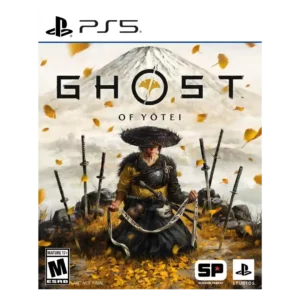
Enemy variety is positively noted through more weapon matchups, multiple factions, and a better range of enemies than before.
Pros: movement feel, environmental detail
Cons: puzzle design, age appropriateness
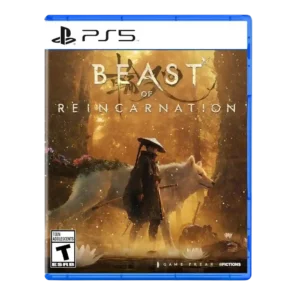
Early zones combine corrupted animals, mechanical golems, flying threats, armored enemies, and giant Nushi. The mix supports different combat responses, although long-term variety is still uncertain.
Pros: soundtrack quality, value for money
Cons: onboarding experience, aiming precision
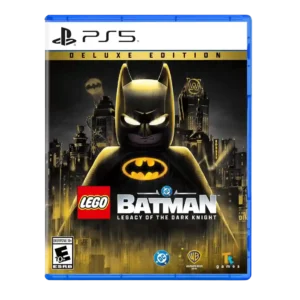
Enemy variety has positive early evidence, with different enemy types forcing smarter combat decisions.
Pros: pacing, core gameplay loop
Cons: companion AI, map and navigation design
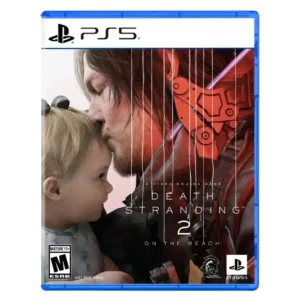
Enemy variety is mostly praised for new forms and loadouts, but at least one review felt bandits and BTs were too familiar.
Pros: animation quality, facial animations
Cons: quest design, AI behavior
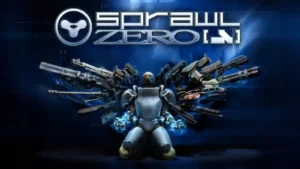
Enemy variety is generally strong, with snipers, shielded heavies, drones, melee threats, and other specialists forcing different responses. A few sections still feel repetitive when familiar foes dominate.
Pros: world interactivity, progression system
Cons: load times, character development
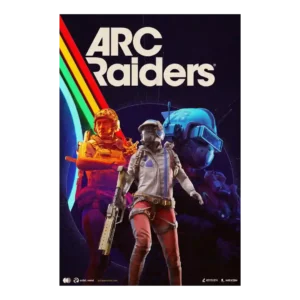
Most reviews praised the range and threat of Arc machines, though one review found the enemy designs repetitive and unimaginative.
Pros: frame rate stability, platform-specific feature support
Cons: voice acting, writing quality
Enemy variety is strong in scope, but evidence is mixed because flying enemies, monster rooms, and certain mobs can feel annoying.
Pros: core gameplay loop, world interactivity
Cons: loot system, accessibility options
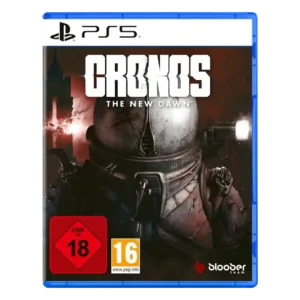
Enemy variety was usually viewed positively thanks to different Orphan forms and behaviors, though a few reviewers thought designs could feel samey.
Pros: core gameplay loop, emotional impact
Cons: checkpoint system, bug frequency
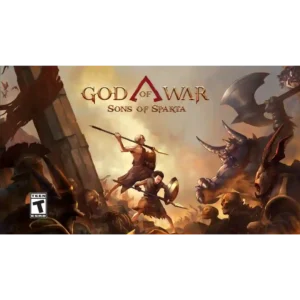
The mythological bestiary is generally strong, with recognizable creatures and steady additions across biomes, although some reviewers note reskins and repetitive regular encounters.
Pros: accessibility options, checkpoint system
Cons: economy and resource balance, AI behavior
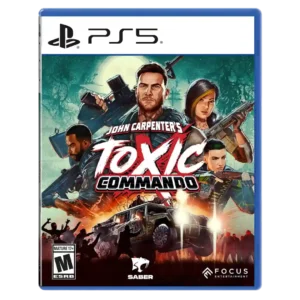
Special enemies keep fights readable and dangerous, but opinions split on originality; several reviewers call the roster effective yet familiar compared with other horde shooters.
Pros: gameplay mechanics, boss design
Cons: age appropriateness, family friendliness
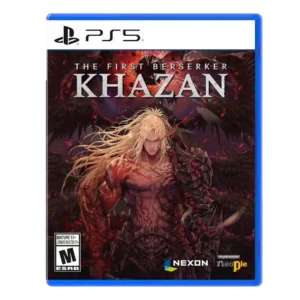
Enemy variety is usually praised as sizable and fresh, though a few reviews still complain about samey enemies.
Pros: core gameplay loop, controls responsiveness
Cons: mission design, learning curve
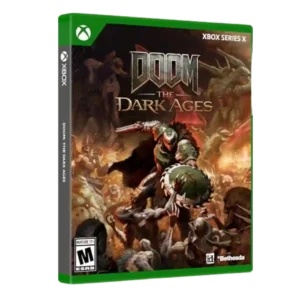
Enemy variety was generally positive, with many demons and variants noted, though one reviewer found some repetition.
Pros: environmental detail, polish
Cons: camera behavior, value for money
Enemy variety is strong overall and improves in the Deep North, though some late-game creatures feel recycled rather than genuinely new.
Pros: core gameplay loop, movement feel
Cons: economy and resource balance, map and navigation design

The campaign's hallucinatory setup allows for unusual enemy types and boss encounters, giving Black Ops 7 more variety than a strictly grounded military shooter.
Pros: soundtrack quality, load times
Cons: character development, monetization fairness
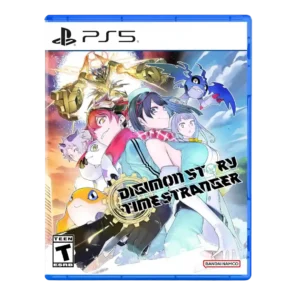
Enemy variety was praised for changing weaknesses and resistances enough to keep battles from feeling stale.
Pros: atmosphere, world-building
Cons: HUD clarity, fast travel convenience
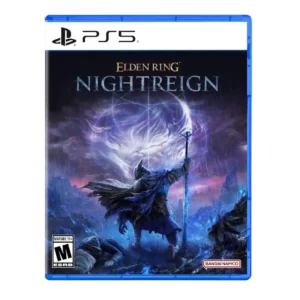
Enemy variety was praised by one reviewer as a balanced mix of new final bosses and familiar mini-bosses.
Pros: emotional impact, visual effects quality
Cons: crash stability, cross-play support
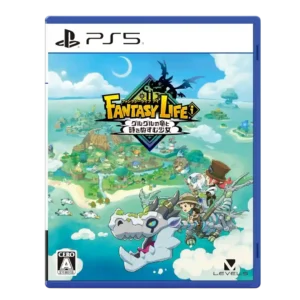
Enemy variety is praised for supporting the combat's otherwise simple systems.
Pros: load times, crash stability
Cons: originality, voice acting
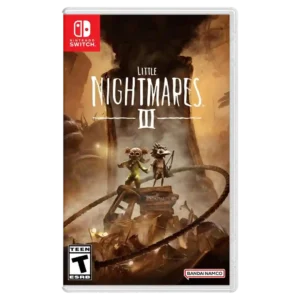
Enemy variety received limited positive evidence, with one reviewer simply finding the monsters scary.
Pros: load times, haptic feedback integration
Cons: save system reliability, aiming precision

Enemy variety received positive evidence when opponents felt less one-note than traditional type-specialist teams.
Pros: crash stability, gameplay mechanics
Cons: AI behavior, monetization fairness
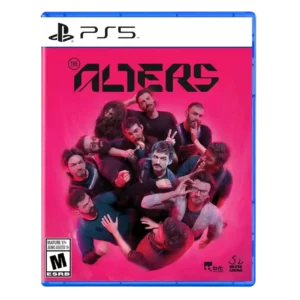
Enemy or hazard variety had limited but positive evidence, with anomaly variants helping keep exploration tense.
Pros: controls responsiveness, onboarding experience
Cons: crash stability, grind level
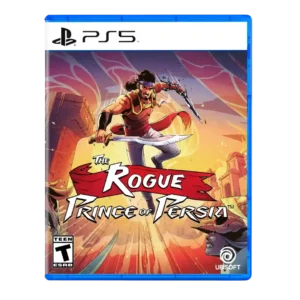
Enemy variety was often praised for distinct types and readable design, but some reviews found repeated enemies visually or mechanically familiar.
Pros: crash stability, HUD clarity
Cons: character development, visual effects quality
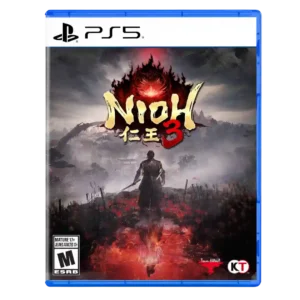
Enemy variety was divisive, ranging from praise for a huge monster lineup to criticism of recycled or repetitive foes.
Pros: pacing, visual effects quality
Cons: tutorial quality, character roster
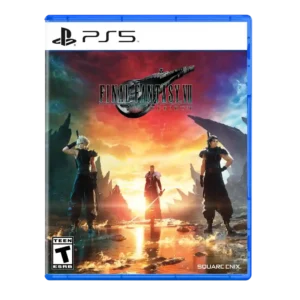
Enemy variety is praised in combat-focused reviews, though one reviewer found open-world mobs bland and rote.
Pros: world-building, art direction
Cons: mission design, stealth mechanics
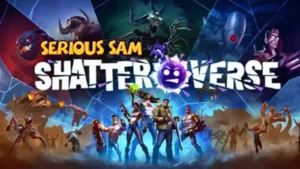
The roster itself is often praised for mixing classics with newcomers, but some feel enemy roles blur together and lose the distinct behaviors that once made the hordes memorable.
Pros: skill tree depth, learning curve
Cons: aiming precision, pacing
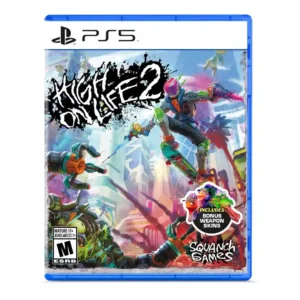
The sequel introduces a broader mix of enemies than the original, but variety does not always translate into smarter or more engaging fights.
Pros: tutorial quality, monetization fairness
Cons: polish, HUD clarity
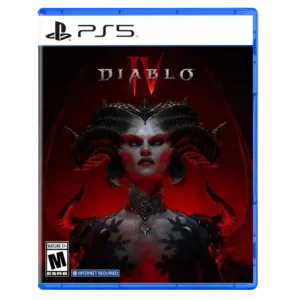
Enemy variety was mixed: one expansion review praised a cohesive new bestiary, while base-game reviews noticed repeated enemies or simple mechanics.
Pros: lore depth, art direction
Cons: mission variety, protagonist appeal

Enemy variety receives mixed feedback: some reviewers enjoy the range of encounters and memorable foes, while others feel the regular enemy pool becomes repetitive.
Pros: gameplay mechanics, world-building
Cons: AI behavior, platform-specific feature support